 Μake us preferred on Google
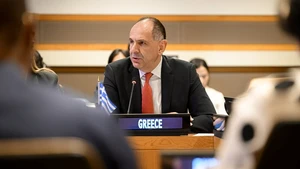
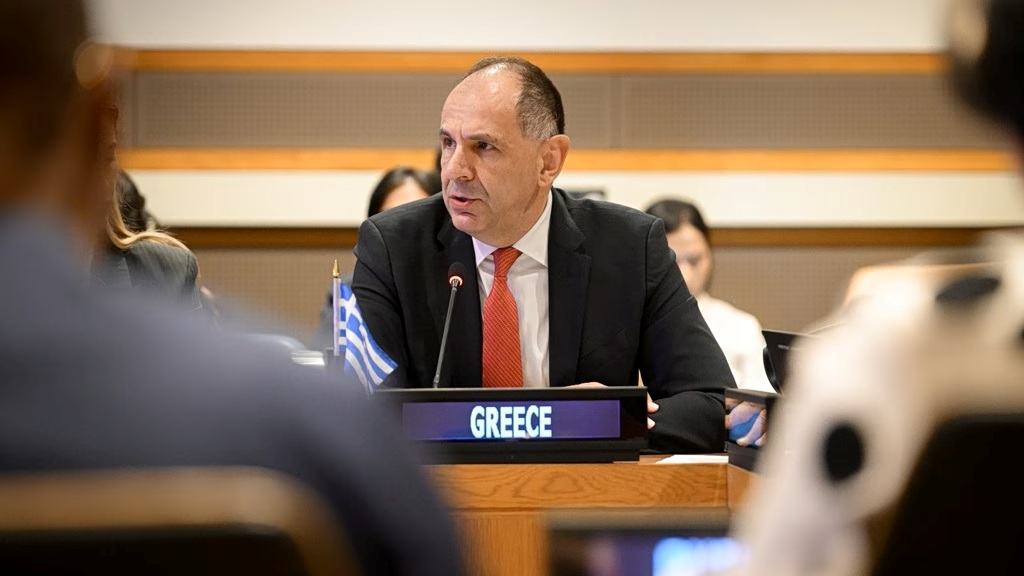
Greek Foreign Minister George Gerapetritis warned that Greece would not tolerate violations of international law in maritime zones, declaring that the seas must not become territory that countries can bargain over or compete to claim.
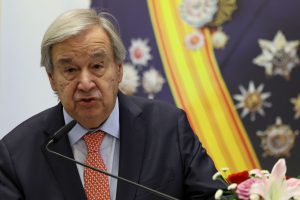
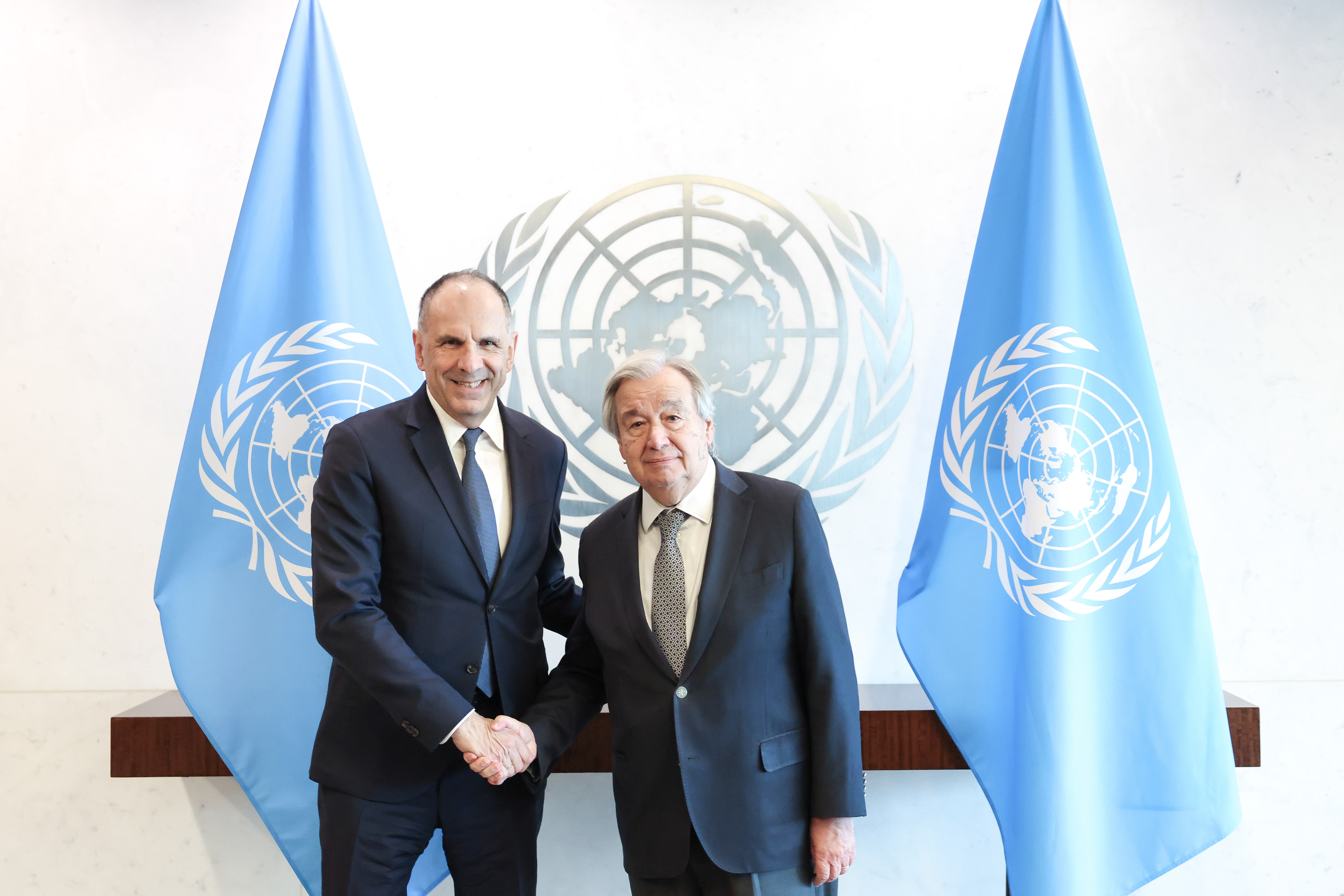
Speaking in New York on October 28 after meeting United Nations Secretary-General António Guterres, Gerapetritis stressed that disputes over maritime boundaries must be resolved under international law. He also underscored Greece’s close relationship with Egypt, particularly in opposition to the Turkey-Libya maritime memorandum, which Athens considers illegal and without legal basis.
The talks also covered the conflicts in Ukraine, the Middle East and Africa, the need to address global energy and food crises, and efforts to restart substantive negotiations on the Cyprus issue.
Greece insists maritime disputes must follow international law
“The seas do not belong to anyone as private property, nor are they a field for competitive bidding,” Gerapetritis said, emphasizing that maritime boundaries cannot be determined without regard to international rules.
He argued that neighboring countries must respect the rules governing their maritime relations, describing adherence to the international law of the sea as essential to peace and prosperity.
“Greece will not tolerate any illegality concerning maritime zones,” he said. Athens, he added, would continue to regard international law as the only means of resolving disputes.
Gerapetritis stressed that neighboring countries should work together to settle their differences, but said this did not mean Greece could accept actions that are aggressive or contrary to international law.
Athens highlights strategic ties with Egypt
Asked about reports that Turkey was seeking to win Egypt over through financial or other inducements, following developments involving Libyan military commander Khalifa Haftar, Gerapetritis pointed to what he described as the strong, strategic and brotherly relationship between Greece and Egypt.
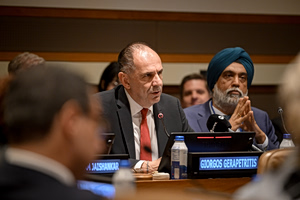
He noted that Egypt’s permanent representative to the United Nations had stood alongside him in New York when the two countries announced a statement concerning the Turkey-Libya maritime memorandum.
Greece and Egypt, he said, share a commitment to the universal application of international law. Maritime zones must be governed by legal principles rather than treated as assets to be negotiated or traded, he added.
Failure to uphold those principles could have serious consequences beyond the Mediterranean region, affecting global trade, food security, energy security and the protection of the oceans, Gerapetritis warned.
Gerapetritis calls for renewed negotiations on Cyprus
In his meeting with Guterres, Gerapetritis also raised the Cyprus issue, arguing that conditions were in place to begin more formal discussions on its substance.
He urged the parties not to lose the momentum built during Guterres’ tenure as UN secretary-general and called for efforts to advance negotiations aimed at reunifying the island.
Resolutions adopted by the UN Security Council, he said, remain binding points of reference and must be respected by all sides.
Greek minister warns of global crisis
Gerapetritis described the current international situation as one of the most critical turning points for global peace and prosperity since World War II.
His discussions with Guterres covered the wars and crises affecting Ukraine, the Middle East and Africa. He called for decisive action to de-escalate conflicts, end wars and address the energy and food crises so that people around the world could live and work peacefully.
He also stressed the importance of preserving the United Nations’ central role in promoting international peace. Established after World War II to prevent another large-scale conflict and encourage peaceful relations among nations, the organization must remain at the forefront of efforts to resolve disputes, he said.
Gerapetritis described the peaceful settlement of international differences as one of the most important achievements of the postwar era.