
 Μake us preferred on Google
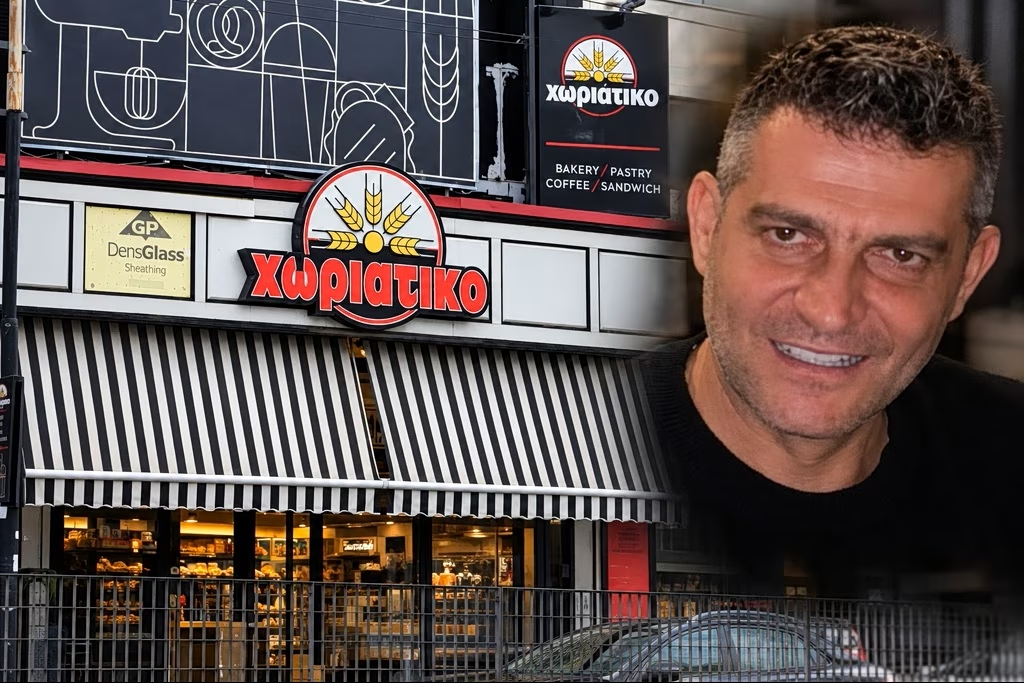
One hundred forty-nine individuals, thirteen names of foreign nationals who appeared as “straw men” but turned out not to be real people, 520 bank accounts belonging to 320 beneficiaries, a complex network of companies, accounts in many foreign countries and many unanswered questions about the role of public officials whose identities are not yet known. All of this is described in the 700-page case file compiled by the so-called “Greek FBI” on the case involving the bakery chain “Horiatiko.”
Starting today, the 59 defendants begin a marathon round of testimony, appearing in groups before three different investigating judges.
However, attention is now turning to the investigation of evidence showing that those involved in the case had significant access and connections within the state apparatus, with close ties to EFKA (the social security agency), the Labor Inspectorate, municipal authorities, the Police and other public services.
According to information, the massive case file in the large-scale tax fraud of businessman Angelos Giannakopoulos (“Choriatiko” and other businesses) contains serious indications of close relationships with state officials who covered up, facilitated and took part in the illegal activities. These included tax fraud, money laundering, preferential treatment in tenders for beaches and other activities on Rhodes and Mykonos.
What the Conversations Revealed About Those Involved in “Choriatiko”
Specifically, the conversations recorded through police surveillance and included in the case file show, among other things, that:
A police officer had contacts with people involved in the major tax fraud and was in constant communication with them about the operation of a strip club in Athens. The investigation found that the club belonged to the complex corporate structures controlled by Angelos Giannakopoulos.
A public servant gave the ring advance notice of administrative decisions and upcoming tender procedures. The same public official also allegedly gave guidance on preparing documents and on how the companies could return to the procedures for leasing public property after they were initially excluded. His contacts were with a person involved in the case who appeared, from time to time, as a representative of the companies controlled by Giannakopoulos.
The file also mentions contacts with a mayor who met with a person involved in the case. That person was found in possession of a confidential document from the National Transparency Authority, addressed to the mayor, concerning one aspect of the large tax fraud (and not only tax fraud).
According to information from the relevant authorities, the investigation into the involvement of state employees is continuing intensively, conducted by both the police and the Anti-Money Laundering Authority. The Authority has taken part in the investigation into the major tax fraud from the very beginning, and its role is considered crucial for uncovering still-unknown aspects of the case.
As for the defendants’ pretrial status, the investigating judge and the prosecutor will decide after all testimony has been completed.