 Μake us preferred on Google
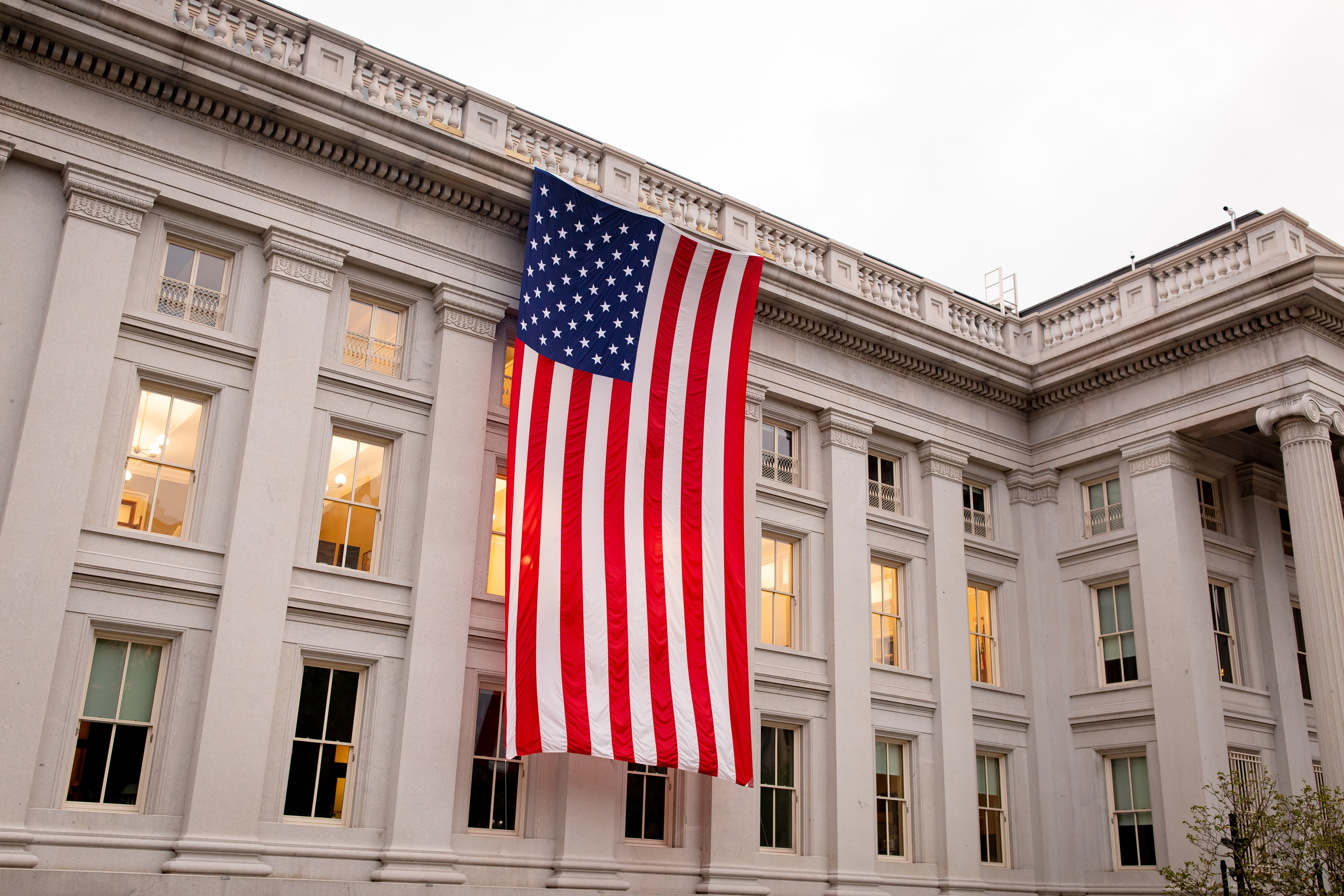
The wording of two U.S. State Department statements on the Turkey-Libya maritime memorandum has drawn attention to the role of diplomacy in shaping Washington’s position on a dispute with implications for the Eastern Mediterranean.
The first statement, issued October 21 after Libya’s House of Representatives ratified the agreement, urged Greece and Turkey to resolve their maritime differences through negotiations. It did not explicitly criticize the memorandum, prompting dissatisfaction in Athens.
Four days later, the State Department issued a revised statement that described the ratification as a “non-constructive and provocative development” that had increased regional tensions, adding that the U.S. position had not changed.
According to a report by Greek news outlet in.gr, the revision followed coordinated efforts by the Greek Embassy in Washington and the U.S. Embassy in Athens. The change restored language that Greek diplomats considered important to Washington’s position on the agreement.
Two statements, a significant change in wording
The October 21 statement called on the United States’ partners in the Eastern Mediterranean to resolve maritime disputes through good-faith negotiations. It said resolving maritime issues would serve the interests of all parties and create opportunities for trade, investment and exploration across the Mediterranean.
It also noted that Greece and Turkey are both NATO allies and encouraged them to engage in bilateral discussions to address their differences.
The statement was widely viewed in Athens as an insufficient response to Libya’s ratification of the Turkey-Libya memorandum.
In the October 25 revision, the State Department explicitly linked the ratification to rising regional tensions, calling it a “non-constructive and provocative development.” It also urged all countries, including U.S. partners in the Eastern Mediterranean, to negotiate maritime disputes in good faith and avoid provocative behavior.
The revised statement retained the call for dialogue between Greece and Turkey and the argument that peaceful resolution of maritime disputes would create opportunities for commercial investment and exploration.
The emphasis on bilateral dialogue remained consistent with Washington’s longstanding position on Greek-Turkish relations. The restoration of the stronger language on the Turkey-Libya agreement, however, was considered particularly significant by diplomats because it echoed the wording used by the United States in 2019.
Greek and U.S. embassies worked to secure the revision
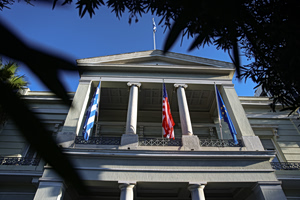
According to in.gr, the change was not automatic. It followed efforts by the Greek Embassy in Washington, led by Ambassador Antonis Alexandridis, in coordination with the U.S. Embassy in Athens.
Josh Huck, the U.S. chargé d’affaires who took over leadership of the American diplomatic mission following Kimberly Guilfoyle’s departure, also worked with his Greek counterpart to address the issue.
The report said Greek officials emphasized that the memorandum affected not only Greece’s interests but also broader U.S. strategic interests in the region.
Those interests include American energy companies Chevron and ExxonMobil, which are present in exploration blocks south and southwest of Crete, as well as the role of Souda Bay in supporting U.S. military operations and other activities.
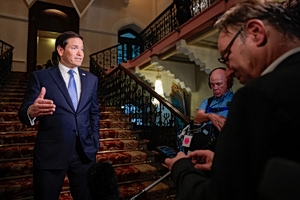
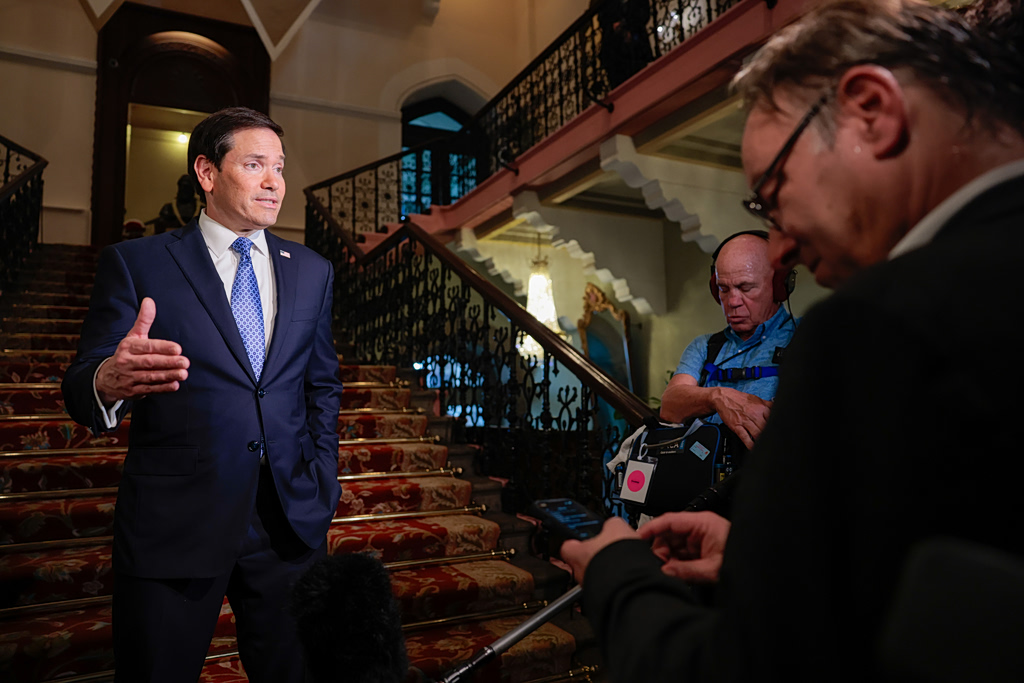
The Greek-American Leadership Council (HALC) also contributed to the effort by sending a letter to U.S. Secretary of State Marco Rubio. Rubio had recently visited Athens for the Greece-U.S. Strategic Dialogue and delivered a speech at the Pnyx, the historic site associated with ancient Athenian democracy.
The revised wording thus addressed concerns in Athens while reaffirming a U.S. position that Greek officials considered relevant to the broader strategic partnership between the two countries.
Athens steps up diplomatic response
The Greek government also pursued the issue through European and international diplomatic channels after Libya’s House of Representatives ratified the memorandum.
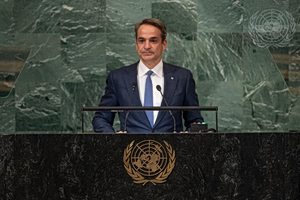
Foreign Minister George Gerapetritis faced criticism from opposition parties over the handling of the development. Greek diplomacy subsequently sought public statements of support from European partners, raised the issue at the United Nations Security Council and sent a letter to the United Nations formally recording Greece’s objections.
Gerapetritis also announced a joint statement by Greece, Cyprus, Egypt, the United Arab Emirates, Bahrain and the European Union condemning the Turkey-Libya memorandum at the United Nations headquarters in New York.
The statement said Libya’s recent ratification of the 2019 memorandum raised serious concerns about regional security and stability. It also warned that bilateral agreements should not undermine established rules of international law or infringe on the rights of third countries.
It identified the United Nations Convention on the Law of the Sea (UNCLOS), alongside customary international law, as the legal framework governing maritime delimitation.
Accepting bilateral agreements that disregard applicable international rules, the statement argued, would set a dangerous precedent and weaken the international legal order and the principles underpinning the peaceful settlement of disputes.
It further maintained that the Turkey-Libya memorandum disregarded geographical realities and the maritime rights of other coastal states, including the rights of islands under UNCLOS. Libya’s ratification, it said, did not change that legal position.
Greece and Egypt prepare further maritime talks
Greece and Egypt have also announced that they will begin negotiations to extend the partial delimitation of their exclusive economic zones, which the two countries agreed upon in 2020.
The move follows Libya’s ratification of the Turkey-Libya memorandum and forms part of the diplomatic response to the latest development.
Together, the efforts at the State Department, the United Nations and through regional partnerships highlight the importance Athens places on the memorandum’s implications for maritime rights and regional stability.