 Μake us preferred on Google
European Union agriculture ministers reached a political agreement Tuesday evening on the regulatory framework for the Common Agricultural Policy (CAP) for 2028-2034, setting the direction for how the bloc’s agricultural support system will operate in the coming years.
The agreement establishes rules for implementing the policy, including its organization, funding procedures and eligibility criteria, as well as its main political priorities. It does not determine the overall level of funding, which will be addressed separately.
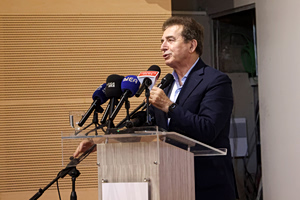
Greek Minister of Rural Development and Food Margaritis Schinas described the agreement as an important step following difficult negotiations among member states with differing positions.
“We managed to establish a framework that preserves the main instruments for farmers’ income support and achieves a meaningful balance between the common European character of the CAP and the necessary flexibility for member states,” Schinas said.
More flexibility for national agricultural policies
Under the agreement, some interventions will become less mandatory, giving EU countries greater freedom to adapt support measures to their agricultural needs.
The framework also strengthens opportunities to support farmers engaged in genuine agricultural activity, young farmers and small-scale producers. It also expands the tools available to address risks and crises affecting the agricultural sector.
For Greece, the increased flexibility is particularly relevant because of the country’s varied production conditions, the needs of smaller farms and the specific challenges faced by mountainous and island communities.
“This provides a meaningful opportunity for the new CAP to respond better to the realities of Greek agriculture and strengthen its competitiveness and sustainability,” Schinas said.
The agreement reached by ministers now clears the way for negotiations with the European Parliament, which are expected to help improve the effectiveness of the new policy. The aim is to finalize the framework as soon as possible during Lithuania’s upcoming presidency of the Council of the EU.
What the proposed funding includes
Although the ministers’ agreement concerns the rules governing the CAP rather than its budget, the European Commission’s existing proposal sets out several funding provisions for the next period.
These include a dedicated minimum of €293.7 billion for farmers’ income support and a requirement that at least 10% of unallocated resources under the National and Regional Partnership Plans be directed toward rural development.
The proposal also includes an additional crisis-response funding instrument, known as the Unity Safety Net, intended to address disruptions in agricultural markets.
Further funding opportunities remain possible and will be specified during negotiations on the new program.
Schinas said Greece would continue to seek the maximum possible funding for a strong, genuinely common and adequately financed CAP. He said the policy should protect farmers’ incomes, improve the competitiveness of Greek agriculture and support the future of rural communities.
European Parliament negotiations to follow
The agreement reached by agriculture ministers will now be discussed with the European Parliament before the new CAP framework can be finalized.
The negotiations will determine the final form of the policy for 2028-2034, while the overall funding arrangements remain a separate issue.