
 Μake us preferred on Google
 Yemen’s Iran-aligned Houthi movement announced a naval blockade against Saudi Arabia on Monday, threatening to widen the regional conflict and create new risks for global energy supplies and shipping routes.
The declaration came amid escalating tensions in the wider U.S.-Iran war, with attacks continuing across the region and diplomatic efforts underway to prevent further expansion of the conflict.
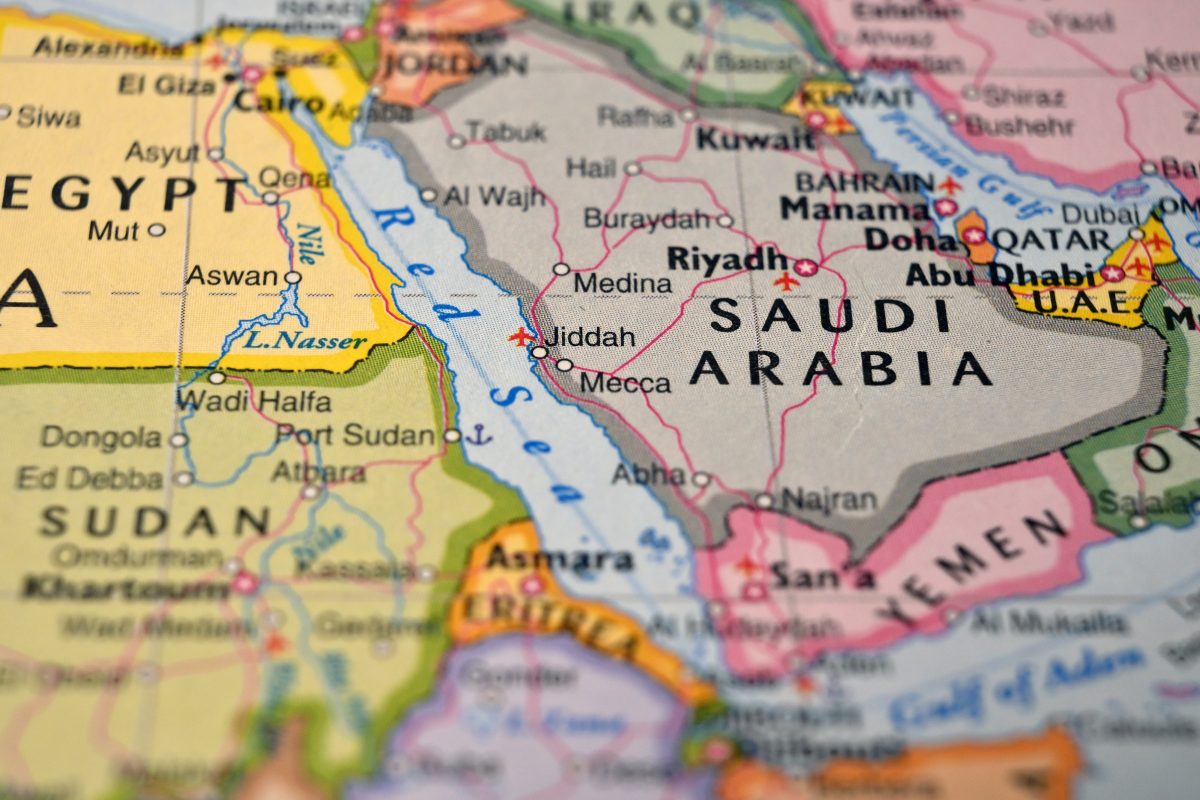
The Houthis said they were imposing a “maritime embargo” on Saudi Arabia in response to what they described as an ongoing siege of Yemen. The move immediately raised concerns over shipping through the Bab el-Mandeb Strait, a critical waterway connecting the Red Sea with the Gulf of Aden and a major route for international trade.
The Saudi-led coalition in Yemen said it would respond to the threat with force and had begun implementing protective measures for ships travelling through the strait, which has become increasingly important after disruption to traffic through the Strait of Hormuz.
A complete closure of the Bab el-Mandeb passage could significantly affect global oil supplies, as much of Saudi Arabia’s exports depend on maritime routes in the region. The conflict has already reduced energy flows, while shipping insurers increased costs for vessels operating in the Red Sea due to rising security risks.
Oil prices briefly climbed after the Houthi announcement before easing as traders remained hopeful that diplomatic efforts could lead to a breakthrough.
Diplomatic efforts continue
The blockade announcement came despite signs that Washington and Tehran were seeking renewed negotiations to halt a cycle of military strikes that has damaged a fragile interim agreement reached last month.
A senior Iranian official said Tehran had received a proposal from mediators for a 10-day ceasefire aimed at preserving the agreement and creating a path toward a longer-term settlement.
Iran’s Foreign Ministry said mediators had presented proposals to Tehran but provided no details. Separately, Pakistani officials said Iran’s interior minister had asked Islamabad to resume its mediation role and later arrived in the country for further talks.
Regional attacks intensify
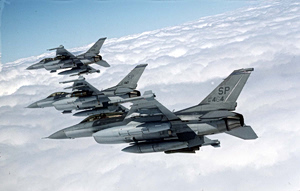
The latest escalation followed another series of U.S. strikes on Iranian targets and Iranian attacks on U.S. military positions across the region.
The Pentagon said two U.S. soldiers were killed when Iran attacked an American base in Jordan, while unidentified remains believed to belong to another missing service member were also found. A fourth U.S. service member was killed in northern Iraq during the controlled detonation of unexploded ordnance from an Iranian drone.
U.S. President Donald Trump defended continued strikes on Iran, saying American deaths would be met with retaliation.
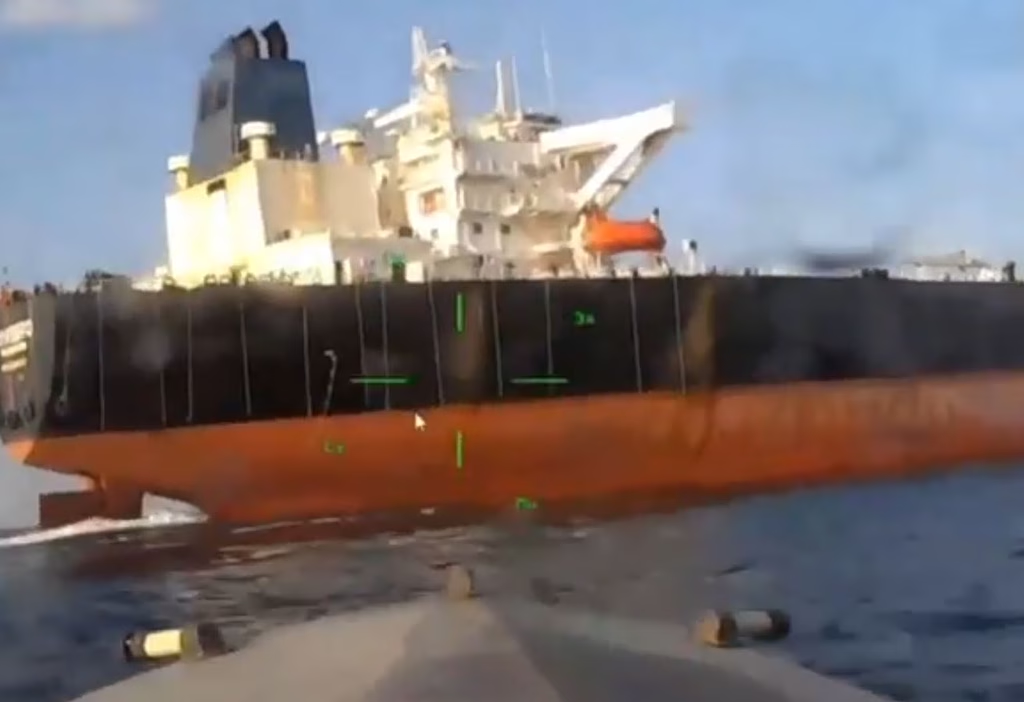
Iran’s Islamic Revolutionary Guard Corps (IRGC) also said two oil tankers exploded after attempting to travel through the Strait of Hormuz via what it called an unsafe route. As reported in Reuters, the claims could not be independently verified, and the IRGC did not provide details about the vessels or possible casualties.
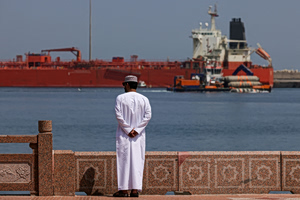
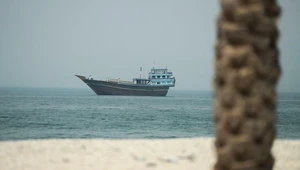
Separately, a vessel was reportedly struck by an unidentified projectile near Oman’s coast, close to the strategic waterway.
Wider regional tensions
The conflict has affected several parts of the Middle East, with thousands of people killed, particularly in Iran and Lebanon. Lebanese President Joseph Aoun is due to meet Trump in Washington to discuss a plan to disarm Hezbollah and secure an Israeli withdrawal from southern Lebanon.
Meanwhile, fighting continues to shape the situation in Gaza, where Israel still maintains forces following a war that began after Hamas’ October 7, 2023 attack on southern Israel.