 Μake us preferred on Google
Greece is preparing to extend fuel subsidies through the first half of November as the government weighs additional measures to cushion households and businesses from rising energy costs.
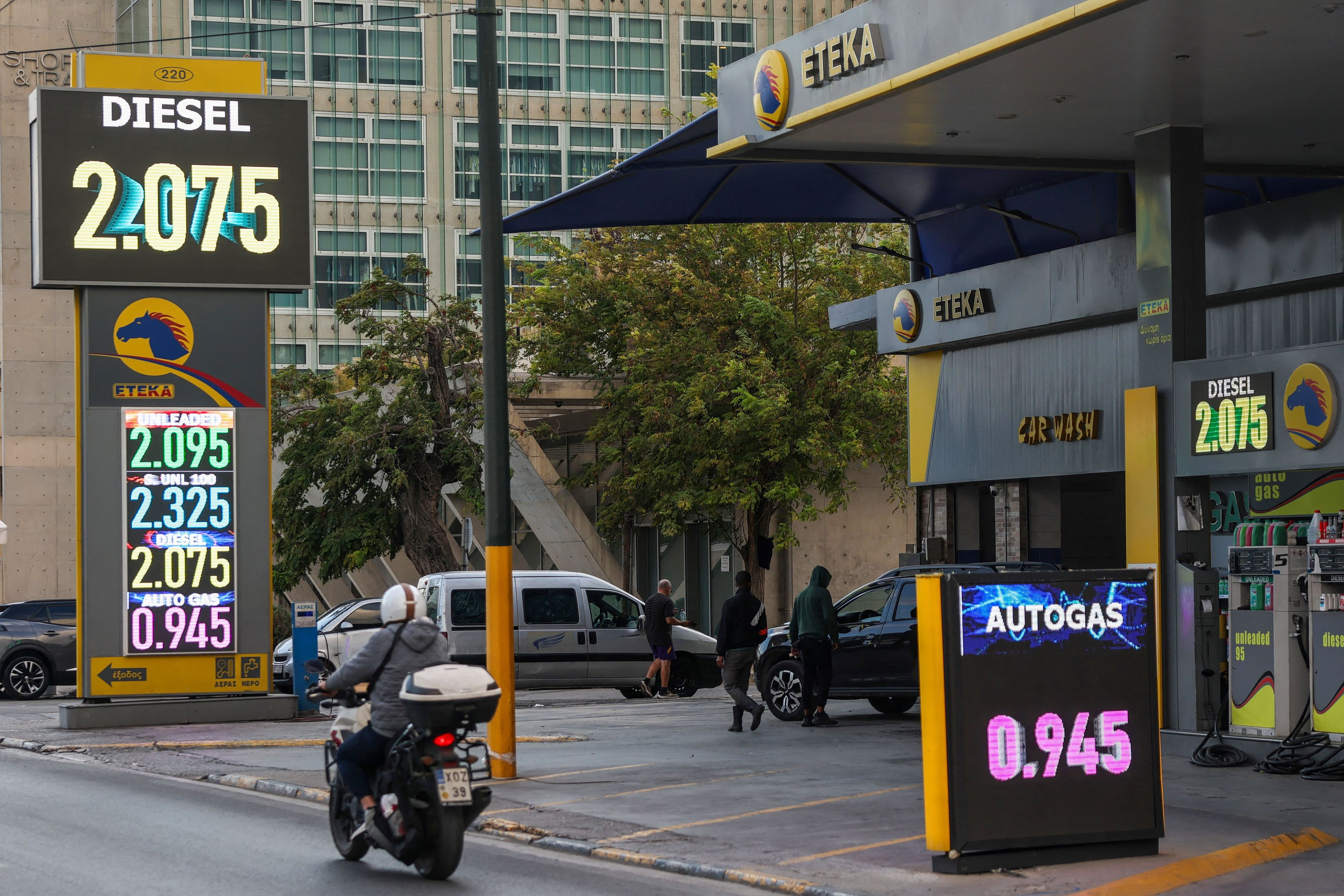
The existing support scheme expires on October 31, 2026, but the government’s economic team is considering extending it for another 15 days, through mid-November. Final decisions are expected this week, with international energy prices likely to determine the level of support for gasoline, diesel and heating oil.
The move comes as oil prices approach $120 per barrel and European natural gas prices have climbed above €93 per megawatt-hour.
Fatih Birol, executive director of the International Energy Agency, warned at the Singapore International Energy Week conference that he could not see a credible scenario in which energy markets would return next year to their levels before the war began.
How much are the current fuel subsidies?
Under the existing scheme, which remains in effect through October 31, the subsidy arrangements differ by fuel type.
- Heating oil: A total subsidy of 40 euro cents per liter, split equally between the state and refineries, with each contributing 20 cents.
- Diesel: A subsidy of 20 cents per liter, comprising 15 cents from the state and 5 cents from refineries.
- Unleaded gasoline: A subsidy of 10 cents per liter, funded entirely by the government.
The current measures cost €48 million. The government also has a €300 million funding reserve that could provide room to continue the subsidies.
The extent of any extension will depend on developments in international energy markets and their impact on domestic prices.
Fuel Pass and additional support under consideration
The government is also examining further interventions, including the possible return of Fuel Pass, a scheme providing financial assistance for vehicle fuel costs.
Other options under consideration include covering part of increases in electricity and natural gas bills, supporting ferry services and introducing remote work in the public and private sectors where feasible.
No final decisions on these additional measures have been announced.
Think tank favors targeted support over broad tax cuts
The Foundation for Economic and Industrial Research (IOBE) considers direct financial assistance to households a more effective way to support motorists than across-the-board fuel tax cuts. Options could include cash transfers or reduced vehicle circulation fees, according to its assessment.
The report argues that governments should intervene when markets face extreme disruptions. However, support measures can become counterproductive if they cancel out the price signals that encourage consumers to reduce energy use and seek alternatives.
The government’s decisions on extending the current subsidies are expected by the end of the week, before the existing arrangements expire on October 31.