 Μake us preferred on Google
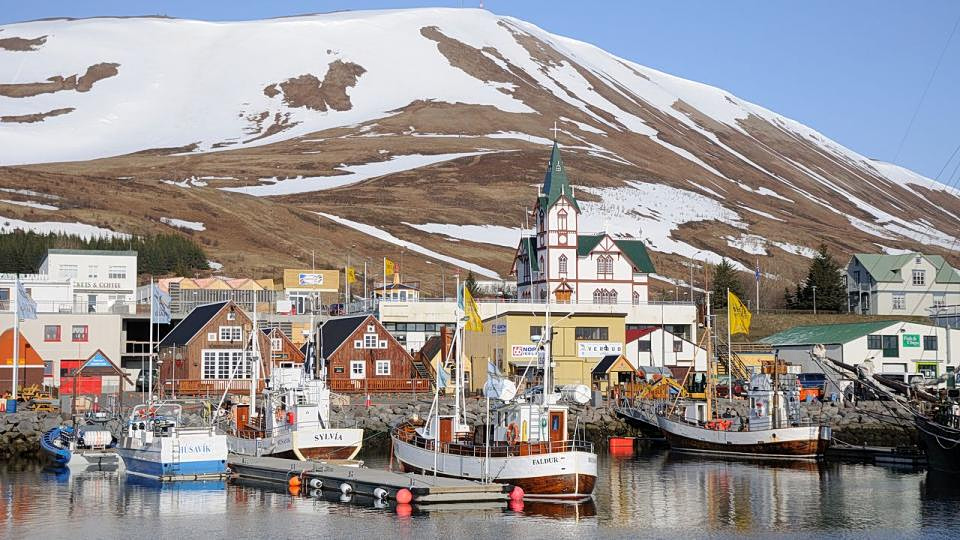
 Iceland has voted down the government’s proposal to restart EU accession talks, public broadcaster RUV reported Sunday, with only a small number of ballots still uncounted. Of roughly 188,500 votes tallied out of 270,000 eligible voters, 52.5% opposed reopening negotiations while 47.5% supported it, according to RUV; turnout figures weren’t immediately available.
Supporters of joining argued EU membership could ease high interest rates and offer more security amid global instability, pointing to the war in Ukraine and President Trump’s stated interest in Greenland, Iceland’s Arctic neighbor. Opponents countered that membership would put the country’s sovereignty and control over its fishing waters at risk.

Supporters of the “Yes to See” campaign, which supports resuming EU accession negotiations, react to the early projections of a referendum on whether Iceland should resume accession negotiations with the European Union, in Reykjavik, Iceland, August 30, 2026. REUTERS/Leonhard Foeger
Former Icelandic President Olafur Ragnar Grimsson, who campaigned against joining, called the vote a defining moment for the country in a social media post.
A Decades-Old Debate, Renewed
Iceland first applied for EU membership in 2009, during a financial crisis that hit its small economy hard, but talks broke down in 2013 after a Eurosceptic government shelved the process. Renewed geopolitical instability has revived the debate, which Icelanders have weighed on and off for years.
Foreign Minister Thorgerdur Katrin Gunnarsdottir, who backed the “yes” side, told Reuters ahead of the vote that the referendum ultimately came down to whether Iceland could still afford to stand apart as long-standing global certainties erode.

Iceland’s Minister for Foreign Affairs, Thorgerdur Katrin Gunnarsdottir, reacts during an event of the “Yes to See” campaign, which supports resuming EU accession negotiations on whether Iceland should resume accession negotiations with the European Union, in Reykjavik, Iceland, August 30, 2026. REUTERS/Leonhard Foeger
She said the international order that has underpinned the country’s security and prosperity for decades is under real strain, arguing that smaller nations now need to think carefully about their alliances.