 Μake us preferred on Google
 Iran and Oman have resumed discussions on managing traffic through the Strait of Hormuz, seeking to establish a temporary route through the strategic waterway as a broader impasse between Tehran and Washington drags on.
The two countries said Tuesday they had discussed creating “a joint temporary navigational corridor” through the strait and agreed to clear the waterway of mines.
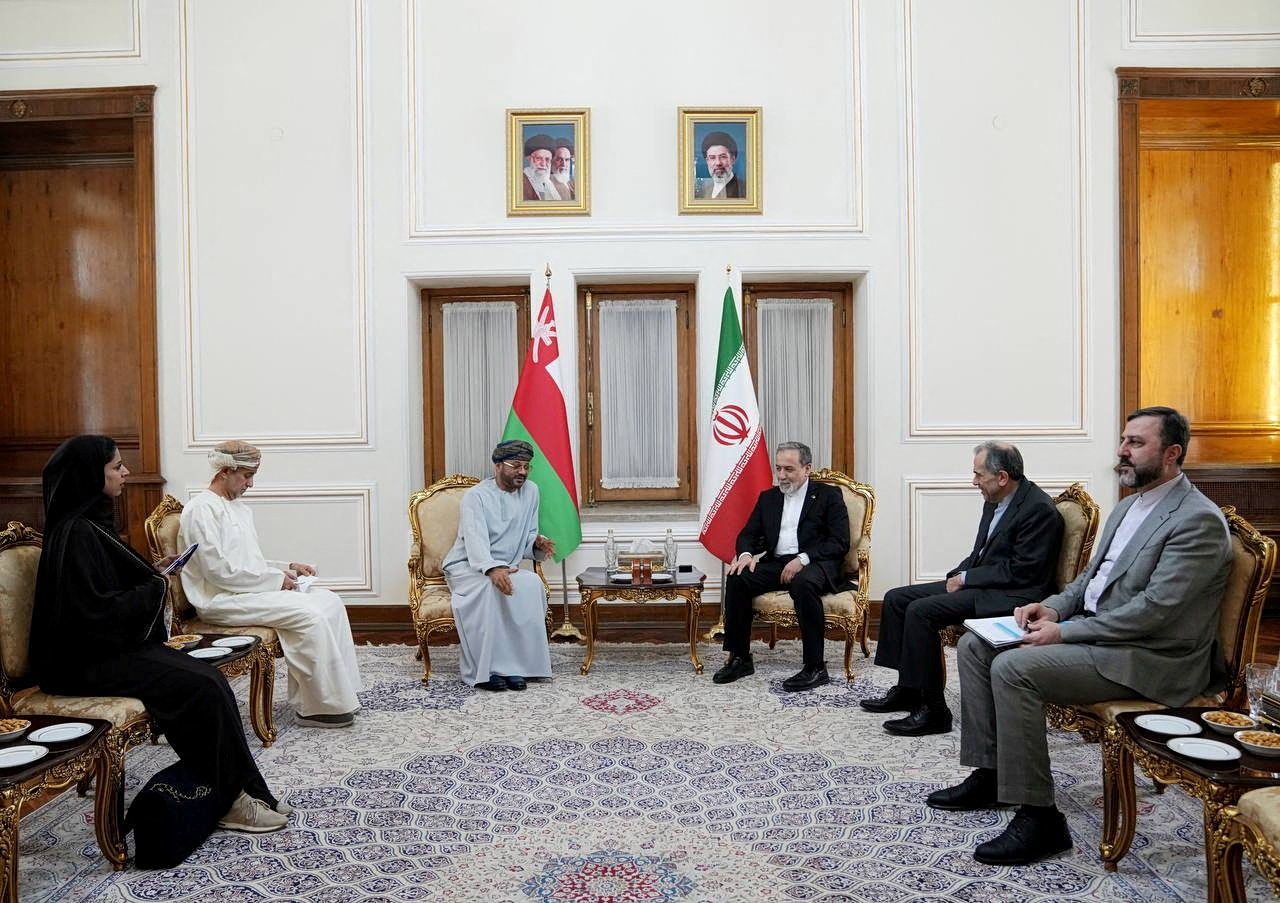
Iranian Foreign Minister Abbas Araghchi and Omani Foreign Minister Sayyid Badr al-Busaidi met in Tehran as the two neighboring countries continued efforts to address the disruption to shipping through the waterway.
Iran and Oman have held intermittent discussions for weeks over how traffic could be managed through the strait, which before the war began in February carried about one-fifth of global oil and liquefied natural gas shipments. Most shipping has been halted since then.
NEWSLETTER TABLE TALK
Never miss a story.
Subscribe now.
The most important news & topics every week in your inbox.
The discussions come as active fighting between the United States and Iran has largely subsided, but diplomatic efforts to reach a peace agreement have stalled and vessels still face risks while attempting to pass through the strait.
An oil tanker was struck by an unidentified projectile on Tuesday and disabled about 9 nautical miles, or 17 kilometers, northeast of Ash Shishah in Oman, near the entrance to the Strait of Hormuz, according to the United Kingdom Maritime Trade Operations.
Trump says Strait of Hormuz has been cleared
U.S. President Donald Trump said Tuesday that mines in the Strait of Hormuz had been cleared, repeating comments he had made previously.
The statement came as Tehran and Muscat were discussing their own plan for a temporary navigation corridor.
The developments around Hormuz come amid continued pressure from Washington on Iran. The United States earlier this week threatened to penalize countries that continue doing business with Iran, although it said the measures would not be imposed immediately.
Iran condemned the U.S. campaign to isolate its economy as an act of “gross lawlessness” and expressed confidence that many countries would refuse to participate in the pressure campaign.
Oil prices fell for a second consecutive day as traders appeared to discount the immediate impact of the new U.S. sanctions.
US begins returning personnel to Middle East
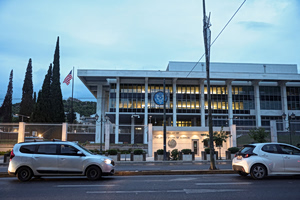
Despite the continued tensions, the United States has begun sending personnel back to some diplomatic missions in the Middle East that were evacuated or reduced in size during the conflict with Iran, according to two people familiar with the matter.
Some embassies will initially operate below full capacity. The move suggests Washington considers the immediate risk of a renewed escalation to be lower.
The conflict has killed thousands of people, most of them in Iran and Lebanon, while U.S. and Israeli military operations have significantly degraded Iran’s conventional military capabilities. The current condition of Iran’s nuclear program remains unclear, despite U.S. and Israeli efforts to dismantle it.
Iranian TV video raises new tensions
Separately, the U.S. Secret Service said Tuesday it was aware of a video aired by Iranian state television that discussed a possible plot to assassinate Trump’s youngest son, Barron Trump.
The three-minute broadcast, which concerned the 20-year-old, claimed he was being monitored and alleged that a $10 million bounty had been offered for his killing.
The video added another source of tension between Washington and Tehran as efforts to resolve the wider conflict remain stalled.
Trump is also facing declining domestic support for the war. Reuters/Ipsos polling found that U.S. public approval of the conflict had fallen to its lowest level since the early stages of the war, while Trump’s popularity had also reached a record low ahead of November’s congressional elections.