 Μake us preferred on Google
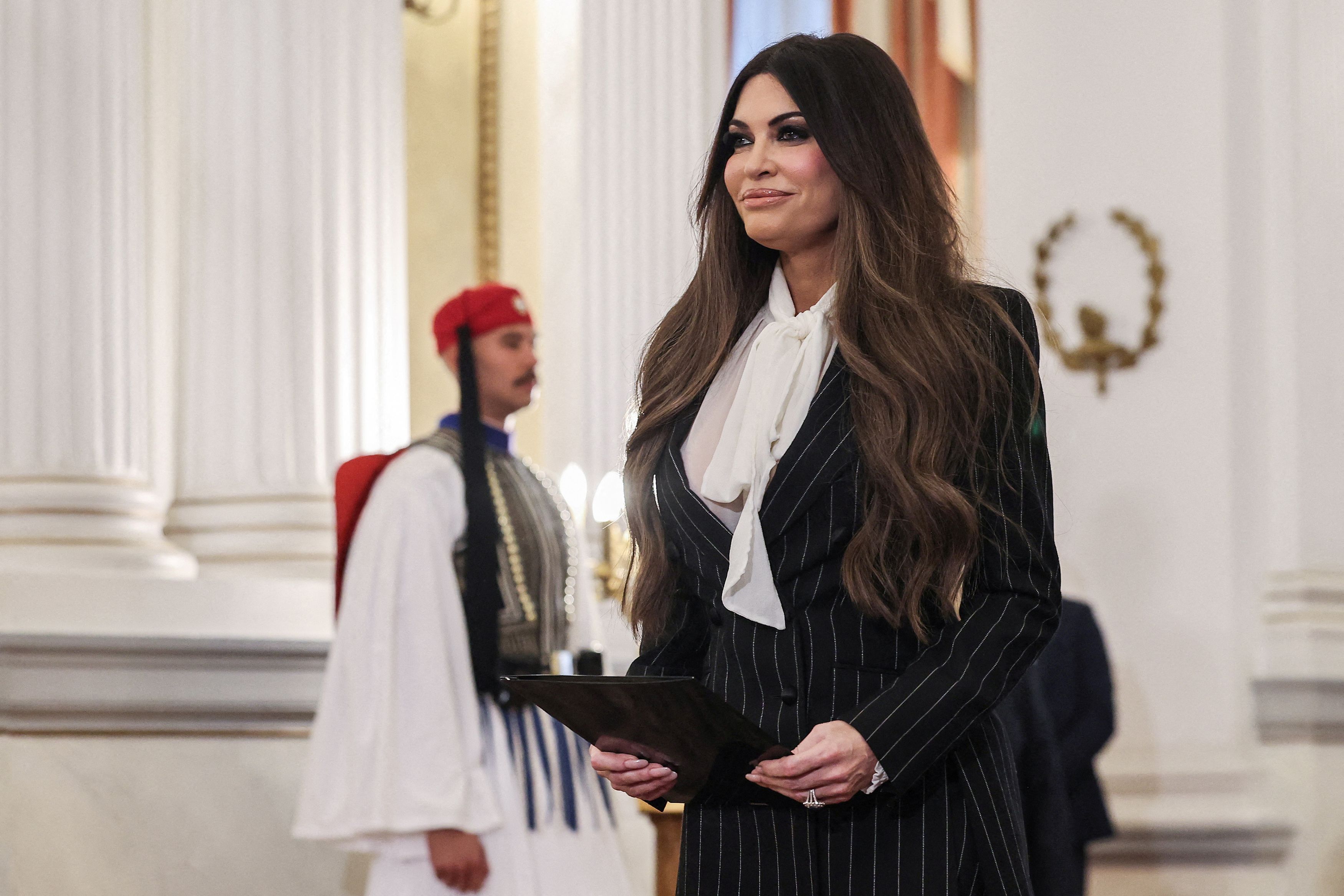
 Kimberly Guilfoyle was scrambling to save her job.
As damaging revelations piled up, President Trump’s ambassador to Greece started dialing up administration officials and people close to the president, playing down Wall Street Journal reporting that suggested she was using her position for personal gain.
Guilfoyle had been worried about her job since late last month, according to people familiar with the matter, when the Journal revealed she had been promoting a Greek construction firm while working closely with the company’s top lobbyist. The ambassador began calling administration officials and prominent Trump supporters, often in the early hours in Athens, to ask for their backing, the people said.
When the Journal published a second investigation revealing text messages that showed she had solicited $100,000 from a Trump donor in the run-up to her confirmation hearing last year, Guilfoyle reached out to White House officials to say the text messages were AI generated. The officials didn’t believe her claims, the people said. Journal reporters verified the authenticity of the donor’s text messages.
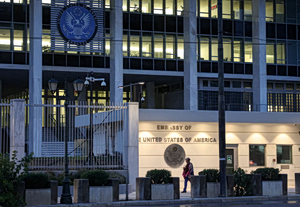
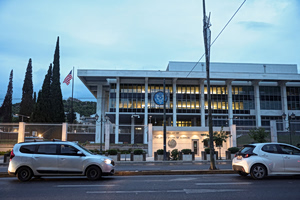
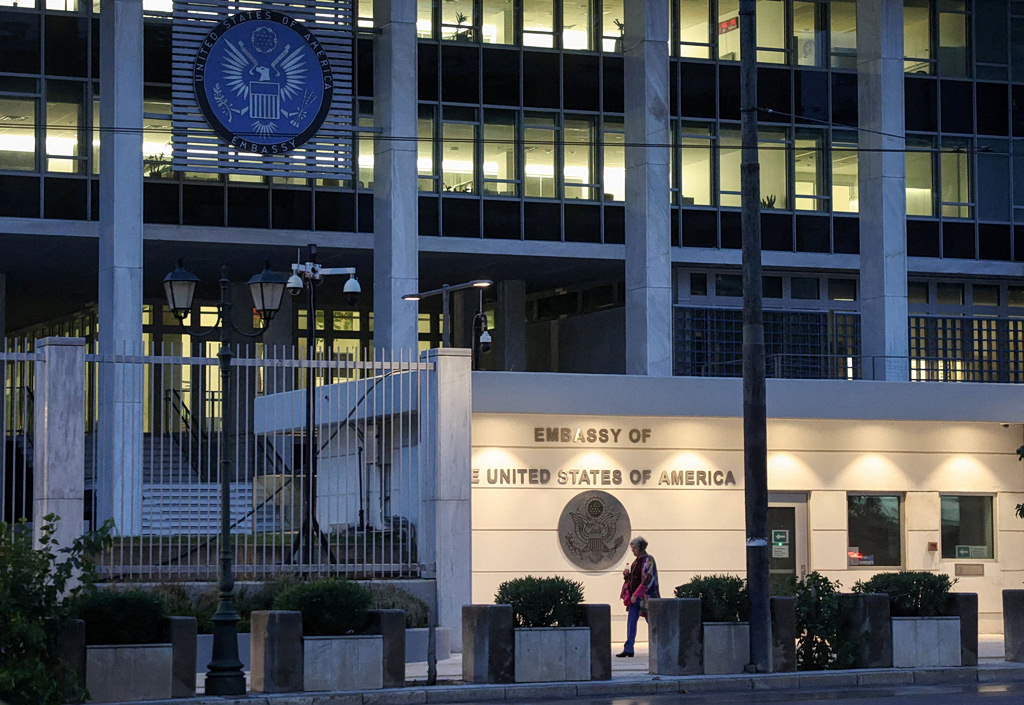
After the Journal published a third story on Saturday showing Guilfoyle had accepted private jet travel and hospitality at some of Europe’s most expensive hotels from the shipping magnate Nikolas Tsakos, the atmosphere at the white marble embassy turned increasingly tense.
Guilfoyle was eager to identify those leaking the stories that made her the subject of mockery on late-night talk shows, accusing embassy personnel and her security team, according to people familiar with the matter. Visitors at Jefferson House, the Athens residence Guilfoyle had decorated with large self-portraits, noticed she was peering over their shoulder to watch the television on mute, showing news coverage of her mounting political problems. At one point, Guilfoyle called Matthew Boyle, Washington bureau chief of conservative media outlet Breitbart News, for help to lobby administration officials on her behalf, according to people familiar with the matter.
She worked to project a sense of normalcy. On Monday, she posted a photo on social media of herself posing with the Spanish ambassador to Greece to celebrate his country’s national day, writing: “Feliz Fiesta Nacional!” On Instagram, she wished Lara Trump , the president’s daughter-in-law, a happy birthday. Early Tuesday, she was still telling associates that she would survive the scandal, according to a person familiar with the matter.
But President Trump was losing patience.
During a Tuesday morning prep session for his new press secretary Katie Zacharia’s first briefing at the White House, the president instructed Zacharia to tell the world that he was asking Guilfoyle to resign, people familiar with the matter said. Trump didn’t speak directly to Guilfoyle before making the decision, one of the people said.
“We have asked Ambassador Guilfoyle to resign,” Zacharia told reporters on Tuesday. “She has been a wonderful asset to the team, and we wish her well.”
Trump was annoyed at how brazen the accusations appeared to be, people who spoke with him said, and he was troubled that Guilfoyle was making money off his presidency. The president’s senior aides were growing increasingly frustrated with the negative headlines, which they worried would feed the perception of self-dealing just weeks ahead of the midterm elections.
The president’s unusual decision to force out a sitting ambassador capped a week when one of America’s most prominent diplomats unexpectedly became an unwelcome distraction. The wave of negative stories interfered with the carefully-laid plans of the secretary of state and became a headache for White House officials as they rushed to piece together her activities across a patch of Southeastern Europe thousands of miles from Washington.
Guilfoyle’s political implosion came after she blazed an unusual path to her ambassadorship. The ex-wife of California Gov. Gavin Newsom , the former assistant district attorney of San Francisco became a Fox News host and then started dating Donald Trump Jr. halfway through the first Trump administration. The couple got engaged before Trump left office during his first term. Once the relationship fell apart, Trump tapped her as his envoy to Athens.
With two million Instagram followers and her constant travel companion, the stylist Fancy James, she became a potent symbol of the new school of American diplomacy under Trump that fuses celebrity, business and geopolitics. And she became the point person for a U.S. foreign policy priority that has occupied presidents since Barack Obama: convincing European countries that historically bought their gas from Russia to instead pay a premium for American gas.
She crisscrossed the Balkans to persuade Europe governments to buy billions of dollars of American natural gas via the Greek company whose CEO and top lobbyist often flew her on private jets and joined her in meetings. Her dismissal throws a question mark over the diplomatic campaign to put American gas in pipelines that once carried Russian energy.
President Trump appears eager to distance himself from an ambassador who once touted her access to the Oval Office, but is now facing calls for investigations from the congressional Democrats who could take power after the midterm elections. In March, the president feted Guilfoyle at a White House event for Greek Independence Day calling her “my friend for a long time” and “an inspiration.” On Tuesday, he told reporters: “No, she wasn’t a member of my family. She, I guess, dated my son a long time ago.”
Secretary of State Marco Rubio and his senior aides were halfway to Athens last week when they learned that the Journal was preparing to publish a story revealing that Guilfoyle had sought a $100,000 payment to her American Express account from Eric Deters, a Trump donor and former congressional candidate.
Guilfoyle was waiting for Rubio on the tarmac.
Rubio’s team was preparing for a major speech on Western civilization he was set to give the next day at the Acropolis at sunset, a carefully choreographed event they worried could be overshadowed by the controversy, senior administration officials said.
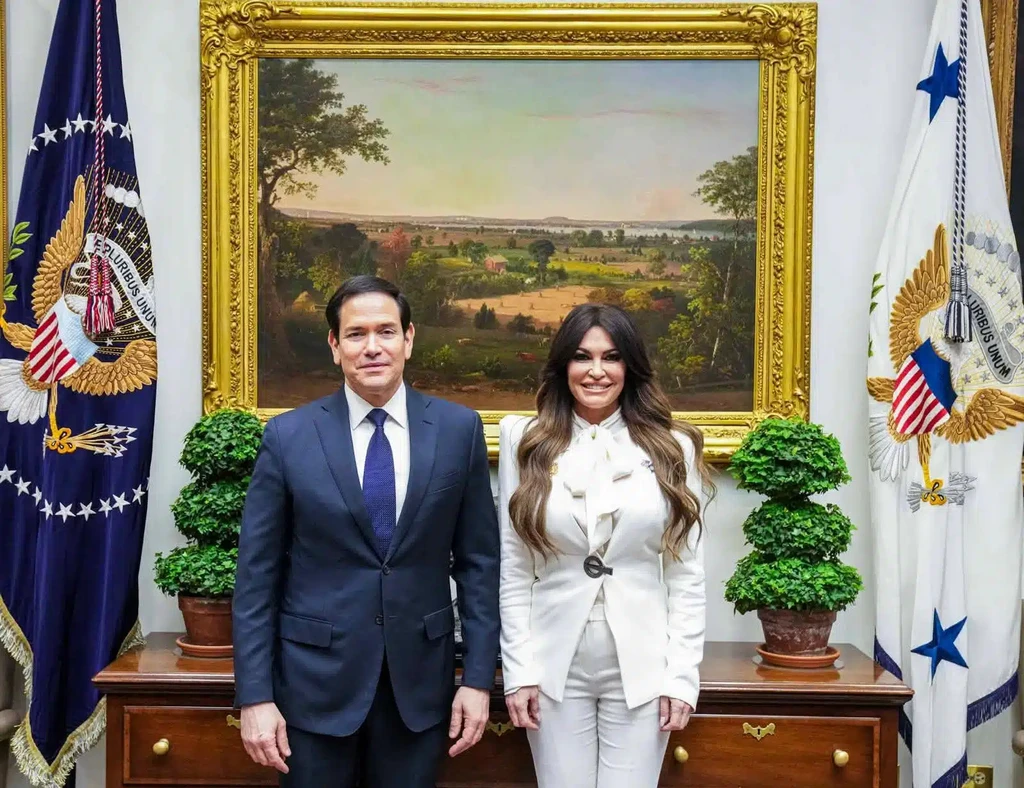
Secretary of State Marco Rubio, with US Ambassador to Greece Kimberly Guilfoyle. Credit: US Embassy Handout
They were blindsided and frustrated by the revelations, messaging officials back in Washington as they assessed the potential fallout, the officials said. Just days earlier, Rubio had defended Guilfoyle as an “incredibly effective advocate” for Trump’s agenda and emphasized the administration “greatly valued” her.
As he landed in Athens, Guilfoyle waved at the plane in front of the cameras and greeted him with an embrace and kisses. The effusive welcome drew attention in the Greek press. “First images of Rubio’s arrival in Athens: The Warm Welcome and Embrace with Guilfoyle” one headline read.
Guilfoyle appeared eager to dispel any suggestions of a rift with Rubio, posting photos of their hug and other moments together on social media.
Trump aides had discussed firing her even as Rubio was still in Greece, some of the people said, but Rubio didn’t want any move against Guilfoyle to overshadow his trip. Before the president made his decision to urge Guilfoyle to resign, administration officials had discussed bringing Guilfoyle back from Athens for a conversation with Rubio and other officials aimed at nudging her out of her post, the people said.
The controversy quickly spilled into Greek politics. For days, Greek newspapers and tabloids splashed large photographs of Guilfoyle and the scandal across front pages. The country’s main opposition party demanded answers, questioning whether Guilfoyle had used her role to advance private business interests and calling for greater transparency over energy and defense agreements. Some in the opposition party asked whether Greek officials had done enough to challenge her conduct.
Before Rubio’s visit to Greece, Guilfoyle worked to limit the fallout from negative media coverage. Early this month, she asked the State Department whether it could get an article in the Daily Mail, a British tabloid, removed from the internet, according to a person familiar with the matter. The article suggested she didn’t pay a €1,586 tab ($1,768) for two cases of Champagne and dinner. State Department officials asked if she could provide a receipt for the bill showing she paid, but she didn’t provide one, the person said.
In the span of a few months, Guilfoyle helped corral a half-dozen countries—from Albania to Romania and Ukraine—into signing memorandums of understanding or other statements signaling their intent to buy American gas, particularly via a Greek company, Aktor, and its joint venture with a Greek government-backed energy firm.
Albania’s Energy Ministry now says it isn’t fully convinced its arrangement would be economically viable and is waiting for a complete feasibility study. Ukraine’s state energy company, Naftogaz Group, told the Journal it has discontinued its negotiations. Romania’s state gas company Transgaz said its memorandum of understanding has expired.
Lawyers for Aktor said a 20-year agreement to supply gas to Albania is “binding on the parties,” and subject to international arbitration. The company said there are ongoing negotiations with Ukraine for spot contracts and that it expects talks with Romania to continue.
Guilfoyle, in a Tuesday social-media post announcing her resignation, expressed gratitude and support for Trump, saying the role in Athens has been the honor of a lifetime, while dismissing the allegations against her as false.
The post was quickly edited to add a line that initially was missing: “My deepest heartfelt appreciation to the people of Greece for their hospitality, partnership, and welcoming me with open arms.”
Write to Dana Mattioli at dana.mattioli@wsj.com , Josh Dawsey at Joshua.Dawsey@WSJ.com , Joe Parkinson at joe.parkinson@wsj.com , Drew Hinshaw at drew.hinshaw@wsj.com and Vera Bergengruen at vera.bergengruen@wsj.com