 Μake us preferred on Google
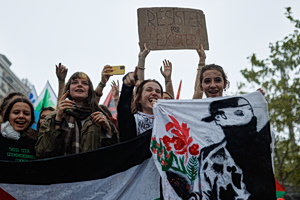
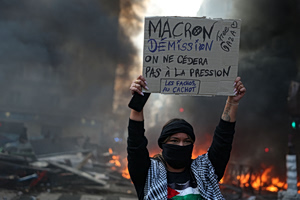
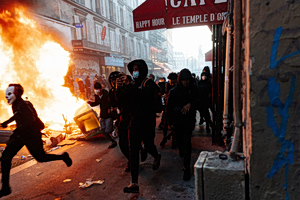
French President Emmanuel Macron announced that a meeting will be held Thursday the 22nd of October, in the morning hours with the intelligence services, Prime Minister Sébastien Lecornu and the “ministers involved” to carry out a “detailed review” of the October 17 day of protests, which was marred by violence and looting.
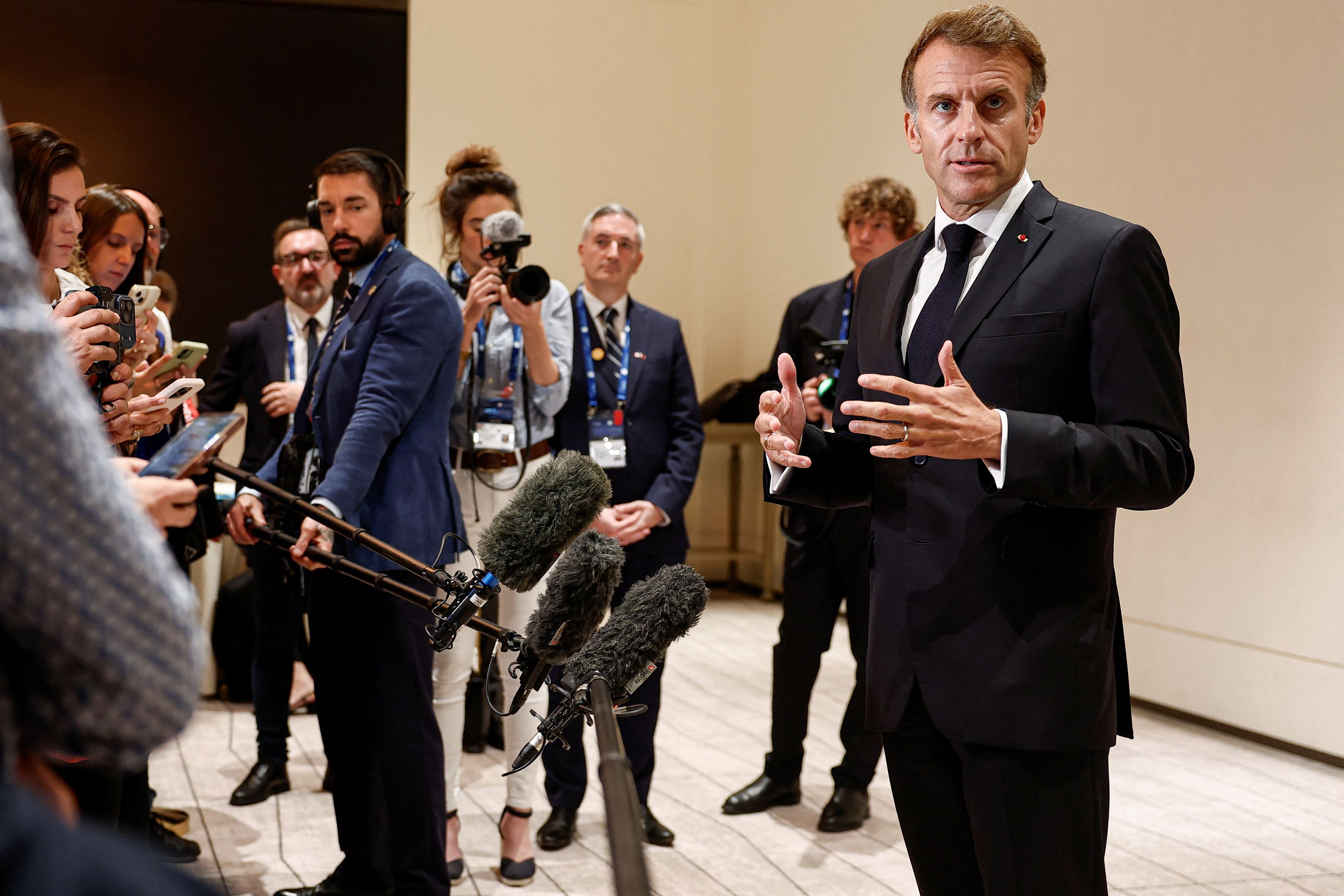
Speaking to reporters during a visit to Doha on Wednesday, the French president said “transparency” about what happened is essential. The review comes after criticism that security services did not foresee how large the demonstrations would become or the violence that followed.
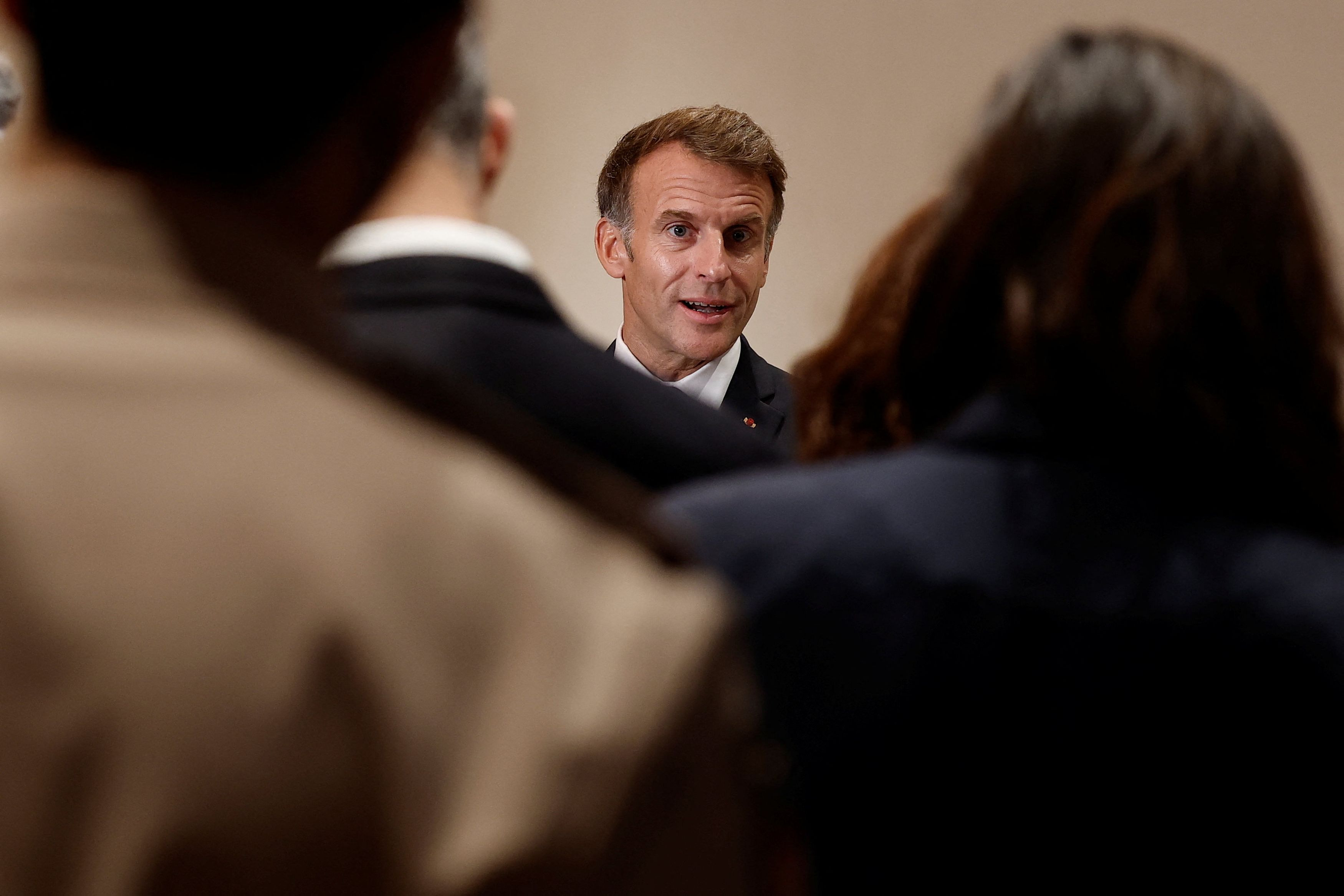
French President Emmanuel Macron speaks to members of the media on the day of the 9th Annual One Planet Sovereign Wealth Funds (OPSWF) Summit, in Lusail, Qatar, October 21, 2026. REUTERS/Benoit Tessier/Pool
Macron also defended the government’s choice to impose curfews in certain cities. He said a state of emergency is not being considered for now, and pledged a tough response to those behind the violence and property damage.
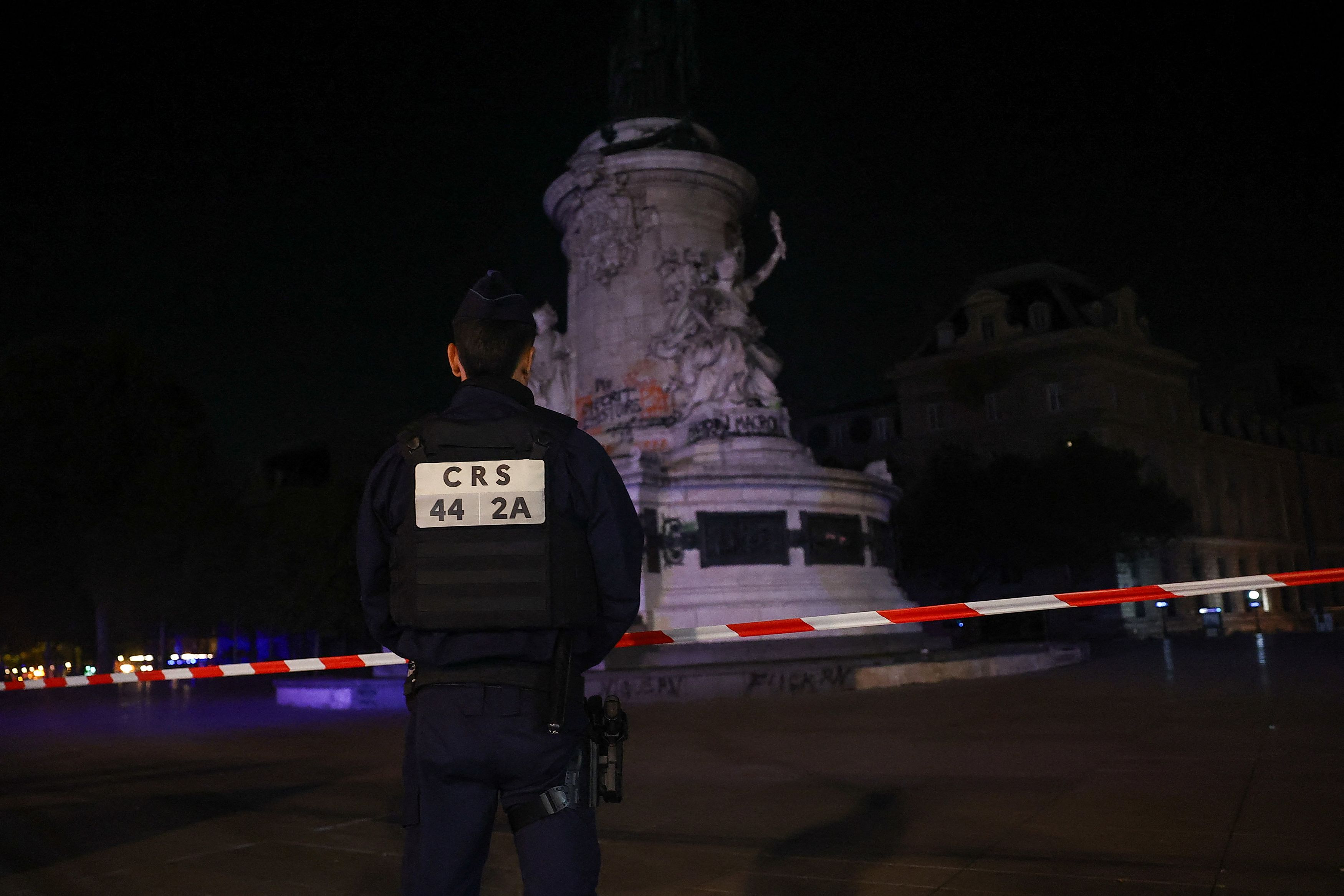
A nember of law enforcement stands guard at Place de la Republique during a nighttime curfew following unrest over the weekend, in Paris, France, October 21, 2026. REUTERS/Abdul Saboor
He denounced foreign leaders who are “campaigning on the back of France” and who made “unacceptable and foolish comments.” Without naming them, he was targeting US President Donald Trump and Israeli Prime Minister Benjamin Netanyahu.
Macron said there was no “apparent foreign interference in the events,” but that “there was external manipulation of information that led to unacceptable and foolish comments from many, including foreign leaders.”
Macron: “No Violence Is Legitimate”
“There are people campaigning on the back of France, leaders who are in an election campaign in the region or on the other side of the Atlantic, who sometimes naively repeat what appears in artificial intelligence or pass on what certain circles clearly want people to believe,” he said.
He stated that “no violence is legitimate,” whether “verbal or physical, against property or against people,” and condemned political officials who had been “ambiguous” on the issue.
The French president said Thursday’s meeting between Prime Minister Lecornu and the political parties aims “to create a sense of responsibility for everyone in this context” following the scenes of looting last weekend. The talks are also expected to address security arrangements ahead of the presidential election campaign.
Unions Press for Answers on Social Demands
At the same time, Lecornu met with trade union representatives in Paris on Wednesday morning. CGT leader Sophie Binet called on the government to respond to the protesters’ core demands instead of focusing only on law enforcement. After the meeting at Matignon, Binet said the government had agreed to invite youth organizations to future talks. Student groups had been left out of the first meeting, which drew criticism from several unions, including the CGT and the CFDT.
The unions have raised issues such as education funding, working conditions, purchasing power and the rising cost of living. The government did not announce any new measures on these demands during the talks.
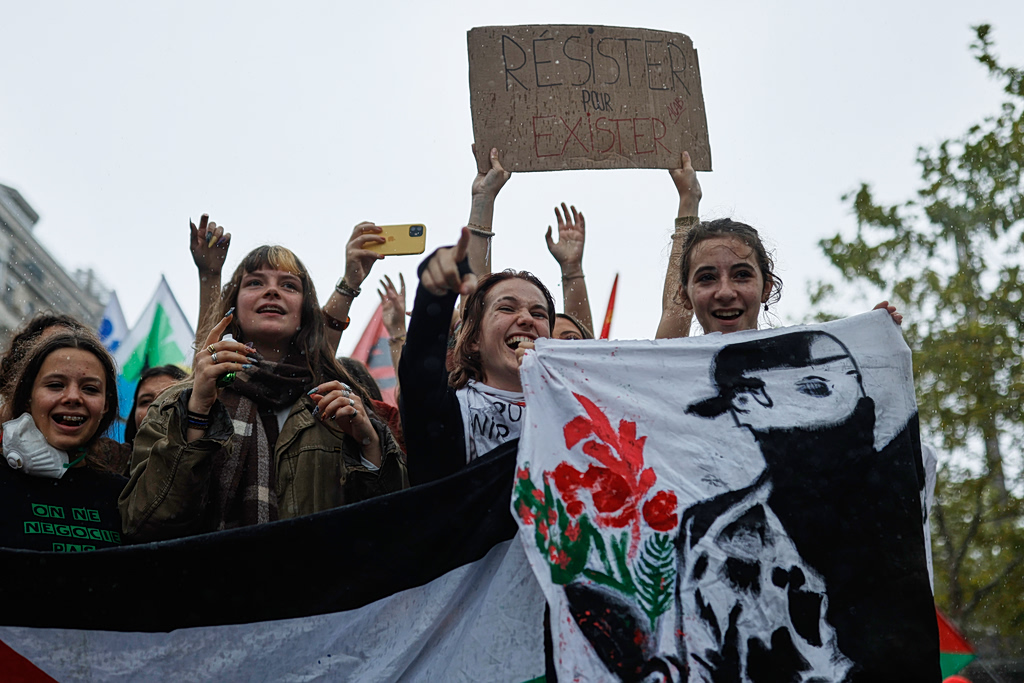
Authorities are preparing for a new round of demonstrations on Saturday, October 24, with more police expected to be deployed. Unions have also called a separate nationwide mobilization for November 5.
Fuel and Gas Supplies From the Gulf
Macron also said the French people will receive “their fair share” of the diesel quantities he secured during his tour of Gulf countries, a trip that drew heavy criticism in France after the weekend’s violence.
France also secured from Qatar “during the winter period the equivalent of 2 terawatt-hours (TWh) of liquefied natural gas (LNG) per month.”
“At the top of the state, the hand must not tremble,” Macron said, defending his decision to begin his Gulf tour the day after a violent weekend in France.
“There should be no concern,” he said. “I am carrying out my role, I am carrying out my mission,” he insisted, after three days of visits mainly aimed at securing France’s fuel supply.