 Μake us preferred on Google
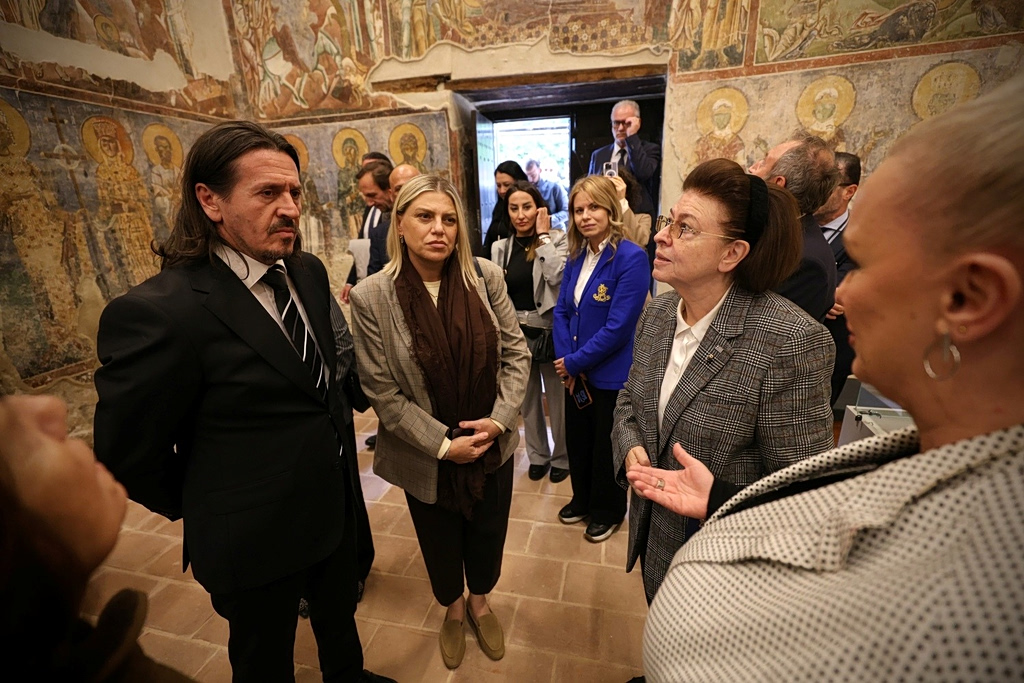
 Prime Minister Kyriakos Mitsotakis arrived in Ankara on Tuesday to attend NATO’s 36th summit, with Greece seeking to underscore its role as a reliable ally while advocating a stronger European defense pillar within the alliance.
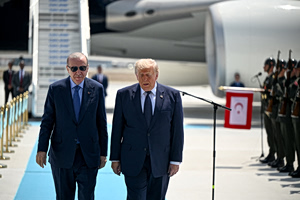
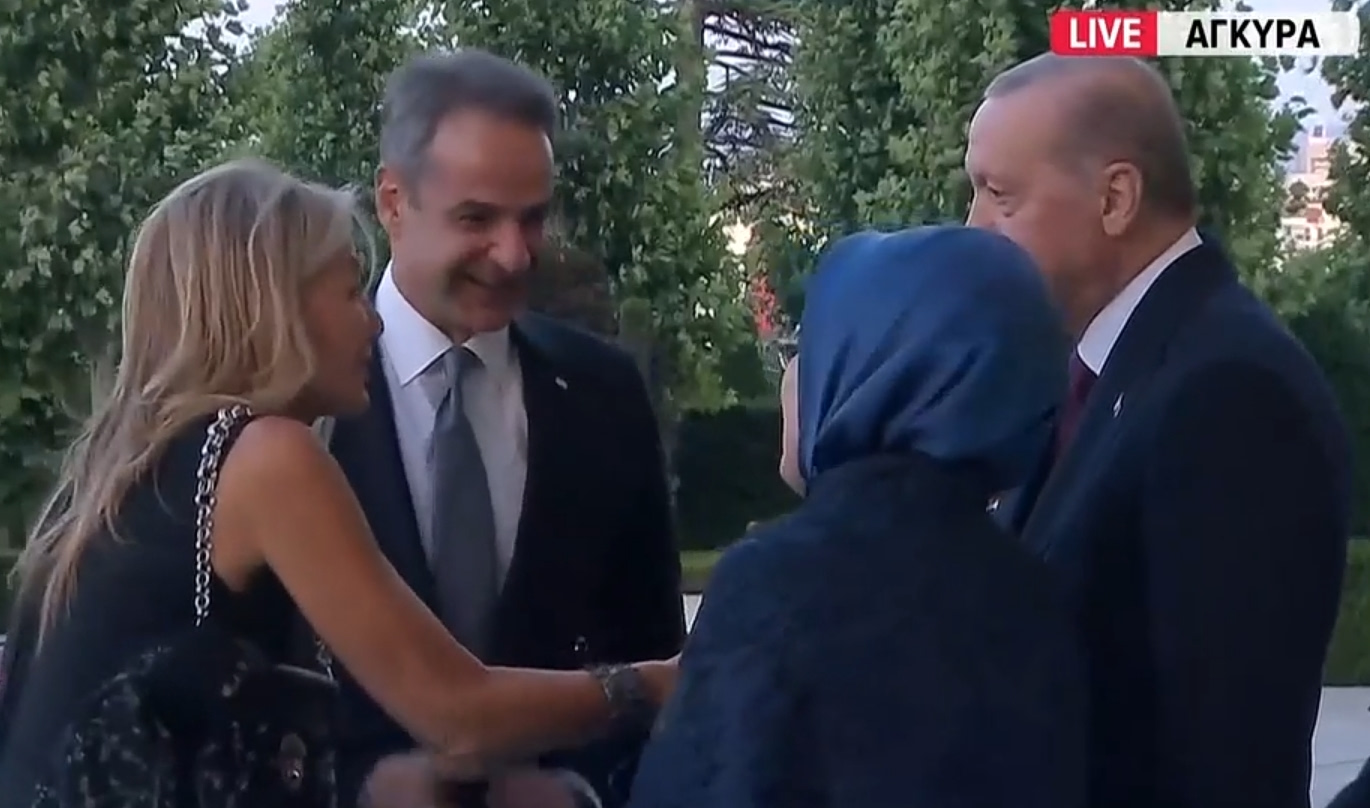
Mitsotakis, accompanied by his wife, Mareva Grabowski-Mitsotakis, was welcomed on arrival by Turkish Trade Minister Ömer Bolat before traveling to the presidential palace, where Turkish President Recep Tayyip Erdoğan and first lady Emine Erdoğan greeted NATO leaders and their spouses ahead of the summit’s opening events.
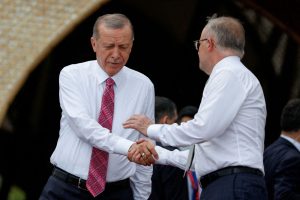
The two leaders exchanged a handshake during the reception, their first direct encounter in some time, but no bilateral meeting was scheduled on the sidelines of the summit.
The gathering formally opens Tuesday evening with a dinner hosted by Erdoğan for the heads of state and government of NATO’s 32 member countries. The main working session is scheduled for Wednesday, when leaders are expected to focus on implementing the alliance’s commitment to increase defense spending to 5% of gross domestic product, a target agreed at the previous NATO summit as allies respond to a deteriorating security environment.
Greek officials have said Athens will use the summit to reaffirm that Greece remains among NATO’s highest defense spenders while arguing that strengthening Europe’s defense capabilities should complement, rather than duplicate, the alliance’s collective security architecture. The summit agenda also includes Russia’s war against Ukraine, defense industrial production, emerging security threats and transatlantic burden-sharing.
The meeting comes against the backdrop of a cautiously improved climate in Greek-Turkish relations following more than a year of sustained diplomatic engagement. While fundamental differences remain over maritime boundaries, airspace and eastern Mediterranean issues, Athens and Ankara have maintained channels of communication through a structured bilateral dialogue aimed at reducing tensions, expanding cooperation in areas of mutual interest and preserving stability within NATO’s southeastern flank.
Greek officials have repeatedly stressed that dialogue does not alter Greece’s longstanding legal positions, while emphasizing that continued de-escalation serves the interests of both countries and the wider alliance.