 Μake us preferred on Google
 A growing number of people in Greece who travelled to Turkey seeking cheaper medical and cosmetic procedures have returned to the country or other European countries with serious health complications, renewing recent scrutiny Turkey’s expanding medical-tourism industry.
The issue has received extensive publicity in Greece following the case of a Greek-Canadian man who remains in critical condition at an Athens hospital after travelling to the southern Turkish coastal city of Antalya for dental implants. The case has raised serious questions about the safety and oversight of medical procedures performed abroad, particularly when clinics attract foreign patients with substantially lower prices and package deals.
Two other patients have now described traumatic experiences involving procedures in Turkey, including allegations of misleading advertising, inadequate medical care and serious complications after surgery.
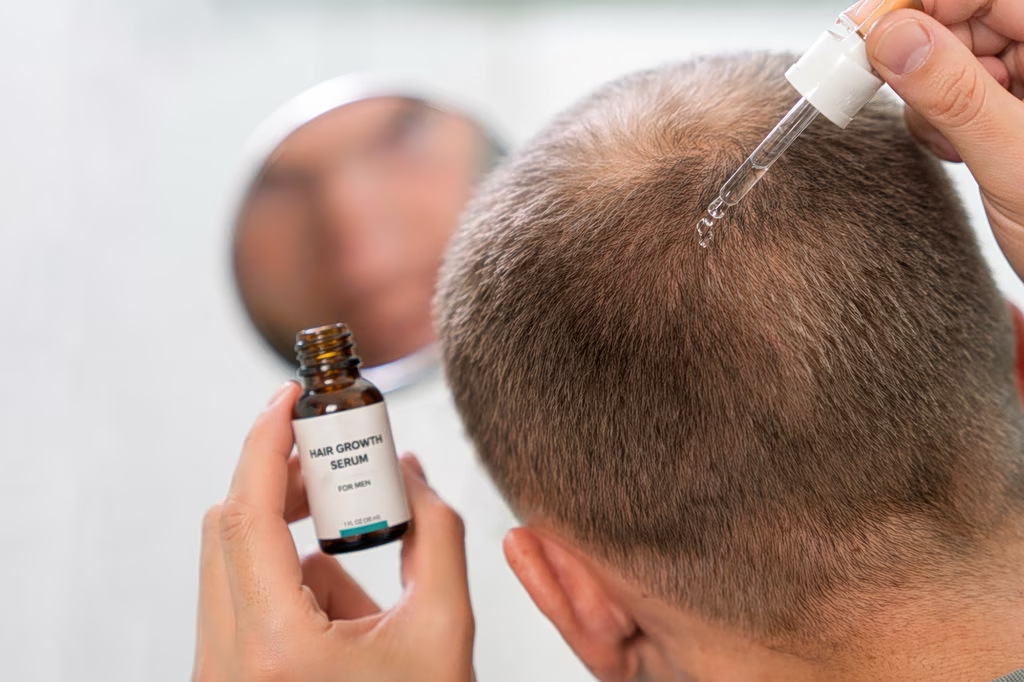
One man told the Mega TV program Live News that he travelled to Turkey several years ago for a hair transplant because it was significantly cheaper than having the procedure performed in Greece or Cyprus.
He said the treatment was extremely painful and that he continued to suffer severe pain for several days afterward. The clinic had offered free flights and accommodation at a high-end hotel, creating the impression of a professionally organized medical package.
Instead, he said, he found a very small clinic that bore little resemblance to what had been advertised. He later discovered that the person who performed his hair transplant was not a physician but a beautician.
The clinic closed about a year later, and when he returned to Turkey to locate it, he found that the premises had become a clothing store.
He paid 1,700 euros for the procedure, compared with about 5,000 euros quoted in Greece and Cyprus. The clinic had promised to transplant 5,000 hair roots, he said, but he believed only a fraction of that number had actually been implanted.
He subsequently underwent corrective procedures in Greece to repair damage to his scalp, effectively paying twice for treatment.
Patient Suffered Pulmonary Embolism
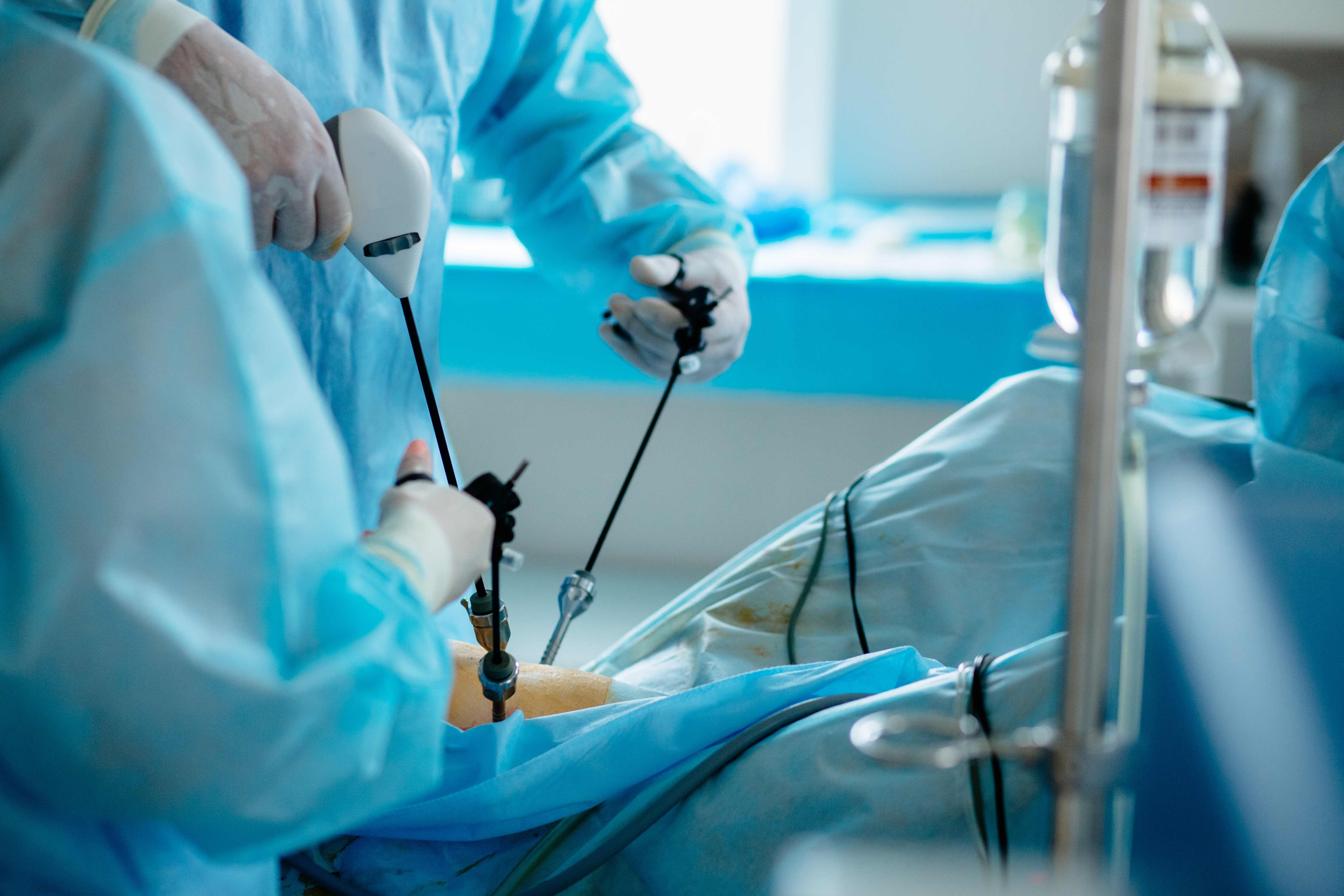
Another patient told Mega television that he travelled to Turkey for cosmetic surgery after losing a substantial amount of weight. Doctors in Germany had quoted costs of 23,000 euros, while a Turkish clinic offered the same procedure for about 5,000 euros.
The man said concerns emerged from the outset, as German doctors had warned him about possible complications and the need for private insurance, while the Turkish clinic allegedly assured him that serious problems were unlikely.
Following the operation, however, he experienced severe bleeding and required blood transfusions on a daily basis during his 12-day stay at the clinic.
As his condition deteriorated, he said the clinic urged him to return to Germany for medical treatment. He experienced severe symptoms during the flight and went directly to a hospital after landing.
Medical staff in Germany diagnosed him with a pulmonary embolism and a serious infection around his navel. He also claimed that the Turkish surgeons had removed more skin than necessary during the operation.
He spent about seven months dealing with severe pain and ultimately required multiple corrective procedures in Germany before recovering.
The cases have fueled concern in Greece over the risks associated with medical tourism to Turkey, where clinics heavily market procedures including dental work, hair transplants and cosmetic surgery to foreign patients.
The attraction is often a combination of significantly lower prices and all-inclusive packages covering treatment, flights, accommodation and transportation. But the experiences described by Greek and other European patients have highlighted the difficulties of verifying the credentials of clinics and practitioners and obtaining accountability or follow-up care once patients return home.