
 Μake us preferred on Google
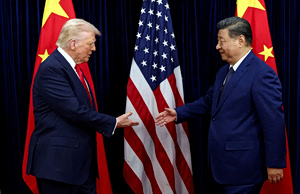
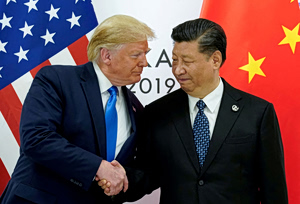
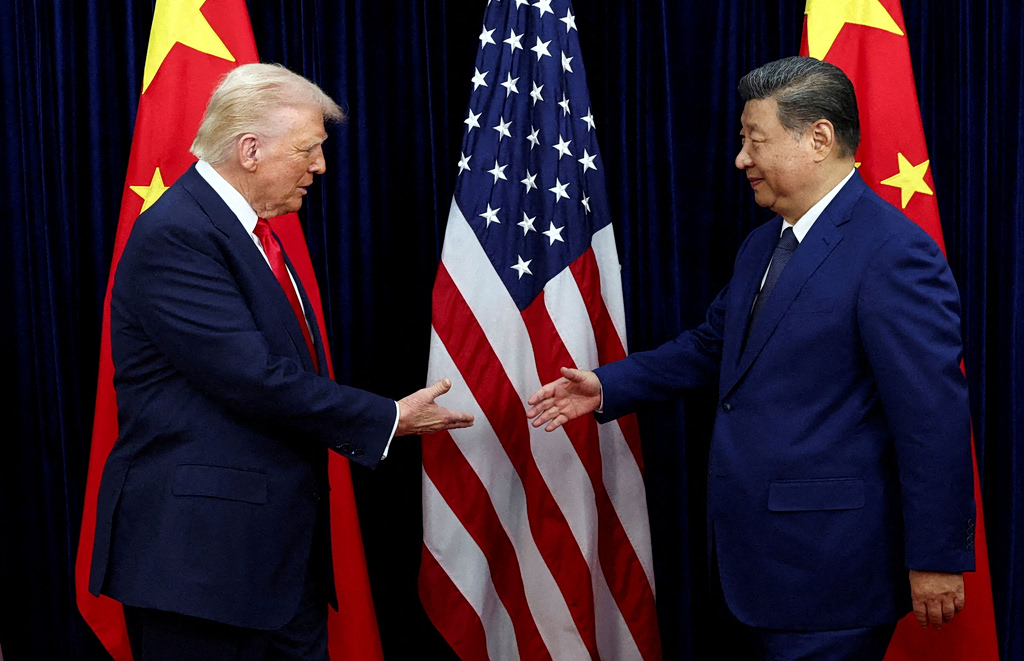
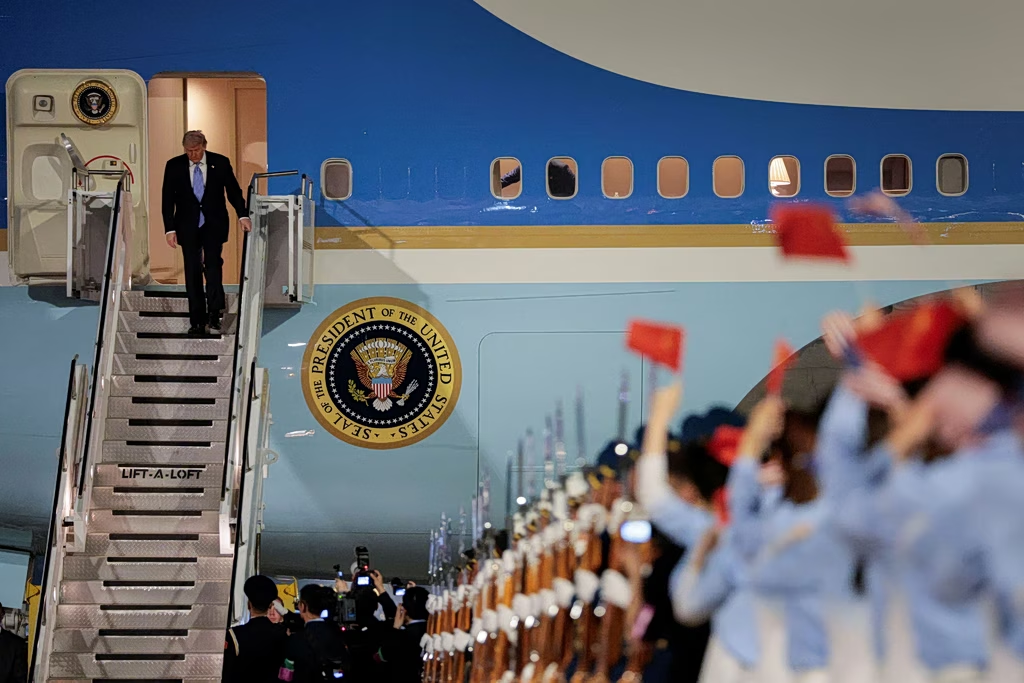
 Donald Trump landed in Beijing on Wednesday, accompanied by a high-powered business delegation that includes Elon Musk and Jensen Huang, the CEO of Nvidia. The first visit by an American president to China in nearly a decade comes at a critical moment, with Trump seeking new trade agreements, the preservation of a fragile truce with the world’s second-largest economy, and a boost to his approval ratings at home, which have taken a hit from the ongoing military conflict with Iran.
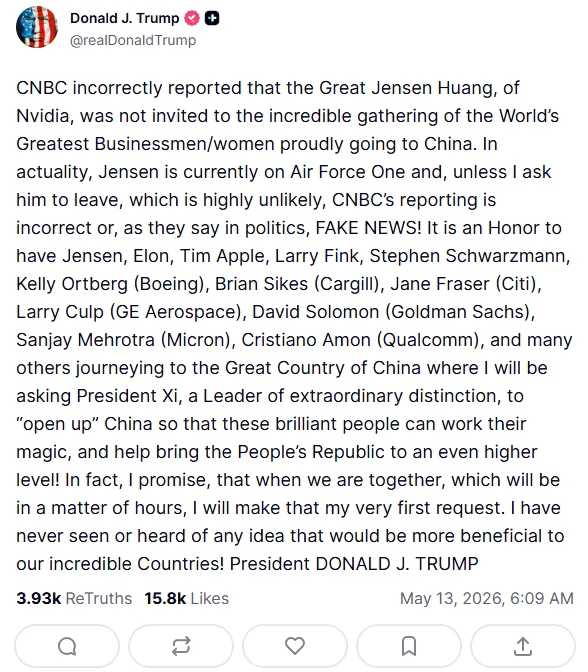
The composition of the delegation makes Washington’s intentions clear. The CEOs traveling with Trump come primarily from companies seeking to resolve longstanding regulatory obstacles in China. Nvidia is a telling example: the company has been pushing for licenses to sell its powerful H200 AI chips in the Chinese market. According to reports, Trump invited Huang at the last minute, with the Nvidia CEO boarding Air Force One during a refueling stop in Alaska.
Before the official meetings got underway, Trump signaled his priorities on Truth Social, writing that he would ask President Xi, whom he described as a leader of exceptional distinction, to open China so that these brilliant people can do their thing. He left no doubt about where he stood: “I will make this request my number one priority.”
Beijing’s Response
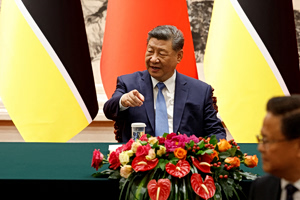
Beijing appeared ready to engage. Chinese Foreign Ministry spokesman Guo Jiakun, commenting on Trump’s post, said China remains willing to expand cooperation, manage differences, and offer more stability and certainty to a turbulent world.
The Summit Agenda
The two-day agenda covers a wide range of sensitive issues, from U.S. arms sales to Taiwan to the war with Iran. Trump is expected to press Xi to use China’s influence to push Tehran toward a deal with the United States, though he noted he did not think he would need Xi’s help on that front.
On the economic side, the two countries appear to be moving toward a mechanism for “managed trade” covering non-sensitive goods, with the goal of reducing tariffs on approximately $30 billion worth of products. A notable shift in Washington’s approach is now clear: the Trump administration is no longer demanding that Beijing overhaul its state-directed economic model. Instead, the focus has narrowed to specific numerical trade targets, while strict controls on national-security-related technologies remain firmly in place.
The official program includes a grand ceremony at the Great Hall of the People, a visit to the Temple of Heaven, and a state dinner, as the two superpowers make a visible effort to find common ground amid global uncertainty.