 Μake us preferred on Google
 Greece has canceled two key organic farming subsidy programs and frozen new funding after a sprawling fraud investigation revealed that certification bodies were issuing false organic credentials to producers without conducting on-site inspections.
Agriculture Minister Margaritis Schinas announced the decision at a press conference, saying the organic livestock and beekeeping programs would be scrapped until a credible new framework could be established. “There will be no funding until we find a reliable framework,” he said. The minister outlined plans for a task force review, revised regulations, a new inspection and sanctions system, and greater investment in training and the promotion of organic practices. “We need a new beginning.”
The announcement comes almost a year after the scandal first broke. Certification bodies — private organizations authorized under Greek and EU law to verify that producers meet organic standards — had been issuing fraudulent certificates to clients without conducting the required physical checks, allowing ineligible producers to collect subsidies intended for genuine organic farmers.
The scale of demand for organic subsidies had already raised red flags. In just four years, the number of registered organic producers in Greece nearly tripled, rising from roughly 34,000 in 2020 to approximately 119,000 in 2024. The beekeeping program alone drew funding requests totaling 166 million euros against an available budget of just 19 million, nearly nine times the funds on offer. The organic farming program was oversubscribed by 231%, with requests reaching 398 million euros against 172 million euros available, while the organic livestock program attracted requests of 136 million euros against 115 million euros in available funding.
The results of pre-approval inspections laid bare the extent of the problem. In beekeeping, 27% of those inspected were found to be non-compliant, while a further 16% withdrew voluntarily before the process was completed. In livestock farming, 44% of inspections recorded violations and 25% of applicants pulled out before completion. Taken together, more than one in two of those subject to checks either failed or abandoned the process.
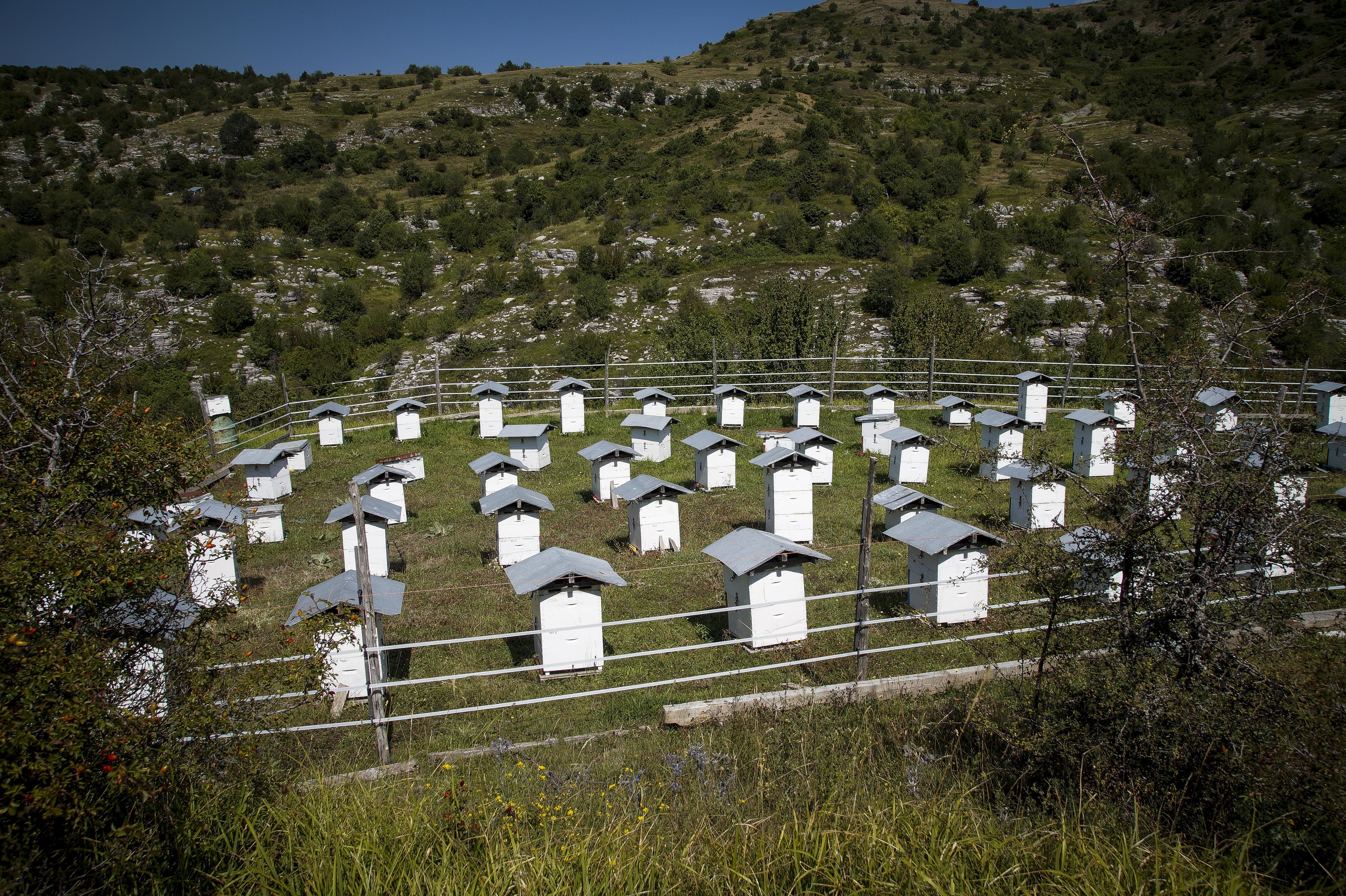
Certification bodies also came under scrutiny. The Hellenic Agricultural Organization ELGO-DIMITRA audited all 16 approved certification bodies, and financial penalties were imposed on six of them. The Hellenic Accreditation System (ESYD), the body responsible for certifying the certifiers, went further and suspended the accreditation of two bodies entirely. Inspectors also flagged cases where a single auditor had conducted an implausibly high number of checks in a single day, and instances where beekeepers who had declared 300 hives were found to have few or none on arrival.
In the wake of the findings, the ministry suspended payments to producers linked to penalized certification bodies, halted the approval of new certifiers, and closed the organic beekeeping and livestock programs to new entrants.
The affair has also drawn the attention of Brussels. Greece notified the European Commission’s Directorate-General for Agriculture (DG AGRI), which subsequently issued letters and recommendations calling for stricter oversight and institutional reform.
Looking ahead, the government has outlined a series of measures: canceling the organic livestock and beekeeping programs, freezing new organic actions under the 2021–2027 Rural Development Program, overhauling the regulatory framework, building a new inspections and sanctions system, and deploying digital tools to improve traceability of certifications. The approval of new certification bodies will remain suspended until the reforms are in place. Funding originally earmarked for the two canceled programs will be redirected to other schemes in coordination with the European Commission, with further announcements expected.
“The message is clear,” Schinas said. “It is neither fair nor legal for consumers to pay a premium for products labeled as organic that do not meet organic standards.”
Source: ot.gr