 Μake us preferred on Google
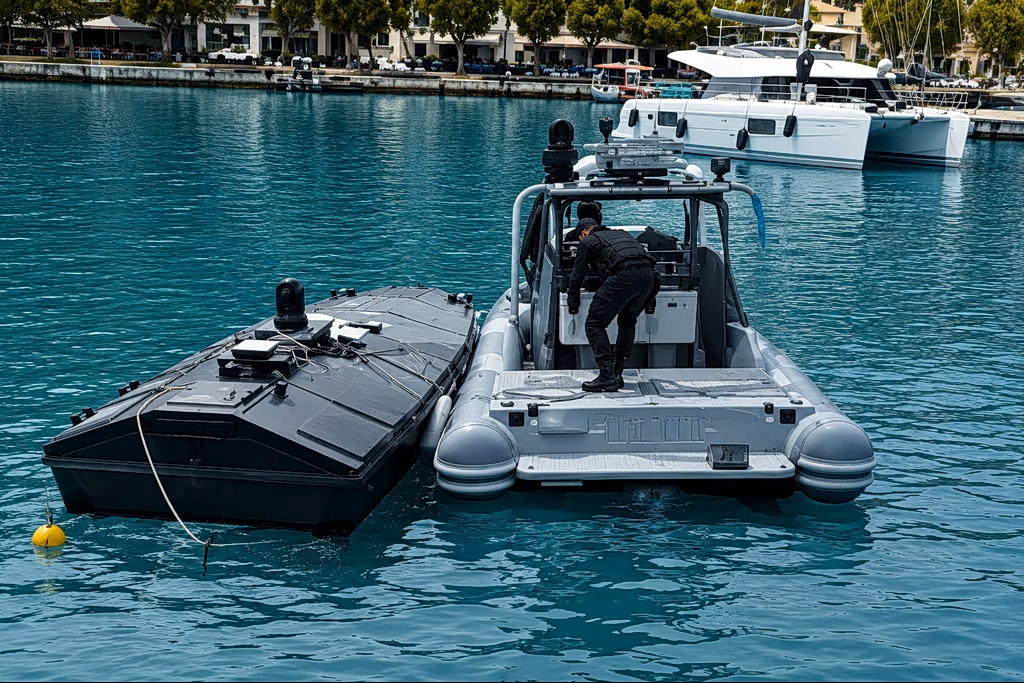
 Greek military experts have reportedly concluded that an explosive-laden unmanned surface vessel (USV) in a seclude cove on the Ionian Sea island of Lefkada was of Ukrainian origin, ostensibly from an analysis of its GPS data and serial numbers.
According to reports in local media on Wednesday, including in the Athens daily Ta Nea, investigators have completed the examination of the drone’s hardware and are now conducting a more detailed analysis of its software systems before finalizing an official report, which is expected by the end of the week. The findings are expected to be forwarded to the foreign ministry for possible diplomatic action.
Greek Defense Minister Nikos Dendias confirmed during a meeting of European Union defense ministers in Brussels that the maritime drone recovered in Greek waters was Ukrainian. He described the incident as “an extremely serious issue,” warning that the presence of such unmanned vessels threatens both freedom and safety of navigation.
Sources cited in media reports said Dendias raised the matter directly with his Ukrainian counterpart, Mykhailo Fedorov, stressing the potentially catastrophic consequences had the drone struck a cruise ship or another civilian vessel transiting the sea region. Ukrainian officials reportedly said Kyiv would review the matter and respond within several days.
Greek authorities are also examining whether the drone was launched from a nearby “mother ship” operating in the Ionian Sea and whether personnel may have been present on Greek territory to assist with remote guidance and operational surveillance.
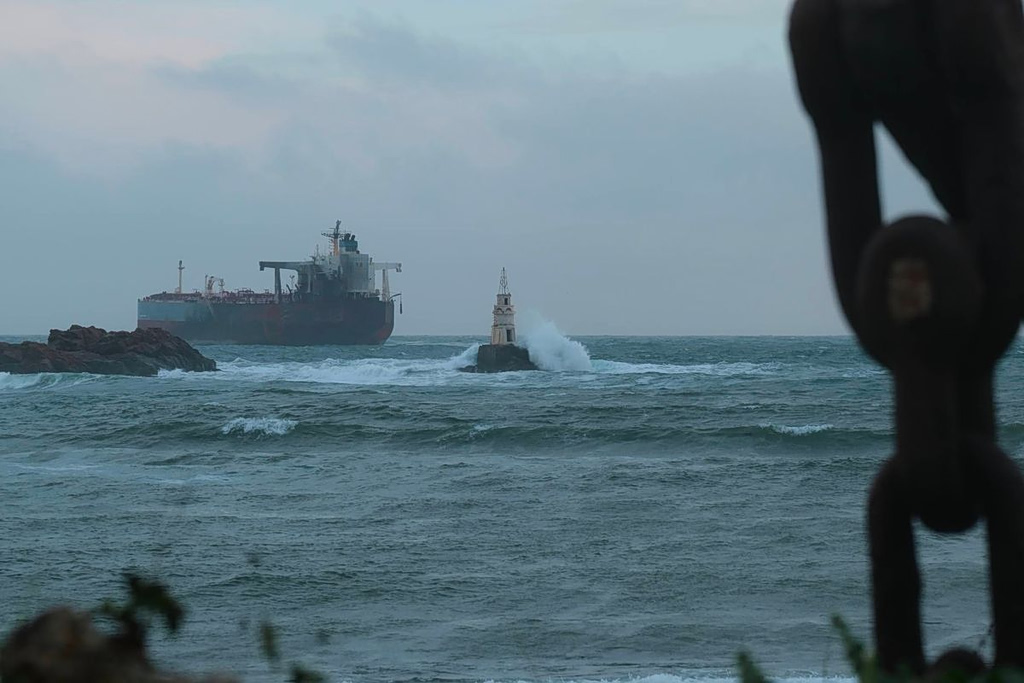
The oil tanker Kairos stranded off near the Black Sea port of Ahtopol, Bulgaria, Saturday, Dec. 6, 2025, after an alleged Ukrainian drone attack. (AP Photo/ Zdravko Vassilev)
The investigation follows days of heightened concern after fishermen discovered the drone near a coastal cave off Lefkada with its engine reportedly still running. The vessel was later transferred to military facilities for forensic examination.
Reporting over the past week said investigators believe the drone may have been intended to target a Russian-linked commercial vessel transiting the Mediterranean before losing guidance and drifting toward Greek waters.
The vessel resembles a Ukrainian-made Magura-type naval drone, and was equipped with communications systems, sensors and explosives. Greek security agencies, including the National Intelligence Service (EYP), were drawn into the investigation amid fears over the growing use of maritime drones in the eastern Mediterranean.
Analysts quoted in recent reports warned that such vessels are extremely difficult to detect because of their stealthy design and low profile above the waterline, particularly in rough seas. Concerns have also been raised that Greece’s naval surveillance posture remains concentrated in the Aegean, leaving fewer resources available for patrol operations in the Ionian Sea.