
 Μake us preferred on Google
Oleksiy, a technician at a Ukrainian power station, no longer keeps track of how often he has patched it up after Russian strikes. Still, he says the most recent attack did more damage than any before it and could cut off heat and power to a whole region this winter.
The missiles struck one morning earlier this month, ripping open the roof and walls of the plant, which belongs to DTEK, Ukraine’s biggest private energy firm. Boilers and turbines now lie under huge piles of debris that hundreds of employees have to remove by hand. DTEK allowed Reuters to visit but asked that the plant’s location be kept secret for security reasons.
Oleksiy, who gave only his first name, said workers are digging with shovels and wheelbarrows just to reach the machinery. Only once they can inspect it, he explained, will they be able to plan how to fix it.
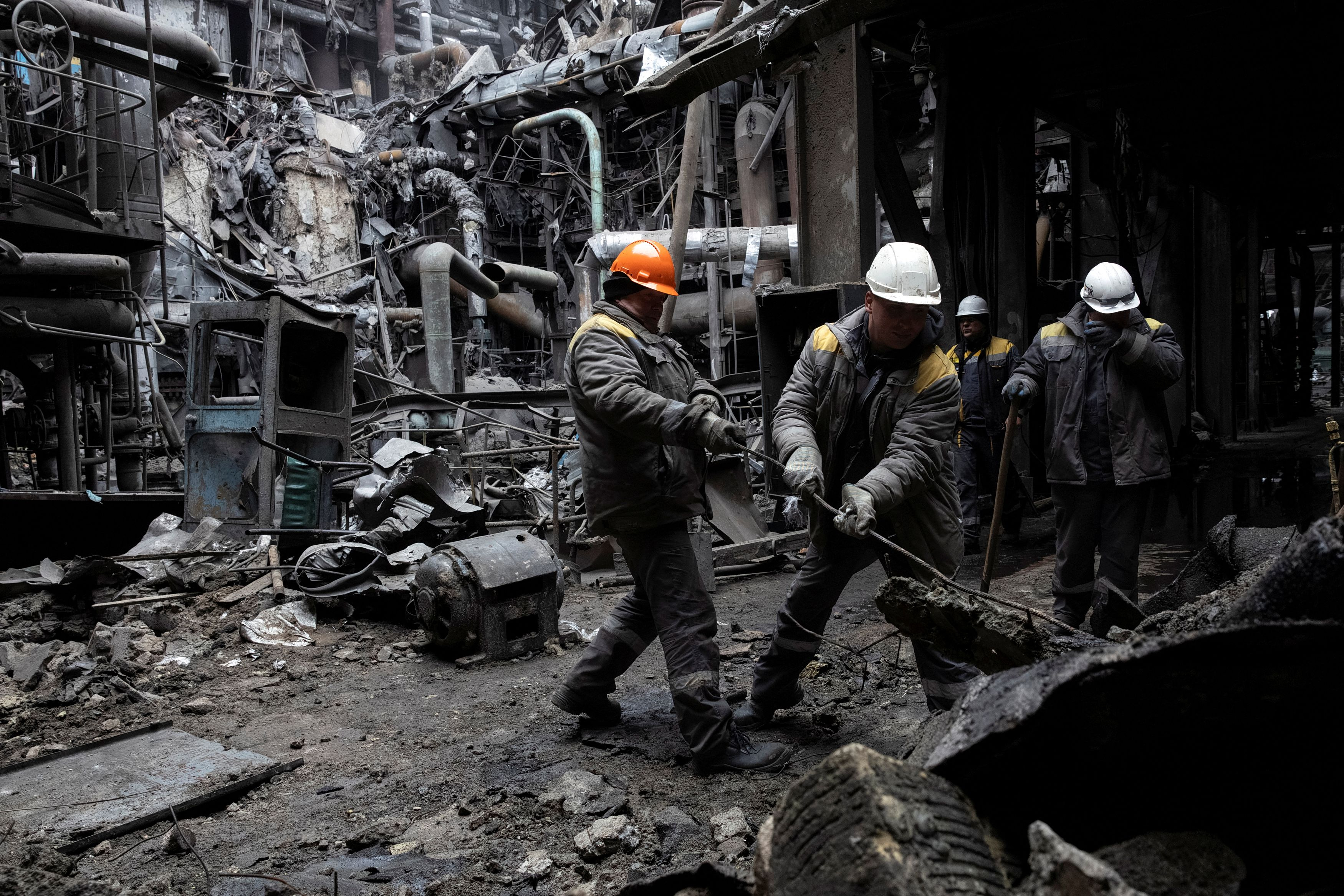
Workers clean up at a power plant of the energy company DTEK that was damaged during Russian attacks in an undisclosed location in Ukraine, amid Russia’s attack on Ukraine, November 11, 2026. REUTERS/Thomas Peter
A Harder Winter Ahead
Since the start of its full-scale invasion in 2022, Russia has tried each winter to turn the cold into a weapon by depriving millions of Ukrainians of heat and electricity. It stepped up major strikes on the energy sector again in mid-autumn, though Moscow says it does not deliberately target civilians.
This year, protecting the grid has become much harder. Amid a worldwide shortage, the United States has cut back shipments of Patriot interceptors, the only system Kyiv has that can shoot down Russian ballistic missiles. Russia’s new jet-powered attack drones, which are harder to intercept because they fly so fast, have stretched Ukraine’s air defenses even further.
The pace of attacks has picked up. Over the whole of last winter, the harshest of the war, DTEK’s five plants were hit hard 11 times. In November alone, the first month of this heating season, dozens of Russian missiles and drones have already struck three of the company’s plants and forced them offline.
Oleksiy said the Russians appear fixated on leaving Ukrainians without power and heat, but that his team keeps rebuilding whatever is destroyed. Since the war began, DTEK has had to restart its plants from zero more than 70 times.
Analysts warn that the heavier damage this year could make the coming months especially tough, and long blackouts are already hitting many cities, including Kyiv. DTEK chief executive Maxim Timchenko told Reuters it was hard to predict how fast the company could recover, so it is doing everything it can to keep enough generating capacity running to get Ukraine through the winter.
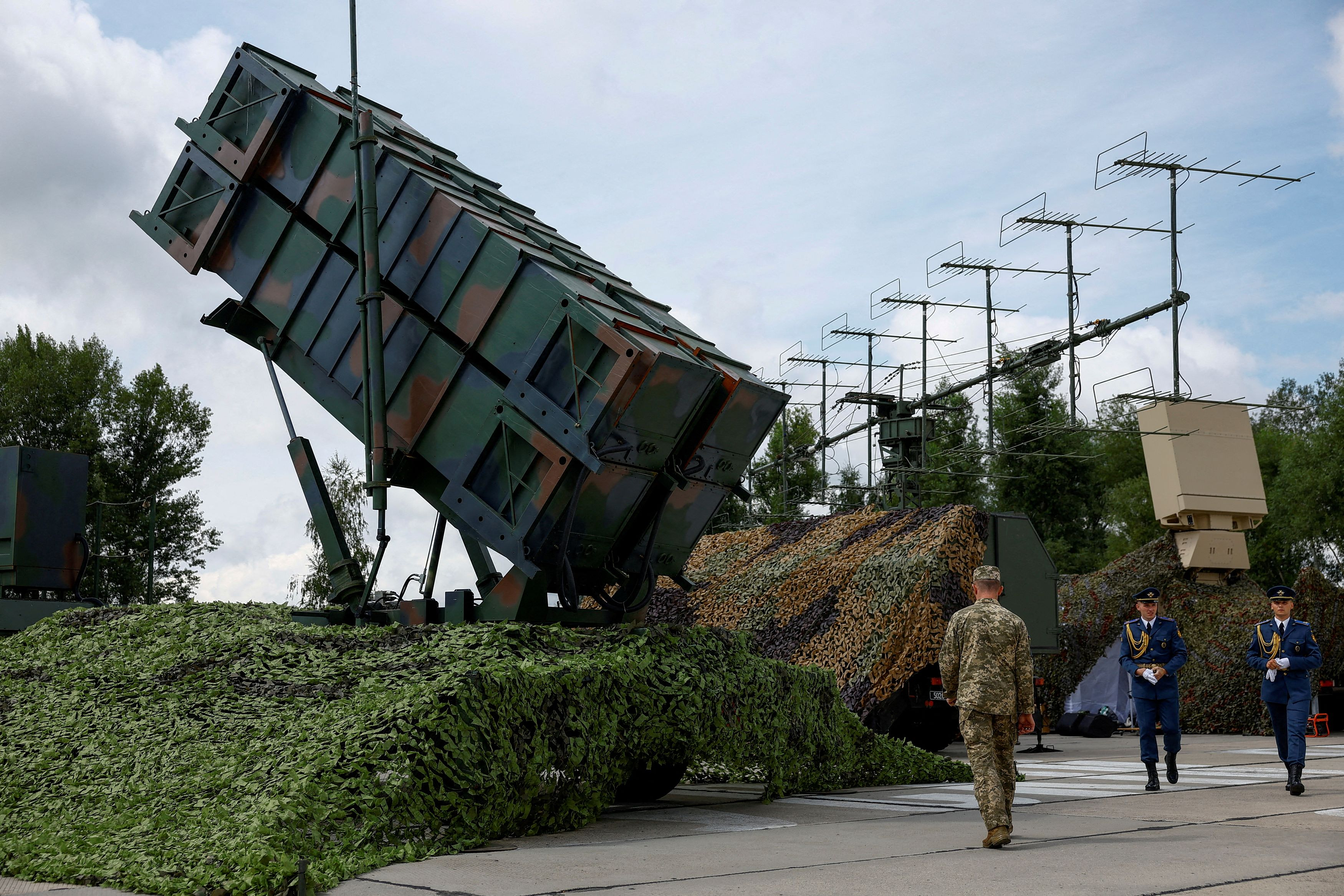
Ukrainian service members walk next to a launcher of a Patriot air defence system, amid Russia’s attack on Ukraine, in an undisclosed location, Ukraine August 4, 2024. REUTERS/Valentyn Ogirenko/File Photo
Life Under Fire
At the damaged plant, crews work by lamps hooked up to portable generators, smashing concrete and cutting through pipes to get at buried equipment. Mykhailo, a 46-year-old senior power-unit operator, said the sight brings him to tears because he remembers the plant fully lit and running.
Frequent air-raid alerts slow the cleanup, as workers must take cover in underground bunkers built in Soviet times to shield against possible NATO strikes. When sirens sounded during the Reuters visit, reporters joined dozens of workers in the cramped shelters, along with a few dogs that staff say also head there for safety.
Mykhailo said the hardest part is knowing that the missiles are aimed squarely at you. Getting home to his family at the end of the day, he said, brings a mix of fear and relief.
Power Lines In The Crosshairs
Thermal power plants supplied over 30% of Ukraine’s electricity before the war, but repeated strikes have sharply reduced their role, and the country’s three nuclear plants now produce most of its power.
DTEK, owned by Ukraine’s wealthiest man, billionaire Rinat Akhmetov, once ran eight thermal plants and led the country’s coal-fired generation. Russia has since seized or destroyed three of them.
After repairs over the summer, Energy Minister Denys Shmyhal predicted that Ukraine’s generating capacity would reach 19.6 gigawatts by November. That is about half the prewar level but roughly enough to cover last winter’s peak demand. Reuters was unable to verify whether that target has been met.
According to Timchenko, Russia has also shifted to hitting transmission lines. The aim is to stop electricity from plants still running in western and southern Ukraine from reaching central and eastern regions, where local generation has been badly damaged. Substations connecting nuclear plants to big cities have become key targets, although both sides have avoided hitting the nuclear plants themselves to prevent a catastrophe.
With the grid broken up, Kyiv and other central and eastern regions are going without power for as long as 18 hours a day. Plants in the west, meanwhile, have nowhere to send their output and are exporting large amounts of electricity to Eastern Europe. Kyiv-based energy think tank DiXi Group found that Ukraine’s power exports rose by just over 40% between November 2 and 8, at a time when up to two-thirds of Ukrainian consumers may have been without electricity.
Timchenko summed up the problem: Ukraine has enough generating capacity, he said, but cannot get the power to where it is needed.