 Μake us preferred on Google
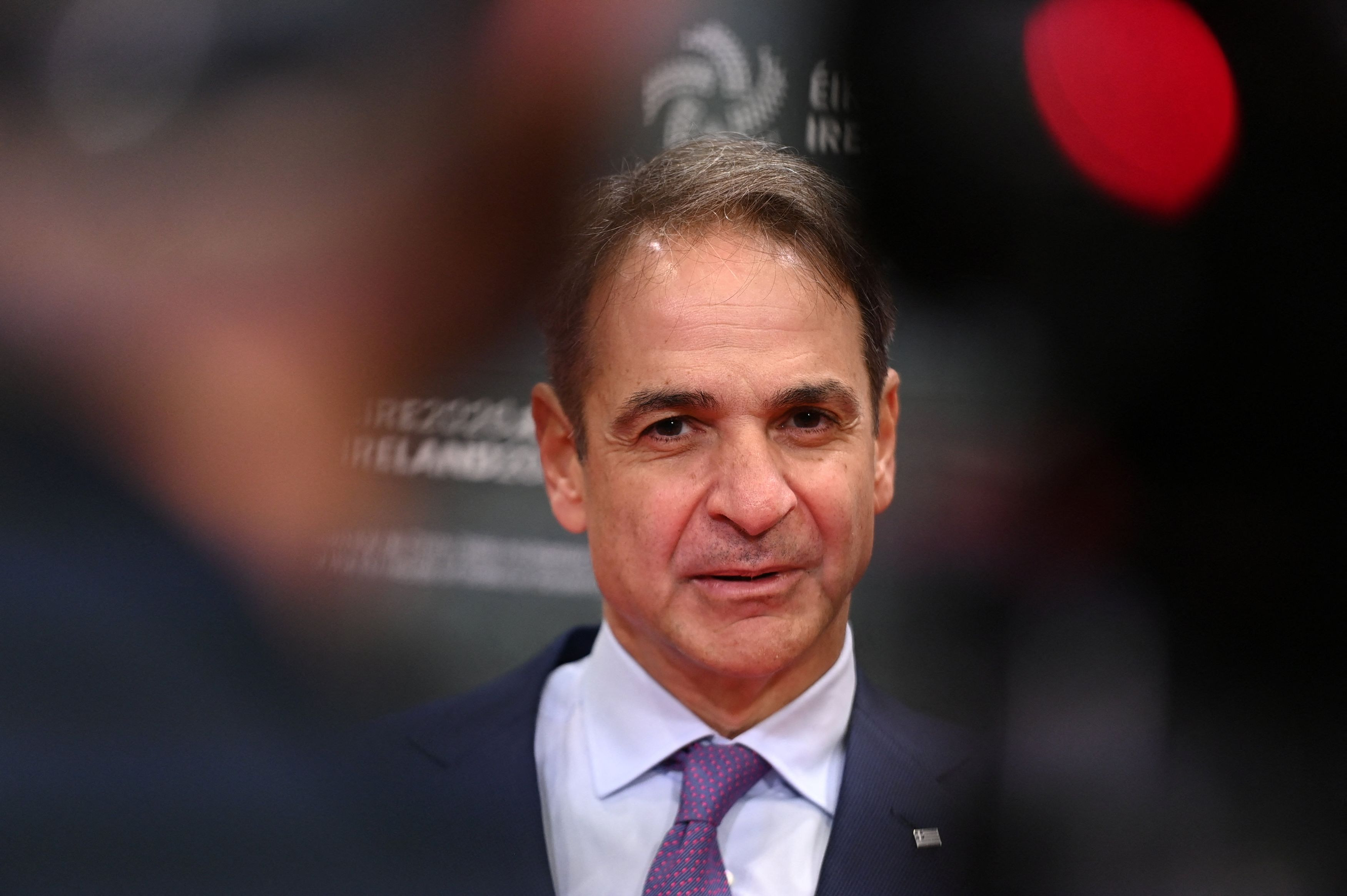
Prime Minister Kyriakos Mitsotakis wants every civil servant in the country to receive basic training in artificial intelligence within the next four years, as his government looks to expand the technology’s use across the public sector. Speaking on the sidelines of an informal European Council summit in Dublin, Mitsotakis said AI could transform the way government operates, particularly by improving productivity and reducing administrative costs. He also outlined his government plans to introduce the technology into public procurement, where the Prime Minister hopes AI will help speed up procedures, reduce spending and improve transparency in the awarding of state contracts.
Describing AI as a tool that “can change everything,” the prime minister argued that Greece had been at the forefront of developing a national strategy for the technology for several years. He also suggested that the government plans to raise the use of AI in public procurement during its upcoming presidency of the Council of the European Union.
AI in the Classroom
Mitsotakis also addressed the implications of artificial intelligence for employment and education, acknowledging that its growing use raises difficult questions for both. He maintained that schools should incorporate AI into teaching, while ensuring that students continue to develop their own critical thinking skills rather than relying on the technology to do the work for them.
The prime minister also called for dialogue with major technology companies over the challenges posed by AI, but said national governments must retain the ability to impose stricter rules when necessary. As an example, he pointed to Greece’s decision to prohibit children under 15 from accessing social media.
Mitsotakis Defends Controversial Social Media Ban
The blanket social media ban, which takes effect on Jan. 1, 2027, requires social media platforms to prevent children under 15 from accessing their services, with financial penalties for companies that fail to comply.
The Prime Minister in his comments suggested that Greece would become the only European country enforcing such a restriction through specific legal sanctions, arguing that the measure would force technology companies to change their practices. He accused social media platforms of using “addictive algorithms that exploit [children’s] vulnerability for the sole purpose of profit,” linking the restrictions to concerns about adolescent mental health.
The legislation, however, has proved contentious in Greece. Only the governing New Democracy party supported the measure in principle during the parliamentary debate. The center-left opposition PASOK abstained, while several other opposition parties voted against it. Criticism has centered on both the scope of the restrictions and the practical difficulties of enforcing them. Children may still be able to circumvent age checks, while the verification systems needed to implement the ban have raised questions about privacy and the collection of personal information. Critics have also challenged whether a blanket prohibition is proportionate, particularly when it does not directly address the design of social media platforms or the content and algorithms that the government itself identifies as harmful.
The Prime Minister concluded his remarks in Dublin by calling for a coordinated EU strategy on artificial intelligence, saying he expected Greece to play a leading role in its development.