 Μake us preferred on Google
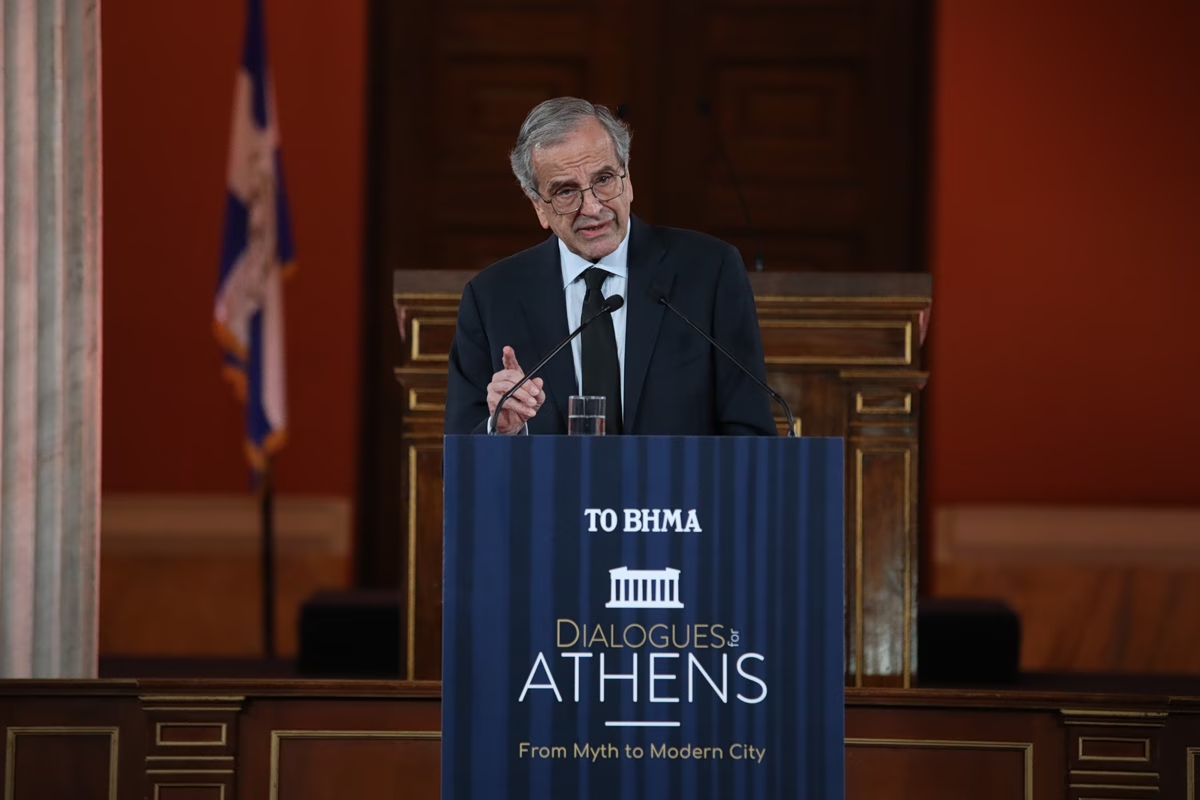
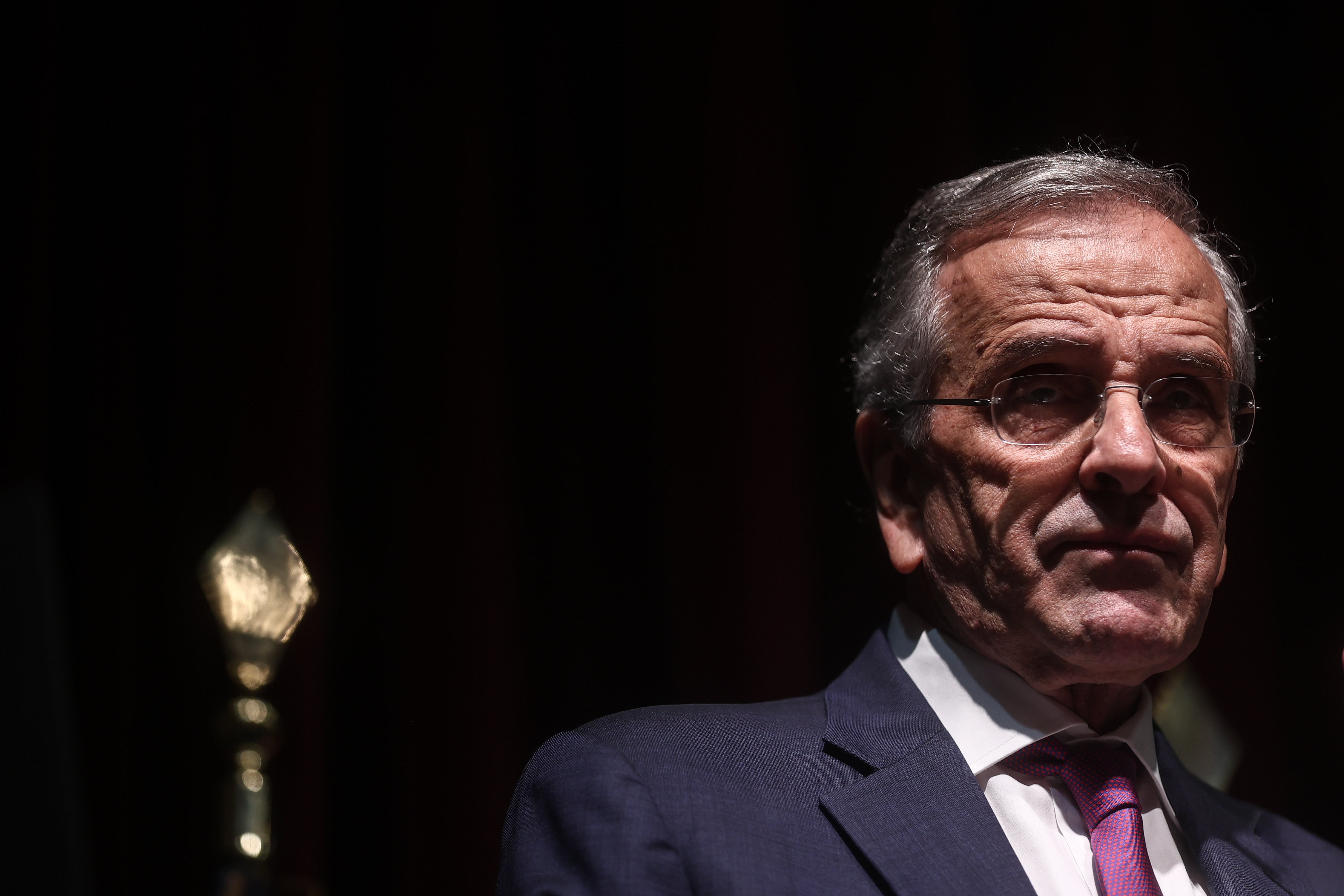
Former Greek Prime Minister Antonis Samaras has launched another fierce attack on Kyriakos Mitsotakis, accusing his government of appeasing Turkey over the planned electricity interconnection between Greece and Cyprus and demanding to know who authorized France to notify Ankara before a French survey vessel set sail. In a statement Friday, Samaras directed six questions at Mitsotakis and Foreign Minister George Gerapetritis over the diplomatic exchanges preceding the departure of the Abeille Marengo, the French vessel involved in seabed surveys for the electricity cable. At the center of his criticism is a French note verbale to Turkey, a formal diplomatic communication that Samaras argues raises questions about who authorized the notification, what Athens agreed to and whether Ankara is being allowed a say in activities involving Greek maritime areas. “On Oct. 25, I warned of the adverse consequences of accepting Turkey’s demand to be ‘informed,'” Samaras said. “Unfortunately, the government chose a policy of appeasement.”
Six questions over the French notification
Samaras went on to demand answers on who gave France the authority to approach Turkey on Greece’s behalf, when that decision was made and on whose instructions. He also questioned who approved the contents of the diplomatic note and why the French vessel had not departed before the Turkish side was notified.
Another point of contention is the role of NAVTEX notices, the maritime advisories used to inform vessels of activities at sea. “If Turkey was informed by France, then what purpose does each NAVTEX serve?” Samaras asked.
The former prime minister went further, asking why Athens had not lodged a diplomatic protest against France or suspended the French company’s authorization if the exchanges had taken place without the Greek government’s knowledge.
His final question concerned reciprocity: If Athens accepts that Turkey has a right to be informed, would the Greek government now demand similar notifications concerning Turkish activities?
Warnings of a new Imia crisis
Samaras reserved his strongest language for Mitsotakis and Gerapetritis, accusing them of conducting secret diplomacy that could lead to fresh concessions to Turkey. “The secret diplomacy of Mitsotakis and Gerapetritis is leading us toward another Madrid, another Helsinki and another Imia,” he said. The references invoke some of the most contentious episodes in modern Greek-Turkish relations, particularly the 1996 Imia crisis, when a dispute over sovereignty brought the two NATO allies close to armed conflict.
Samaras also accused the government of allowing Greek maritime areas to become subject to competing sovereignty claims and of tolerating what he described as Turkish attempts to impose faits accomplis.
He characterized the government’s approach as the “Prespa Agreement of the Aegean,” invoking the politically divisive agreement that settled Greece’s long-running dispute with North Macedonia over its name. Samaras argued that Athens was effectively handing control of its foreign policy to third parties, while accusing Greece’s allies of distancing themselves from responsibility.
He ended his statement with another warning to the government. “Many of us have spoken,” he said. “Woe to those who do not listen.”
This intervention marks the latest escalation in an increasingly bitter confrontation between Samaras and Mitsotakis, whose disagreements over foreign policy have become a defining feature of their political feud. Samaras, who served as prime minister from 2012 to 2015, was expelled from the governing New Democracy party in 2024 after publicly criticizing the government’s foreign policy. Since then, he has repeatedly accused Mitsotakis of taking an excessively conciliatory approach toward Turkey. His latest intervention comes amid continuing speculation that he is preparing to establish a new political party to the right of New Democracy.