 Μake us preferred on Google
Nvidia is the most valuable company to abruptly lose a leader so instrumental to its fortunes—but it is hardly the first.
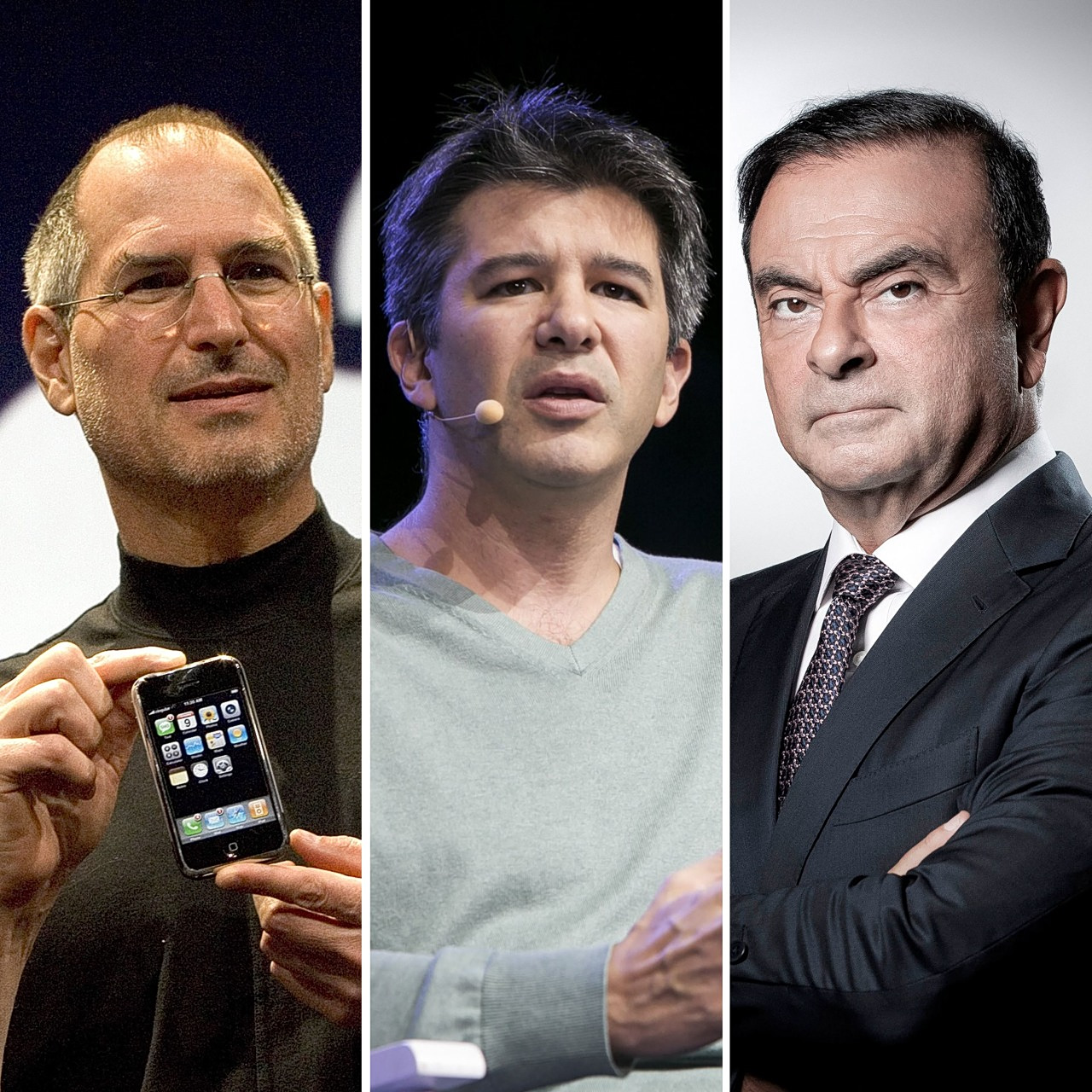
Apple lost founder-and-rescuer Steve Jobs to cancer. McDonald’s abruptly fired Steve Easterbrook , alleging an improper relationship with a subordinate. Nissan dropped Carlos Ghosn as chairman in 2018, just after police arrested him in Tokyo on allegations of financial misconduct and underreporting his income.
The danger of losing a seemingly indispensable leader is known as key-person risk in investor parlance, and some companies have lost hundreds of millions in market value after losing their key men. (An exception : Wynn Resorts , which saw its share price jump 8% the day after its eponymous founder, Steve Wynn , stepped down because of sexual misconduct allegations.)
The companies that rebounded relatively quickly picked the right successor—often a veteran operator more than a visionary, and someone unafraid of uncomfortable changes, leadership gurus say. “There’s no single playbook,” said James Citrin, head of global CEO practice at executive-recruiting firm Spencer Stuart. “The watchword is credibility.”
A look at how three companies managed:
Apple
Steve Jobs loomed so large over Apple as a creative genius that a staffer had a car with the vanity plate, “WWSJD”: “What Would Steve Jobs Do?” Tim Cook , his successor, overcame doubts by leaning in to his reputation as an operations guru and embracing a more deliberative management approach.
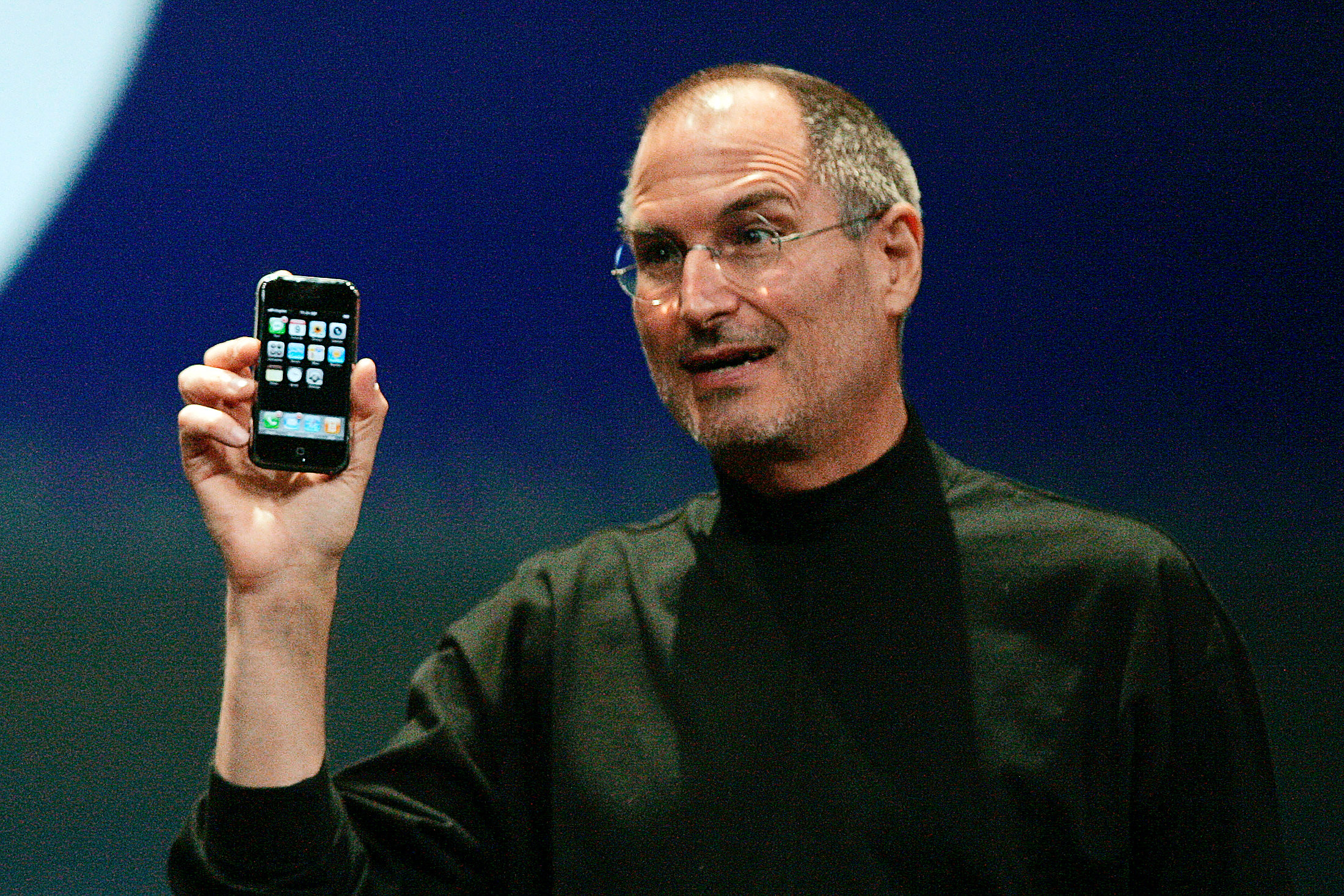
FILE PHOTO — Apple Computer Inc. Chief Executive Officer Steve Jobs holds the new iPhone in San Francisco, California January 9, 2007. REUTERS/Kimberly White/File Photo
“Let’s see what we can do with that,” staffers recall him often saying, in contrast with Jobs’s penchant for rejecting ideas outright.
Cook shared the spotlight with colleagues more frequently than Jobs, and delegated some creative decisions to others. Cook also made early moves that proved to be crowd pleasers, like issuing a dividend and buying back stock in 2012.
News Corp , owner of The Wall Street Journal, has a commercial agreement to supply news through Apple services.
It helped that Cook could turn to established CEOs on Apple’s board, including Disney’s Bob Iger and Gap’s Mickey Drexler , for advice, said Jeffrey Sonnenfeld , a Yale management professor.
But Nvidia is a different situation, Sonnenfeld said, since many of its current directors lack long-term experience running public companies.
(President Trump was one of a number of people to publicly suggest that Cook succeed Nvidia Chief Executive Jensen Huang . “A Legend replaces a Legend!” he posted on Truth Social.)
Uber
When Uber selected then- Expedia CEO Dara Khosrowshahi to lead it in 2017, the highflying startup was in turmoil on multiple fronts. Its brash co-founder, Travis Kalanick , had resigned roughly nine weeks earlier, after a group of investors banded together to oust him. Uber’s reputation was tattered by widespread claims of sexism and harassment.
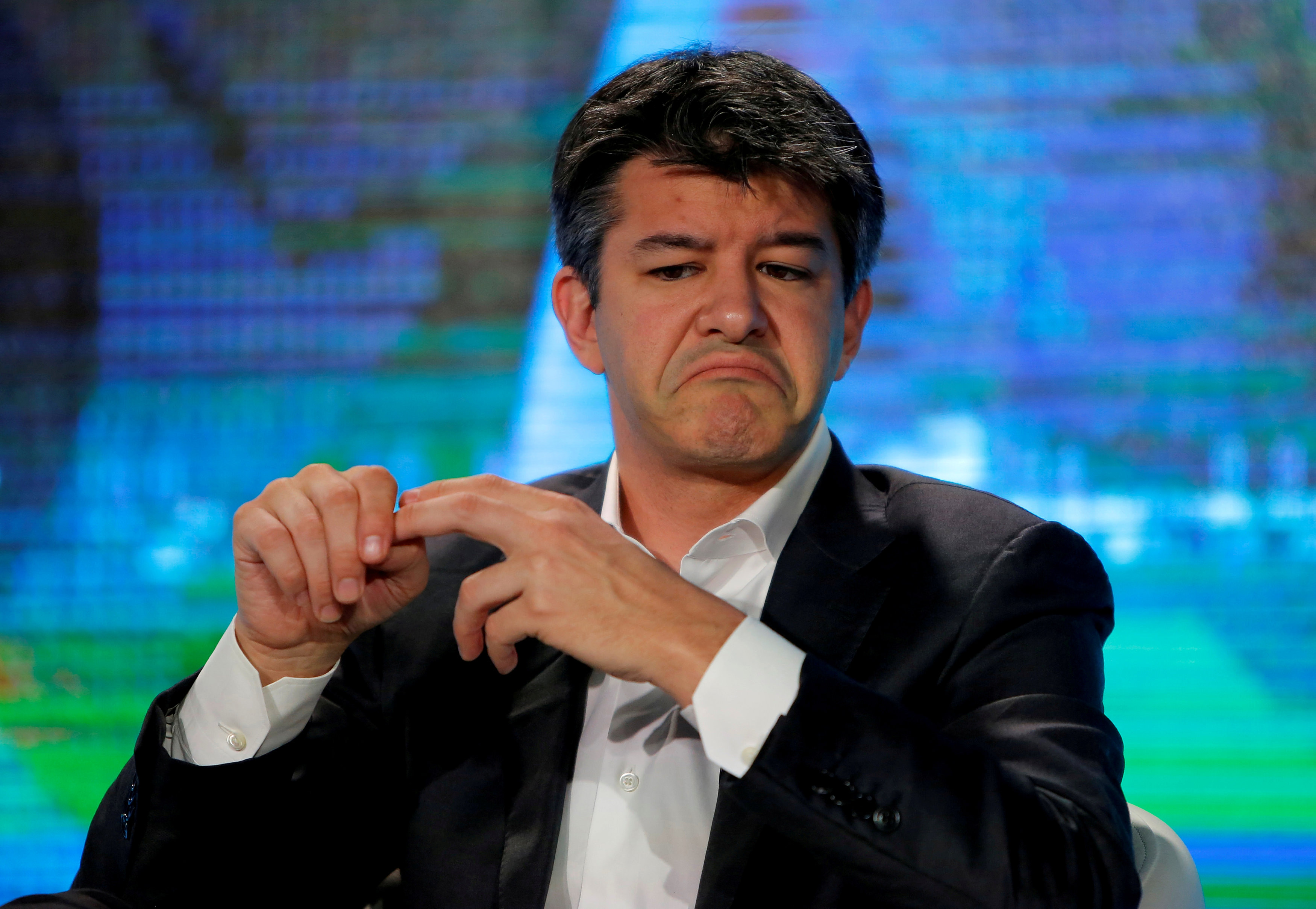
FILE PHOTO – Uber CEO Travis Kalanick attends the summer World Economic Forum in Tianjin, China on June 26, 2016. REUTERS/Shu Zhang/File Photo
Khosrowshahi, by contrast, was known as an even-keeled executive with a record of running a profitable company. Besides tasking him with fixing Uber’s culture, the board set a deadline for Uber to go public in 2019. That gave him just months to begin stemming billions of dollars in losses.
He installed his own leadership team soon after taking the helm, and shook up management more after a disappointing IPO. “A CEO transition is never just about the CEO,” said Alex Kirss, an analyst in Gartner’s human-resources practice. “It’s also about the team around them.”
Professionalizing Uber’s workplace required a balance. Khosrowshahi said he knew he had to change the company without alienating the talent he wanted to retain or throwing out the parts of Uber’s culture that had made it zing. “I’m here to pivot, not say that everything that you did was terrible,” Khosrowshahi said in a podcast interview recorded in 2022.
Nissan
After Renault and Nissan forged an alliance in 1999, one man maintained the balance of power: Carlos Ghosn. The Brazilian-Lebanese Renault executive crafted a turnaround strategy that brought Nissan back from the brink and ultimately led him to run both companies. Though the complex partnership could be tense on both sides, Ghosn’s tough personality and consolidated power held it together.
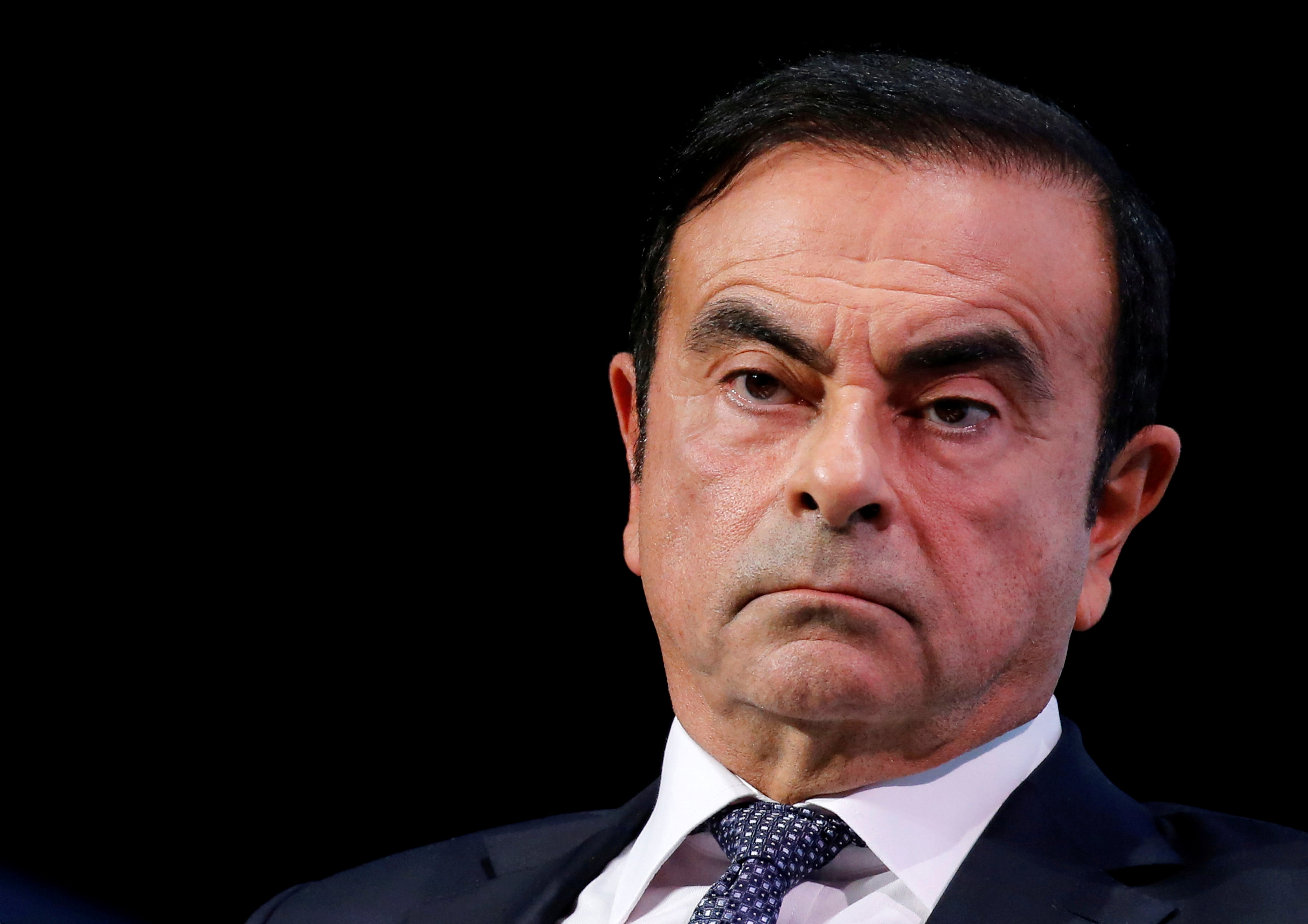
FILE PHOTO – Carlos Ghosn, chairman and CEO of the Renault-Nissan-Mitsubishi Alliance, attends the Tomorrow In Motion event on the eve of press day at the Paris Auto Show, in Paris, France, October 1, 2018. Picture taken October 1, 2018. REUTERS/Regis Duvignau/File Picture
Then came Ghosn’s 2018 ouster after allegations of financial misconduct and his dramatic escape from Japan to avoid prosecution. His exit left both companies with a power vacuum, an exodus of workers and plenty of infighting.
Renault is on its third CEO since 2019. Nissan has been through several leadership and strategic shifts as well, including an aborted merger with Honda , and remains mired in another turnaround effort. The Renault-Nissan Alliance remains in place—under restructured terms .
The companies did find common cause in one way, Yale’s Sonnenfeld said: “They all distanced themselves from Carlos Ghosn.”
Write to Chip Cutter at chip.cutter@wsj.com and Theo Francis at theo.francis@wsj.com