
 Μake us preferred on Google
 Oil prices slipped roughly 1% on Thursday, marking a third straight day of declines, after Qatar announced that indirect talks between Iran and the United States had produced encouraging results on issues tied to the Strait of Hormuz, the waterway that carried a fifth of the world’s oil supply before the recent conflict.
Brent crude fell 73 to 84 cents depending on the session, trading around $70.77 to $70.84 a barrel, while U.S. West Texas Intermediate dropped a similar amount to land near $67.67 to $67.75 a barrel.
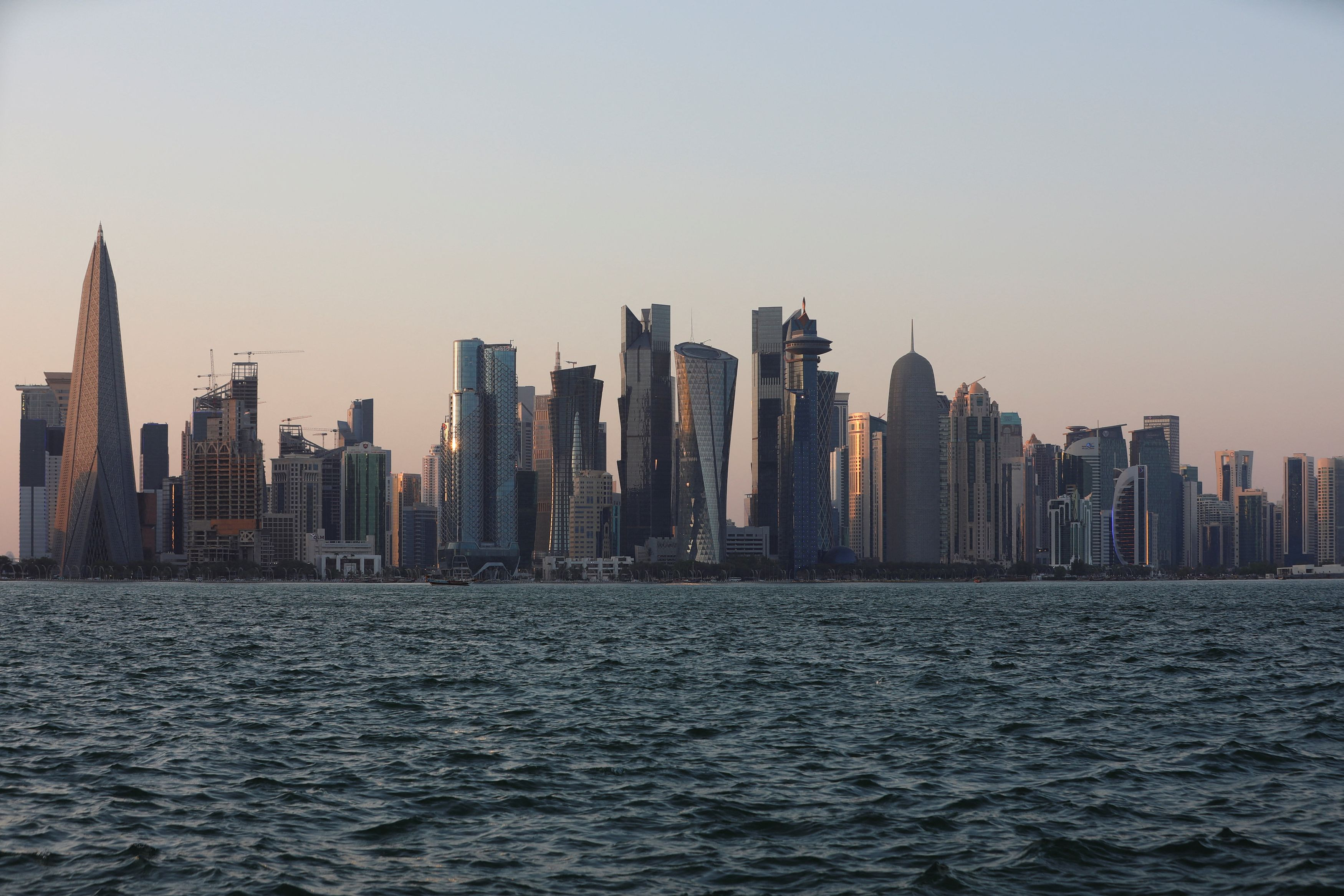
A spokesperson for Qatar’s Foreign Ministry said on social media that the discussions yielded solid headway on matters connected to the memorandum that ended the war in June, though there was no indication the two sides were any closer to a lasting peace agreement. President Donald Trump separately told reporters that the talks in Qatar were going well.
The negotiations, which ran two days in Doha, brought together U.S. special envoy Steve Witkoff and Jared Kushner with Qatari mediators rather than direct engagement with Iranian officials. The renewed diplomatic effort followed a weekend flare-up in which Iran struck two commercial vessels, prompting retaliatory U.S. strikes inside Iran, an episode that had briefly put a 60-day ceasefire at risk.
Two senior Iranian sources said Tehran remains intent on securing international recognition of its authority over the strait, by force if necessary, and has repeatedly signaled it plans to start charging tolls on shipping in mid-August once the toll-free window under the original agreement runs out.

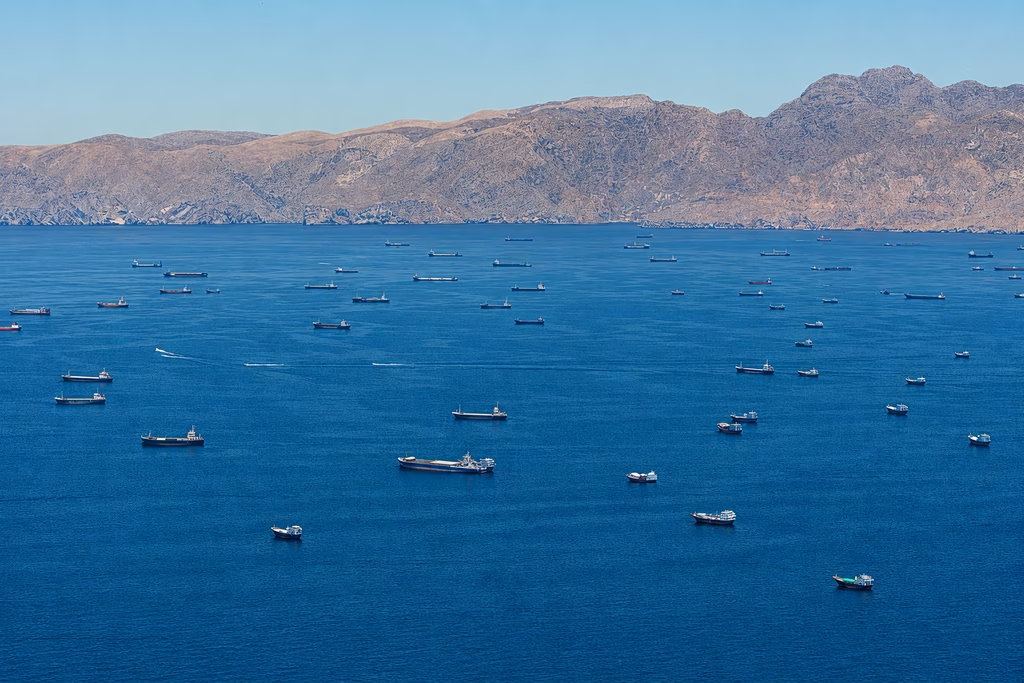
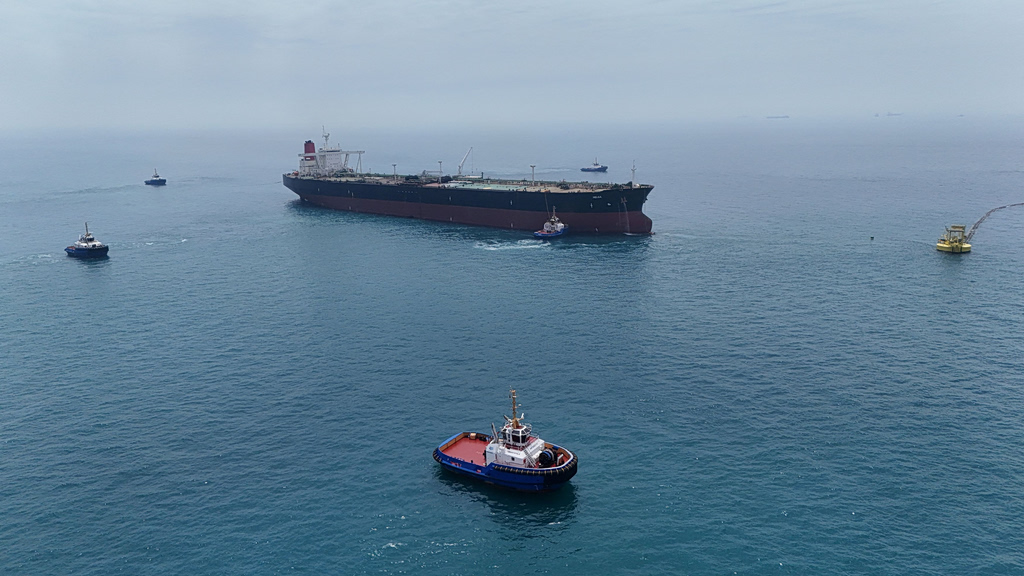
Vessels are anchored in the Strait of Hormuz as seen from Musandam, Oman, June 3, 2026. REUTERS/Stringer
Tanker traffic through the strait has meanwhile been recovering, with U.S. Vice President JD Vance saying flows have returned to pre-war levels, though he didn’t provide specific figures.
Analysts pointed to a broader supply story as well. With the strait remaining open and crude continuing to flow, Haitong Futures said in a note that growing expectations of oversupply and competition for market share are adding further downward pressure on prices. ING added that markets remain fairly confident Gulf oil supplies will keep normalizing despite the recent bouts of military tension.