 Μake us preferred on Google
 Brent crude topped $100 a barrel for the first time since July amid fears of prolonged supply disruptions as fresh U.S.-Iran attacks and Iranian missile fire into Jordan added to an escalating conflict that has also spread to Saudi energy infrastructure through renewed Houthi strikes.
Front-month Brent crude oil futures rose 2.2% to $100.06 a barrel, while front-month West Texas Intermediate crude oil futures advanced 1.8% to $94.70 a barrel, before both contracts edged back slightly.
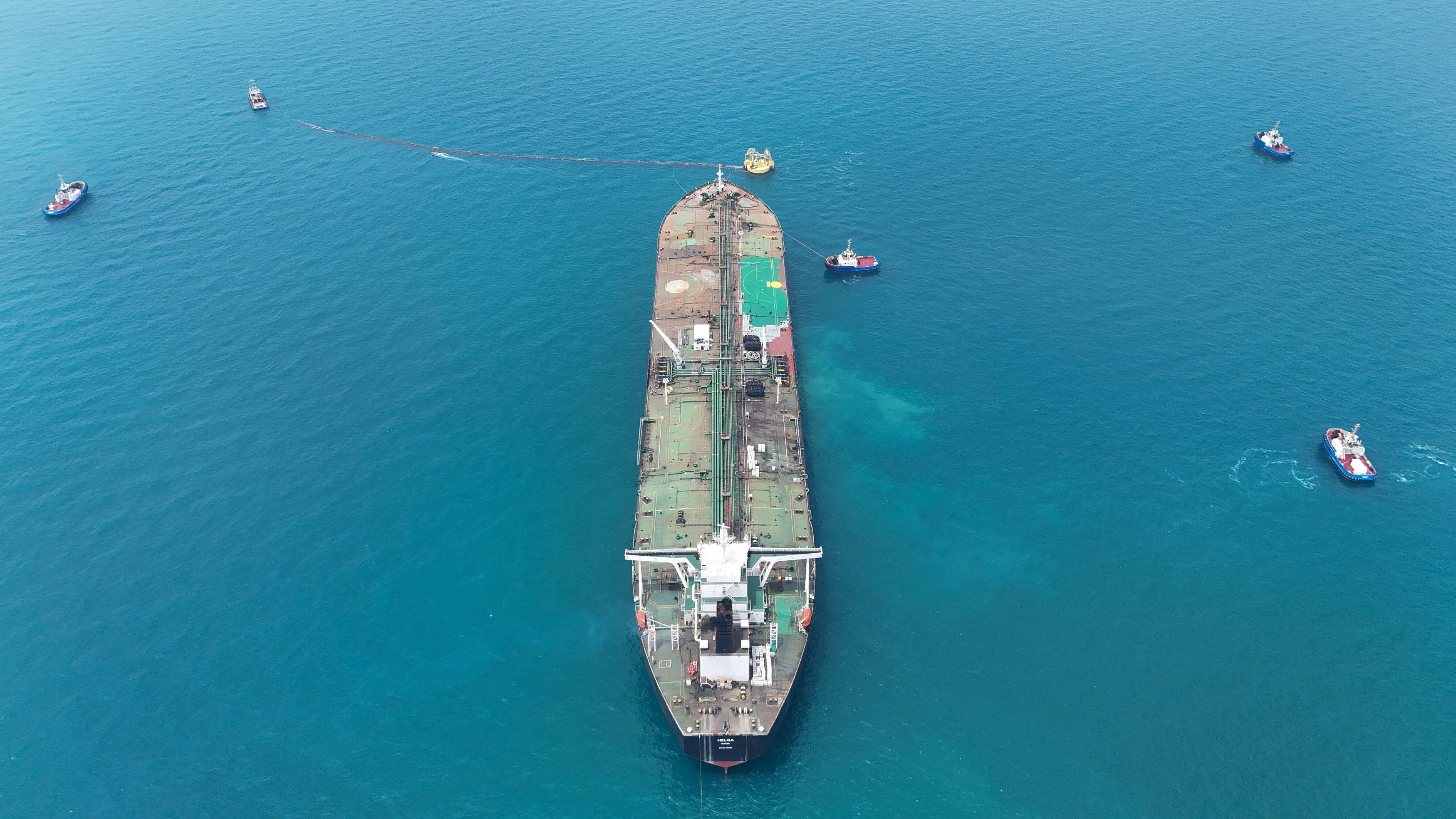
The U.S. military destroyed five Iranian oil tankers Tuesday after fresh Iranian attempts to strike U.S. warships in the Middle East, The Wall Street Journal reported. The strikes hit four vessels in the Gulf of Oman and another near Kharg Island, the hub through which most Iranian crude exports usually leave the country.
Iran retaliated overnight with a ballistic-missile attack from Iranian territory into Jordan. Jordan’s armed forces said its air defenses engaged 20 ballistic missiles and destroyed 18, while two fell in unpopulated areas. No casualties were reported.
The conflict has also widened further into the Arabian Peninsula. Houthi military spokesman Yahya Saree said Tuesday on X that the group launched dozens of ballistic missiles and drones at Saudi Aramco facilities in Abha, Najran and Jazan, as well as King Khalid Air Base in Khamis Mushait.
The Saudi-led coalition and other Gulf governments blamed the Houthis for attacks on civilian and economic sites in Abha, Khamis Mushait, Jazan and Najran. Qatar’s Foreign Ministry also condemned continued Houthi attacks on commercial vessels in the Red Sea and warned that they threatened the security and freedom of international maritime navigation.
The widening attacks are keeping a substantial geopolitical premium embedded in crude prices. ING analysts Warren Patterson and Ewa Manthey said the latest escalation reinforces the view that negotiations remain some way off. With Brent close to $100 a barrel, they said it appeared only a matter of time before the benchmark tests that level.
Beyond the immediate geopolitical premium, the physical market is also losing some of the buffers that helped absorb the initial supply shock. Rystad Energy said the oil market has coped better than initially expected because of inventories, alternative export routes and shifts in Chinese buying. But with inventories now declining, Chief Economist Claudio Galimberti said that resilience is becoming a growing market risk.
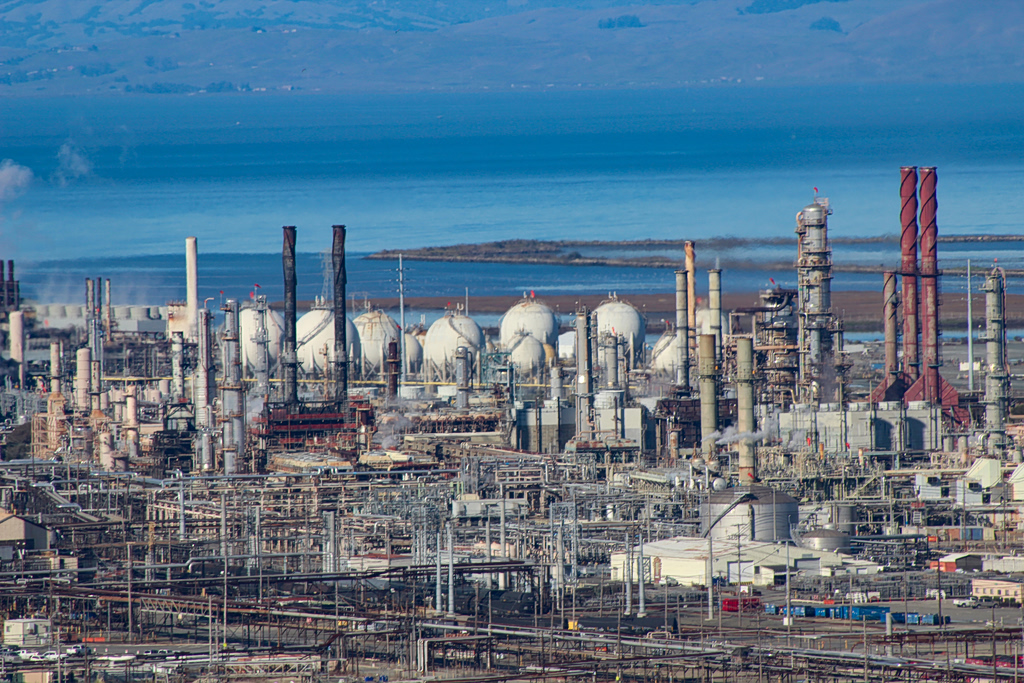
That strain is particularly acute for refiners dependent on Gulf crude grades. S&P Global Commodity Insights said the conflict has exposed a shortage of medium and heavy sour crude, which is harder to replace with the lighter barrels available from alternative suppliers.
Write to Farhan Rafid at farhan.rafid@wsj.com