
 Μake us preferred on Google
When two Nordic leaders called Russian President Vladimir Putin last month, their official order of business was to discuss ending the war in Ukraine.
But Finnish President Alexander Stubb and Norwegian Prime Minister Jonas Gahr Støre had another urgent mission: preventing a clash with Russia in their own backyard, said people familiar with the matter.
The Baltic Sea had become one of the world’s most dangerous potential flashpoints between Moscow and the West, and the two leaders wanted to ease tensions by reassuring Putin they had no intention of cutting off a vital shipping route for Moscow.
Russia ships more than 60% of its seaborne oil through the Baltic Sea, providing a lifeline for its wartime economy. But the sea is surrounded by North Atlantic Treaty Organization members. The potential for conflict was highlighted in recent days by a Ukrainian drone attack on a Russian cargo ship near Finland. Coordination between Finnish and Russian authorities to rescue and recover the ship helped prevent the situation from escalating.
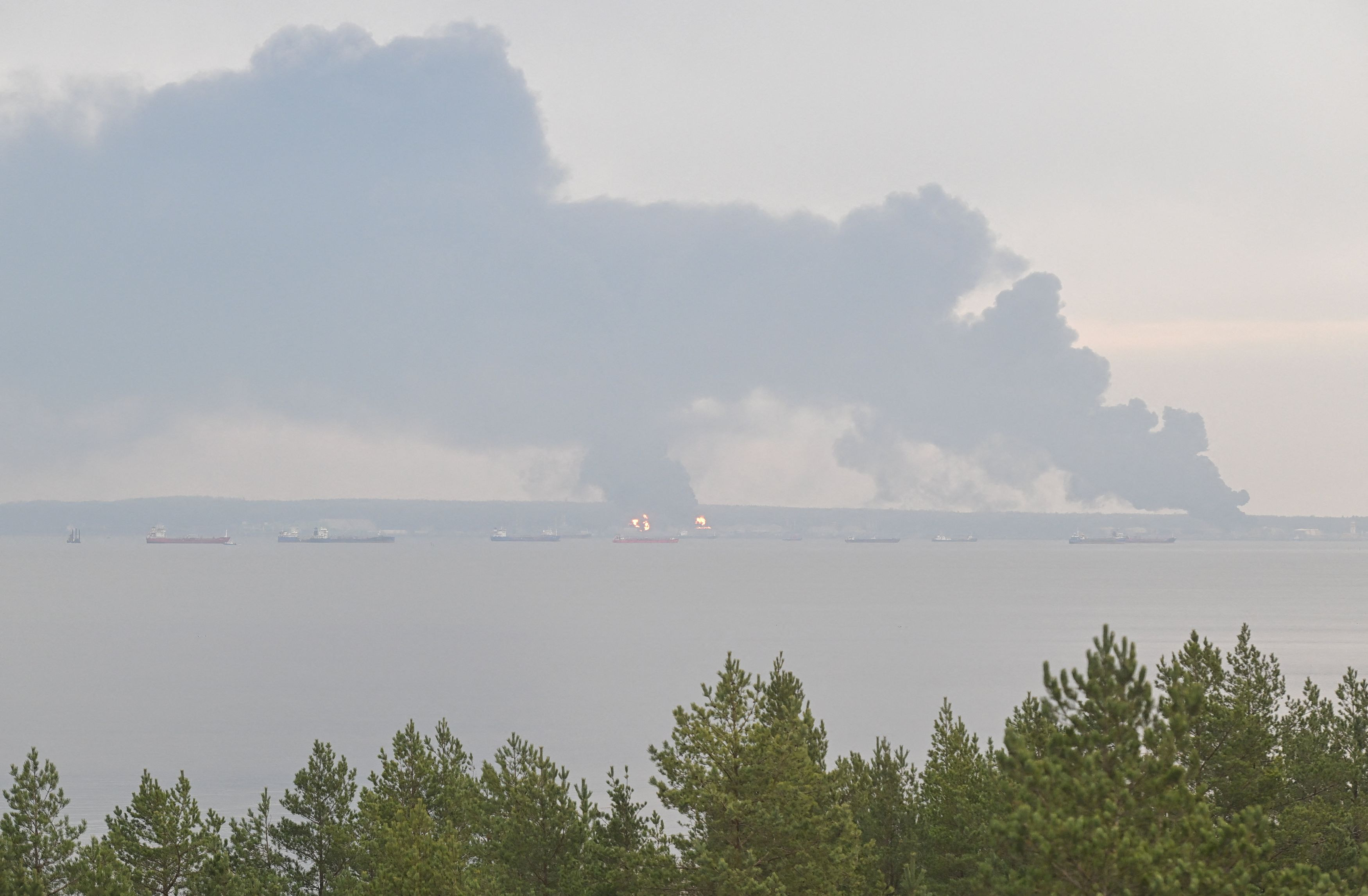
Smoke from a fire rises above the port area of Ust-Luga on the Baltic Sea following what regional authorities described as a drone attack, amid the Russia-Ukraine conflict, in the Leningrad region, Russia, November 11, 2026. REUTERS/Stringer
But in recent months, Western officials say, Moscow took an alarming series of steps that signaled deepening fears in Moscow about a potential blockade.
Russian warships carrying nuclear-capable missiles had been ordered to escort its oil tankers through the Baltic and prevent Western navies and coast guards from boarding them, according to Western officials and statements by Russian officials. In just over a year, the German coast guard registered 260 such escorts in the Baltic and the North Sea.
In May, Russia passed new legislation allowing for military force to be used to protect commercial vessels. Moscow had reinforced its exclave on the sea, Kaliningrad, with drones, powerful radars and electronic-warfare equipment, according to Western intelligence officials.
In August, Putin called European efforts to confront tankers “piracy and banditry” and vowed a military response. A month later, the Kremlin delivered an extraordinary written warning to NATO: Russia was prepared to launch pre-emptive nuclear strikes to defend its interests in the Baltic—even without an attack on Russian territory. The warning was earlier reported by Reuters.
“We have no intention of blockading the Baltic in peacetime, you can rely on that, we will act in accordance with the law,” Stubb told Putin in the Oct. 27 phone call, according to two people present for the conversation.
The Kremlin didn’t respond to a request for comment.
One of the things contributing to rising tensions in the Baltic was interceptions of Russia’s shadow-fleet tankers, which Moscow uses to evade Western sanctions on its oil exports. Suspected Russian shadow-fleet tankers have been seized or boarded at least 14 times since late 2024, including 10 early this year, according to a tally of publicly reported incidents. But interdictions in the Baltic largely stopped earlier this year after Russia’s navy began confronting Western ships that were attempting to stop the tankers.
A confrontation between the Russian Baltic Fleet, the German coast guard and Greenpeace activists this summer provided a stark illustration of the risk of escalation over Russia’s stepped-up efforts to protect the shadow-fleet.
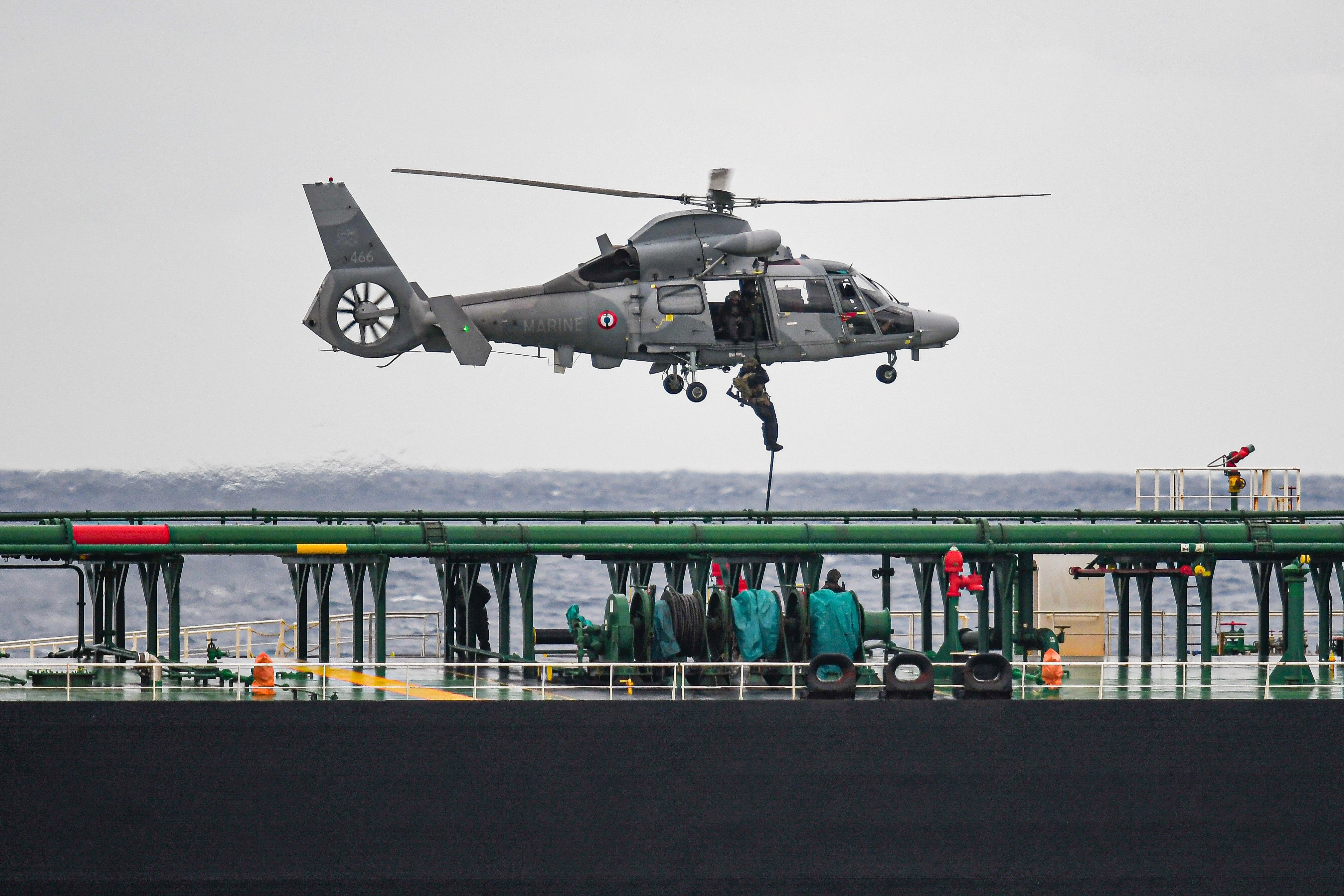
In this photo, provided by the French Army on Friday, March 20, 2026, an helicopter of the French navy boards a tanker in the Mediterranean suspected of being part of Russia’s shadow fleet. (Etat-Major des Armees via AP)
On June 30, when speedboats with the activists approached a shadow-fleet tanker—the Panama-flagged Kira K—a Russian warship apparently mistook them for coast guard boats that were planning to board the ship and raced to intervene.
“Here speaks Russian warship 531, stay away from the Kira K,” the Russian captain of the Soobrazitelny warned the German boats over an open maritime channel, according to a recording released by Greenpeace.
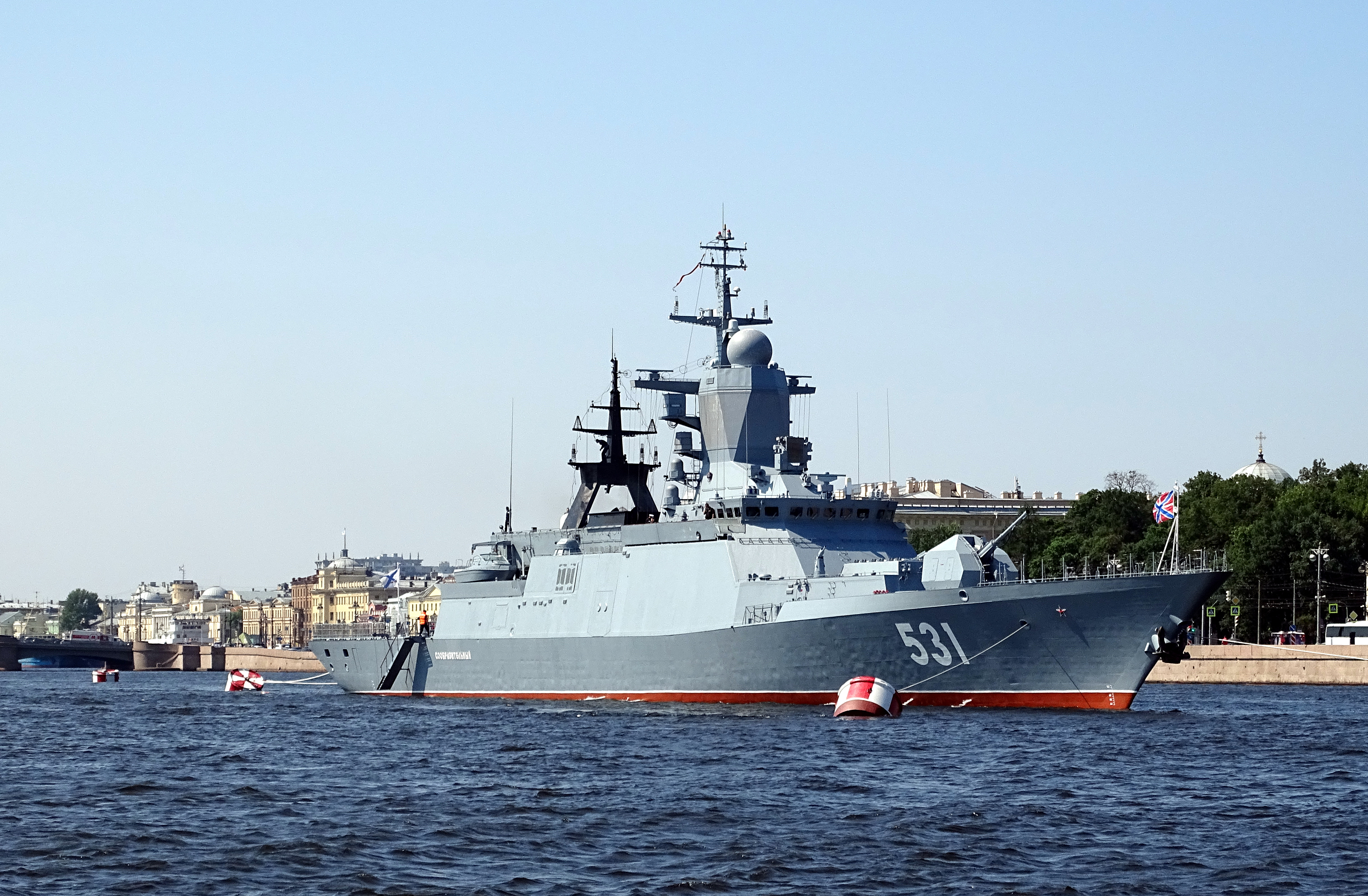
The corvette Soobrazitelnyy of the Russian Baltic Fleet anchored at Saint Petersburg. July, 2018
A nearby German coast guard vessel, the Bayreuth, raced to shield the activists from the warship. The German commander was able to defuse the situation by reassuring the Russian warship that the speedboats were civilian protesters and nobody was planning to board the shadow-fleet tanker.
The German coast guard captain later described the incident to his superiors as having a high risk for escalation, according to two officials. Greenpeace said the Russian warship felt “threatening to all of us,” and led it to scale back the protest to avoid escalation.
A German lawmaker who was aboard one of the Greenpeace speedboats argued that German authorities should be stopping shadow-fleet tankers despite Russian efforts to protect them. “The escalation comes from Russia, not us, and we must not be intimidated,” Thomas Röwekamp, the conservative chairman of the German parliament’s defense committee, said in an interview.
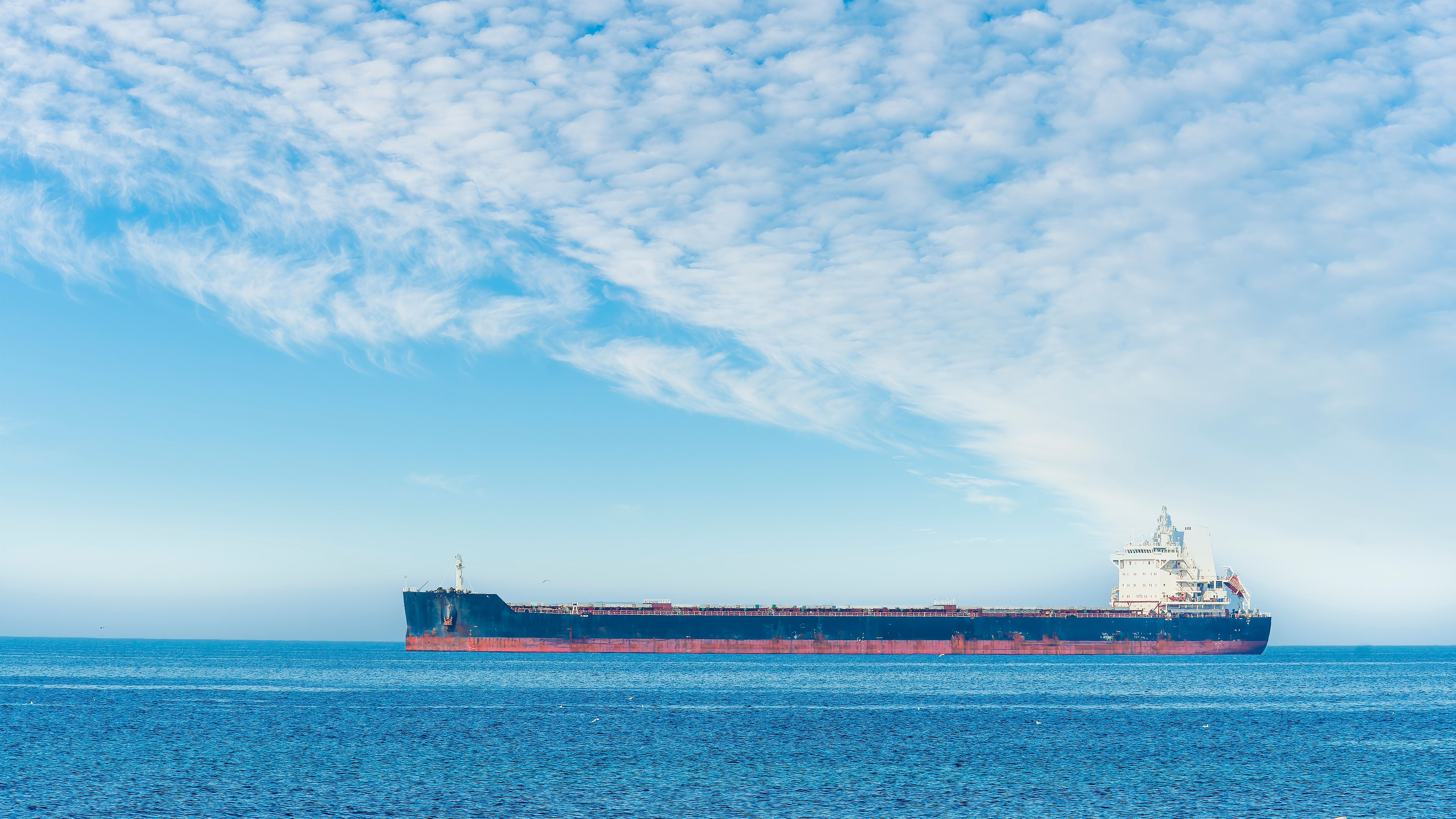
Oil tanker of russia shadow fleet used for transportation of petroleum products despite sanctions against Russia. Credit: Photo Magistr, via Shutterstock
The confrontation wasn’t an isolated incident. On Sept. 14, the same Russian warship that confronted the Greenpeace flotilla fired signal flares at a Danish military helicopter monitoring the corvette. On Oct. 18, two Russian warships prevented the Danish and German coast guards from approaching a tanker that suffered an engine malfunction off the island of Bornholm.
Comments from Western officials also fed Moscow’s fears about Western intentions in the Baltic, according to Western officials.
On Sept. 11, Polish Foreign Minister Radosław Sikorski suggested NATO stage military exercises near Kaliningrad so “aggressive” that Putin would fear an attack and be forced to divert troops from Ukraine. Days later, Estonian Foreign Minister Margus Tsahkna said at the United Nations that “Estonia, Finland, also NATO” could close the Gulf of Finland “within hours.”
“Any blockade of the Baltic or Kaliningrad could not be prevented by conventional means,” said Alexander Voloshin, Putin’s onetime chief of staff who now works in the private sector and occasionally assists the Kremlin’s diplomacy with the West. Since Russia’s forces are tied up in Ukraine, the Kremlin would have no choice but to respond with “immediate, pre-emptive nuclear strikes,” he said.
In late October, Pentagon officials warned Baltic counterparts to tone down the rhetoric about targeting Russia in the region to avoid a flare-up, according to European and U.S. officials. The Pentagon didn’t respond to a request for comment. The warning was reported earlier by Reuters.
Western officials scrambled to convince Moscow that NATO had no intention of imposing a blockade. Finland summoned the Russian ambassador in an effort to defuse the crisis.
But Stubb feared the message wasn’t getting through, according to officials familiar with his thinking. They turned to a Russian oligarch with a direct line to the Kremlin. The man traveled to Norway for consultations with top officials before returning to Moscow to convey a message to Putin, these people said.
Days later, both leaders spoke to Putin, seeking to dispel his fears of a naval blockade.
Afterward, Putin publicly praised the two leaders but suggested that “someone” wanted to turn the Baltic into another Strait of Hormuz, where the U.S.-Iran war had temporarily disrupted oil shipments and sent energy prices soaring. “We don’t want that, but we will respond to any challenge,” Putin said.
If a confrontation went too far, he warned, “there will be no winners.”
Stubb’s reassurance that Finland would adhere to the law of the sea in its dealings with Russia was tested in recent days when Ukrainian drones attacked a Russian cargo ship.
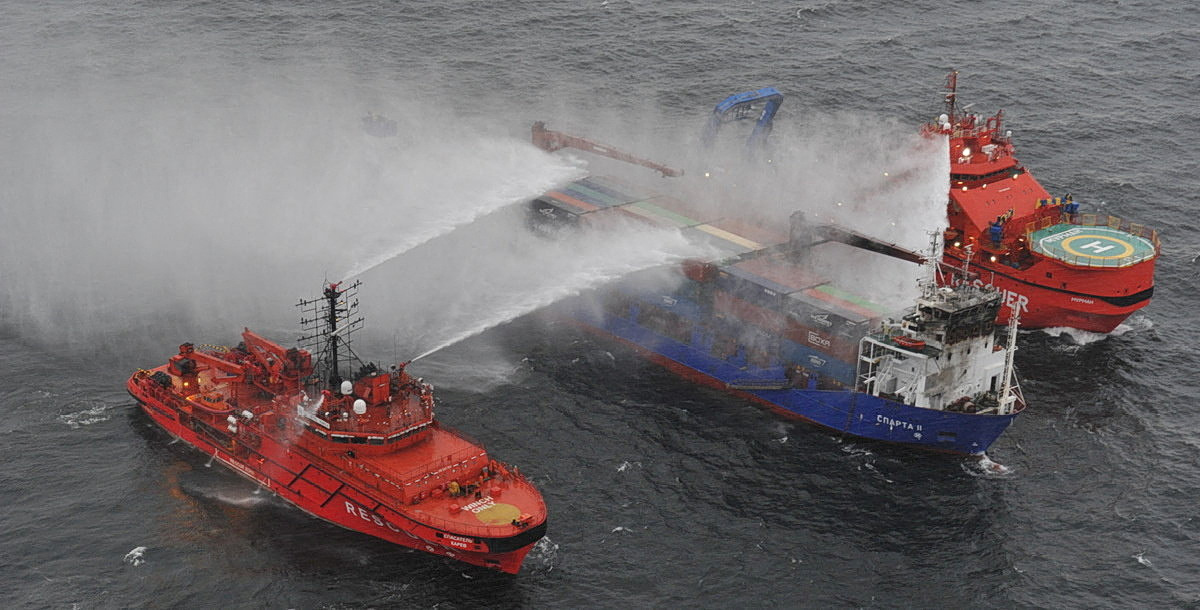
Finnish Border Guard’s handout photo of the Russian cargo ship Sparta II as the extinguishing of the fire continues in the Gulf of Finland November 22, 2026. Finnish Border Guard/Handout via REUTERS
Ukrainian President Volodymyr Zelensky told Bloomberg, in an interview published Tuesday, that the ship was a legitimate target because it was carrying weapons but he knew some of Kyiv’s European partners were worried about the Baltic. He said Ukraine struck the ship in Russian waters but it had drifted into Finnish waters.
Finnish authorities launched a rescue operation in coordination with Russia. The fire was extinguished and the Russians were allowed to tow away the disabled ship, Finnish officials said.
Kremlin spokesman Dmitry Peskov said Monday that the attack on the cargo ship escalated tensions in the Baltic, and Russia expected Baltic states to use their influence over Kyiv to stop such assaults.