
 Μake us preferred on Google
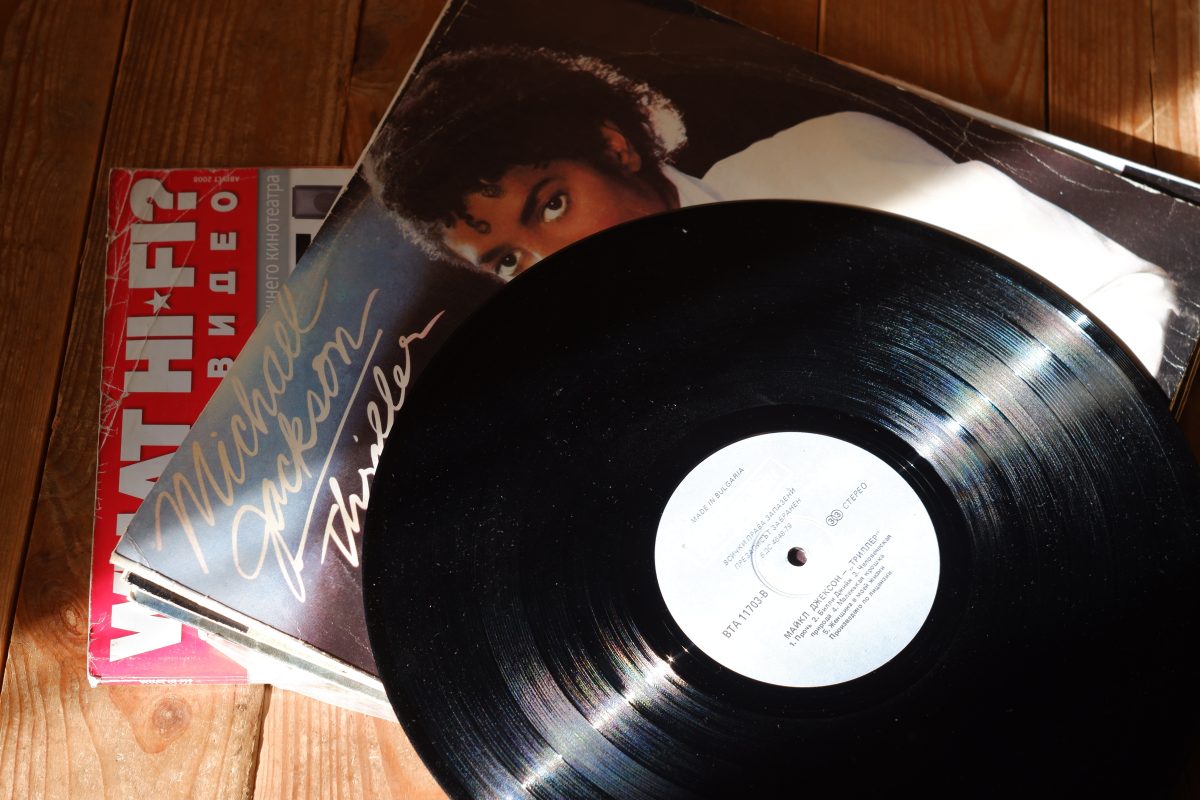
 Michael Jackson showed off his signature move, the moonwalk, on television in 1983, skimming backwards across the stage to his No. 1 hit “Billie Jean.”
On May 14, almost exactly 43 years later, the track was No. 1 again, prancing to the top of Spotify’s global chart following the release of the biopic “Michael.” Jackson’s toughest competition for streaming supremacy has come from Justin Bieber’s 2012 single “Beauty and a Beat.” Dominic Fike’s “Babydoll,” which came out in 2018, has lingered in the top 10 after crowning the chart in March.
It’s a record year for oldies. More listeners across generations are turning to songs from the past, according to “Retro Revival,” a new report from the entertainment-data company Luminate.
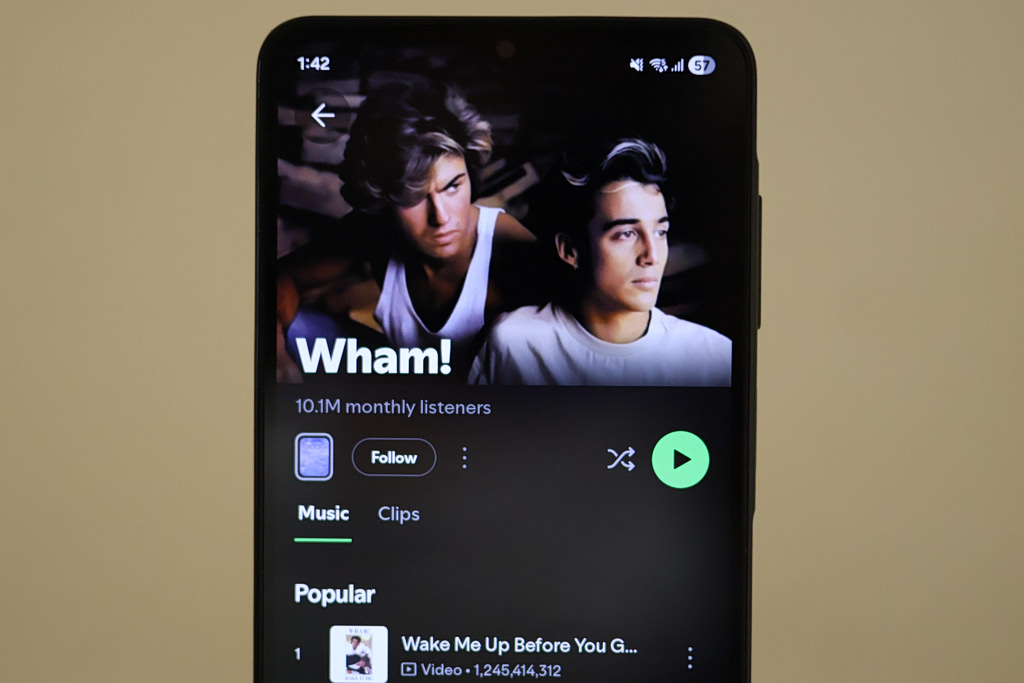
Spotify has observed a similar trend: From January through April, around one out of every three streams on Spotify went to songs at least a decade old, and roughly one out of every six went to a track at least two decades old. Affinity for older tunes is up significantly from 2016, which marked the peak “for new music dominance on Spotify,” according to a company spokesman. He called 2026 “the most nostalgic year” in the history of the platform, which launched in the U.S. in 2011.
“There’s a lot less friction to discovering new songs,” said Matt Bailey, founder of the music analytics company Hit Momentum. “You have people in their 20s who are getting nostalgic for 10 years ago—they’re remembering those good times back when things were simpler. And there’s kind of been a malaise with current music that makes older music more attractive.”
All this gazing backward is enabled by the widespread use of streaming. In the past, listeners were largely limited to hearing what was on the radio and whatever older albums were available at their local record store. Now, music’s recorded history competes equally with the newest releases—Ella Fitzgerald is as accessible as Ella Langley . TikTok can pluck tracks out of obscurity and make them white-hot (Connie Francis’s “Pretty Little Baby”) or reanimate the hits of previous generations (Fleetwood Mac’s “Dreams”). Popular entertainment from “Saltburn” to “ Heated Rivalry ” sends viewers flocking to retro soundtrack selections.
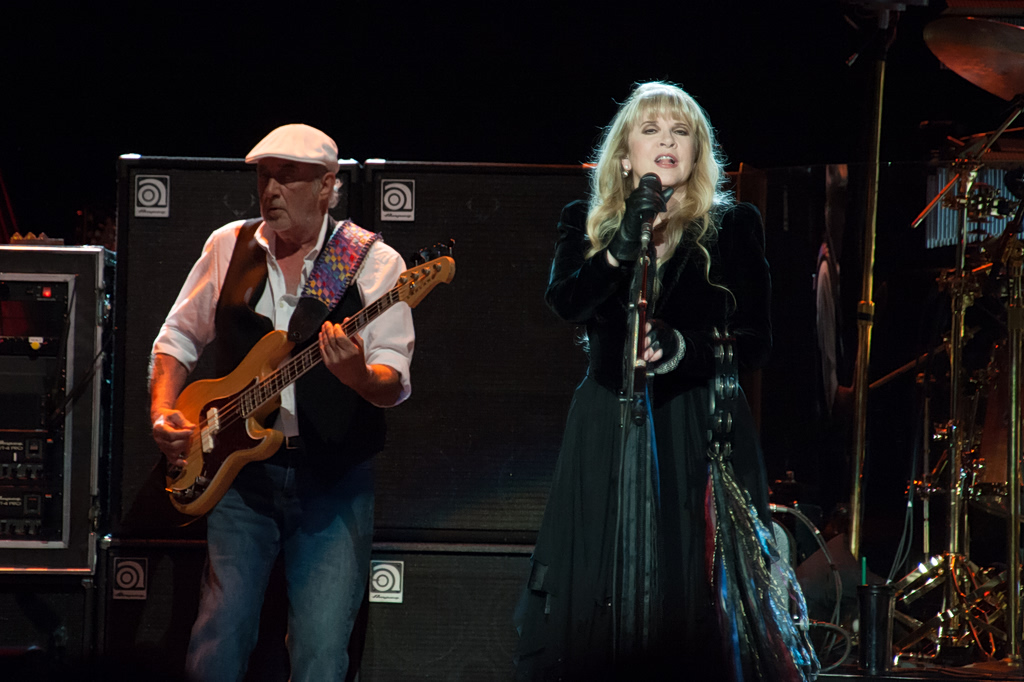
SACRAMENTO, CA – JULY 6: John McVie (L) and Stevie Nicks of Fleetwood Mac perform in support of the bands’ Extended Play release at Sleep Train Arena on July 6, 2013 in Sacramento, California.
The increased interest in throwbacks is not a death-knell for new music. In 2025, nearly 48% of on-demand streams went to tracks from the 2020s, according to Luminate. Still, its latest report indicates that the portion of 13 to 24-year-olds who say they primarily listen to songs from the 2020s has dropped from 55% in 2021 to 44% in 2025. The share of that group who are drawn most to tracks from the 1990s or earlier rose from 18% to 25%.
“These older songs and artists create a vibe and atmosphere,” said Logan Peterson, 25, who plays around 20,000 minutes of the Rolling Stones every year.
As more listeners get their kicks from oldies, vintage hits have infiltrated Spotify’s chart in greater numbers. In 2019 and 2020, over 90% of the songs on its Global Top 50 had been released in the last two years. That fell to 68.8% in the first four months of 2026, the company said. May 11 was a stunner: Seven of the top 10 songs on the platform were more than two years old.
Rob Jonas, Luminate’s CEO, suggested that this uptick might be part of a larger societal recoil against AI’s creep into every aspect of society, including the arrival of AI music. “You’ve got to see that as a contributing effect,” he said, driving listeners back to tunes made long before that technology became commonplace.
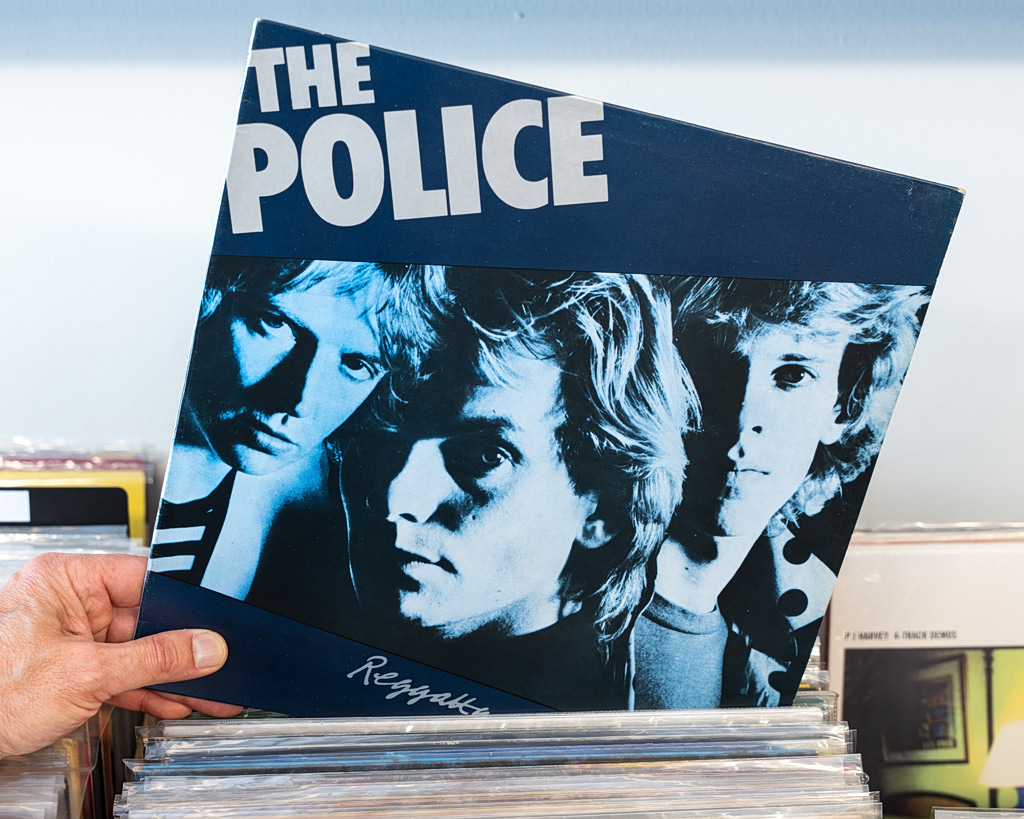
Rock’s commercial struggles in the streaming era may also be spurring fans of the genre toward old standbys. Songs that have settled on Spotify’s chart for extended periods include “Dreams” (1977), “Every Breath You Take” by the Police (1983), “Creep” by Radiohead (1992), “Iris” by Goo Goo Dolls (1998), “Yellow” by Coldplay (2000) and “Mr. Brightside” by The Killers (2003).
“All those songs are in my playlists,” said Ray Valencia, a 44-year-old Killers die-hard. “There aren’t a lot of rock artists out there right now where it feels like, ‘I’ve got to follow this dude.’”
Throwbacks are enjoying a resurgence in other genres as well. Katy Perry’s “The One That Got Away,” a wistful pop hit from 2010, was irrepressible on Spotify in May, reaching as high as No. 8 on the global chart.
Two years ago, Perry put out a new album titled “143,” which failed to yield a major new single. “We thought those songs were hits, but they didn’t connect,” said Chris Anokute, a veteran executive who worked on the project. “It’s so hard to break new records now.”