 Μake us preferred on Google
 Iran asserted control over the vital waterway after the U.S. and Israel attacked Iran on Feb. 28. As part of the cease-fire negotiated with the U.S. this month, Iran told mediators that it would limit the number of ships crossing to around a dozen a day and charge tolls. President Trump has said the cease-fire requires the full opening of the strait.
Shipowners from Greece, China, India and Pakistan are negotiating crossings with the Islamic Revolutionary Guard Corps, Iran’s powerful paramilitary group, according to brokers and shipowners. Toll payments, which have to be negotiated in advance, go as high as $2 million for the biggest supertankers. Iranian ships are exempt.
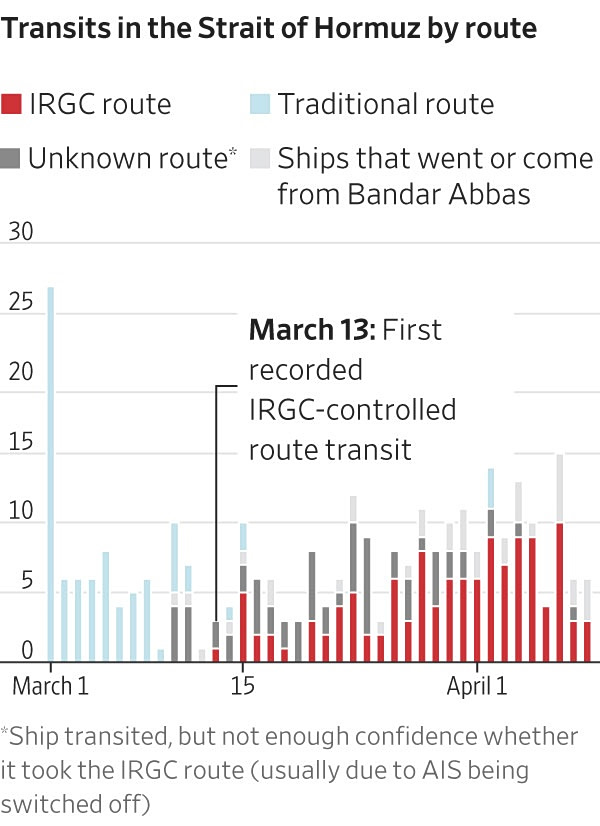
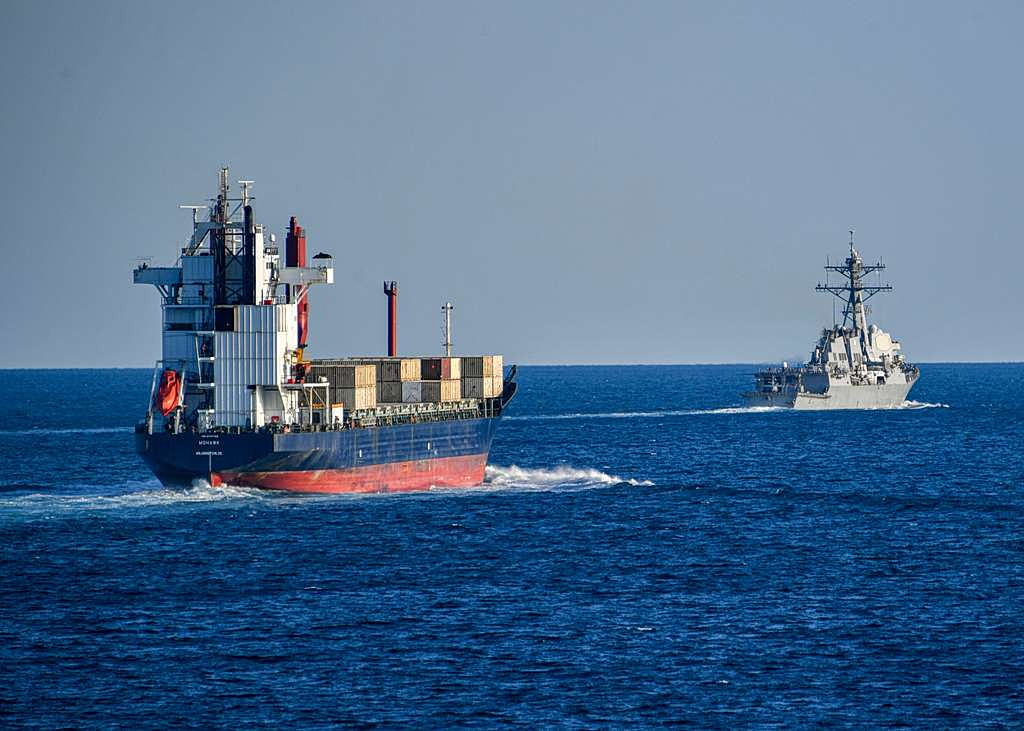
Ships cross only after negotiations with the IRGC, and sail through Iranian waters on the northern route. These have included tankers moving Iranian crude to China, as well as liquefied petroleum gas, or LPG, to customers mainly in India, as well as dry bulk carriers moving soybeans, corn and rice to Iran.
Persian Gulf ship insurance premiums have surged to 5% to 10% of a ship’s value from an average 0.25% in peace time.
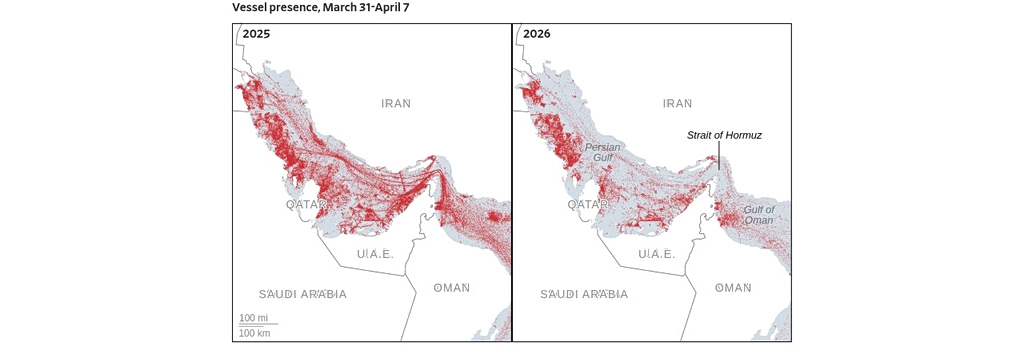
Despite President Trump’s assertions that the strait would open as part of the cease-fire, traffic remains at a trickle. The bottleneck of ships waiting to move through the waterway includes more than 425 oil and fuel tankers and nearly 15 vessels carrying liquefied natural gas.
Graphics sources: Lloyd’s List Intelligence (vessels, transits); MarineTraffic (routes, flags); Institute for the Study of War (strikes); Maritime Optima (vessel type, capacity); Global Fishing Watch (vessel presence)