 Μake us preferred on Google
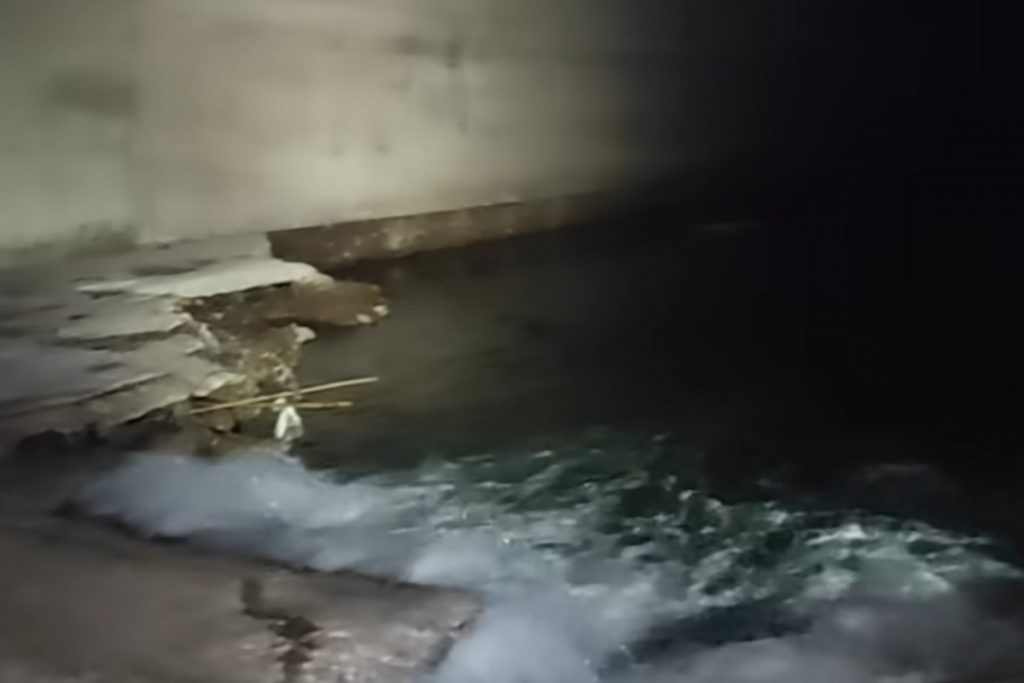
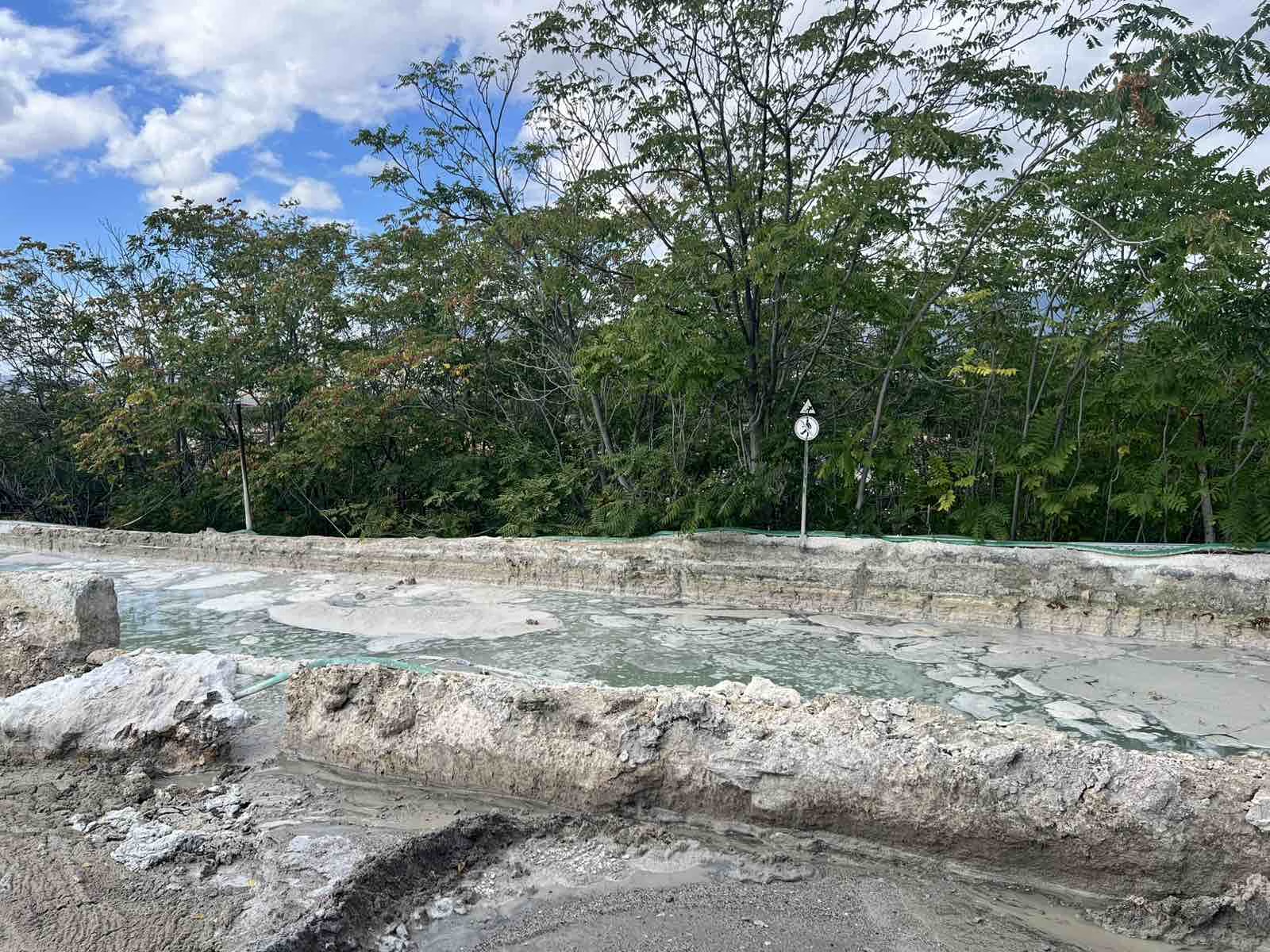
 A ready-mix concrete plant in Metamorfosi, in northwest Athens, was leaking wastewater and polluting the Kifisos River, according to police findings. During a Sept. 28 inspection, investigators traced the leak to a settling tank inside the facility. Beyond the perimeter fence, the wastewater had formed a small stream flowing toward the river.
A 55-year-old man responsible for the facility’s environmental compliance was arrested, and samples were collected for laboratory analysis.
The discovery came on the heels of a separate operation on Sept. 22 at a petrol station in Egaleo, western Athens. Police and environmental inspectors caught a tanker discharging industrial wastewater through a pipe into a stormwater drain connected to Kifisos, ERT reported.
Investigators had been monitoring the tanker’s operations and reported at least four discharges over approximately 20 days. The driver and the person temporarily responsible for the petrol station were arrested, while a case file was also opened against two others.
Greek buscuit maker Papadopoulos said it had hired an outside contractor to transport wastewater from its Tavros factory to the Metamorfosi treatment center. Authorities were examining whether the company knew about the alleged diversion.
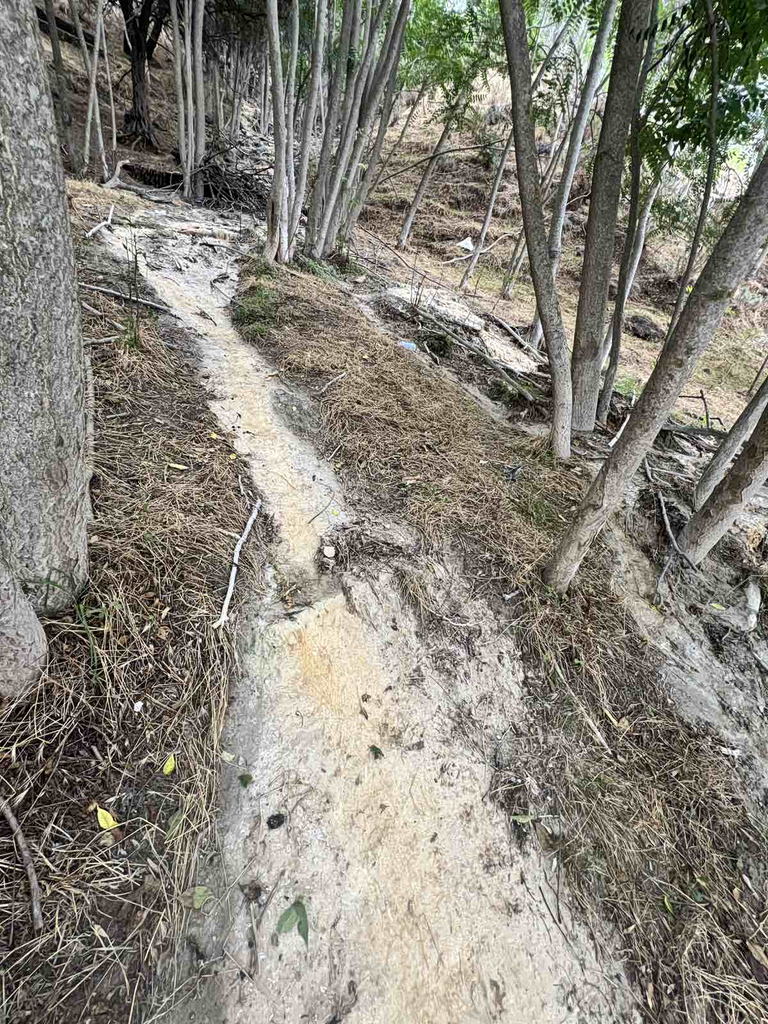
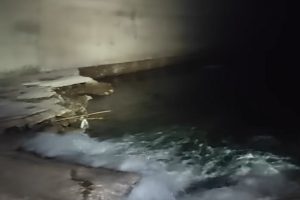
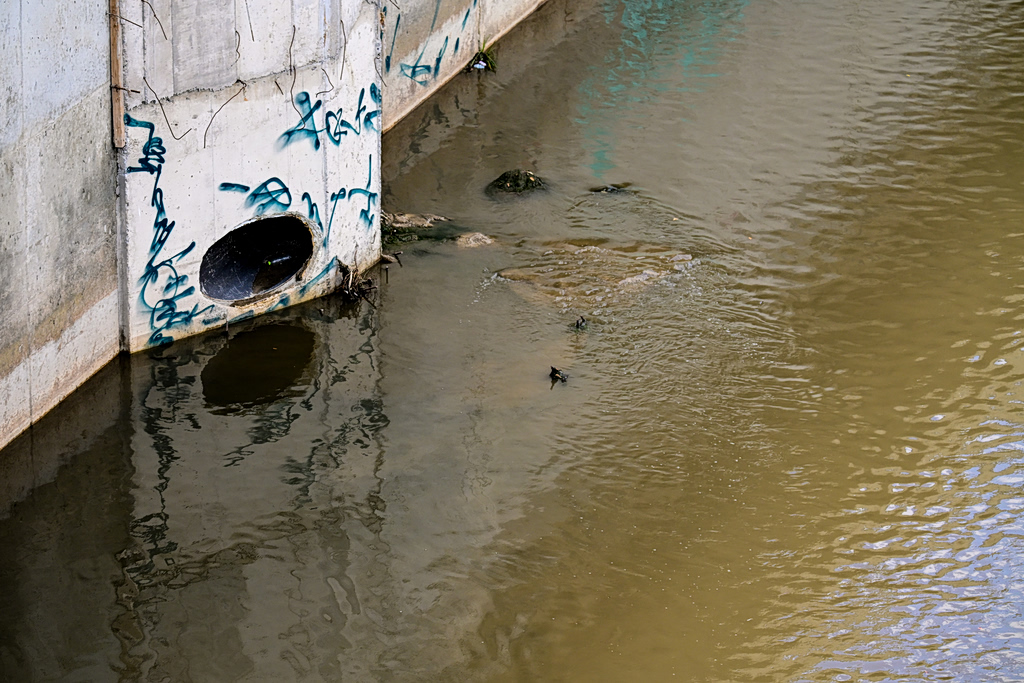
An inspection by Environmental Protection Department police officers uncovered liquid waste leaking from a company’s facilities into the Kifissos River. INTIME news
From stormwater drains to the sea
The Egaleo investigation exposed a route from a petrol station’s drain to the river and, ultimately, the sea. Athens’ water, sewage and wastewater treatment company EYDAP traced the connection to Kifissos through the stormwater network.
EYDAP and the Greek Environment Ministry teams said they have taken samples along the river’s channel and banks to assess pollution beyond the latest incident. Investigators were also seeking other points where illegally discharged waste could be entering the river.
Kifissos, known also as Cephissus in English, gathers water from northern Athens’ basin around Parnitha and Penteli mountains, which flows southwest to Phaleron bay in the Saronic Gulf. Parts of the river run beneath or beside the highway bearing its name, and drainage pipes can be seen along its length when water levels are low.
According to the Environment Ministry’s Attica river‑basin assessment, Kifisos is formally designated a Heavily Modified Water Body due to extensive interventions such as anti-flood measures and urban pressures. The report also highlights that the Greek state is well aware of persistent pollution pressures from runoff and wastewater, and highlights the river as a priority for targeted monitoring and mitigation measures.
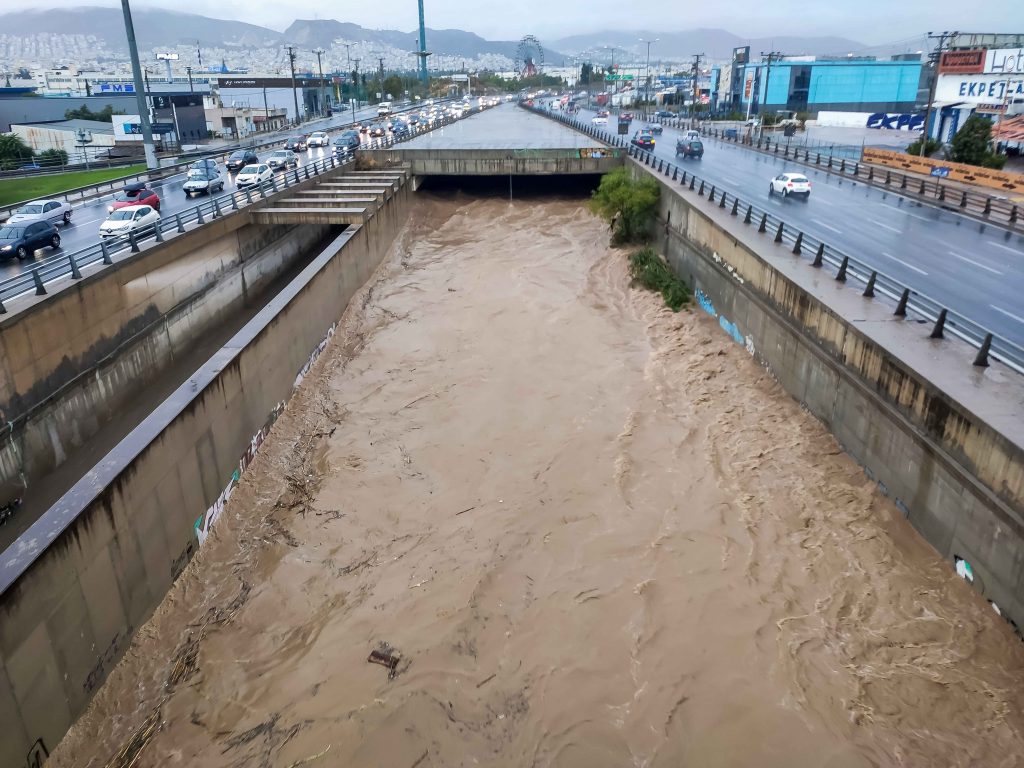
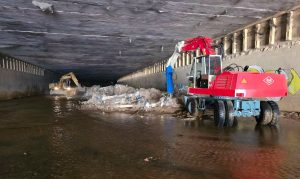
A file photo from Oct. 14, 2021, shows the flow in the Kifissos river/flood canal after a downpour in the greater Athens area. Takis Sayias / EUROKINISSI
Warnings stretching back decades
The latest investigations follow decades of complaints and enforcement actions.
In June 2002, authorities announced €752,000 in fines against three industrial companies near Kifisos. Violations included wastewater entering a tributary at pollution levels above permitted limits and operating without valid environmental approval, according to reporting by Ta Nea.
In May 2008, the Environment Ministry announced plans to impose approximately €600,000 in fines on 24 companies in the Kifisos area. Those violations concerned environmental legislation, particularly rules protecting the river and its tributaries, rather than wastewater disposal alone.
Yet residents continue to describe a river under constant pressure. Speaking to Greek media in recent days, a citizens group called “Roi” reported discolored water, suspicious discharges, and fish in the river struggling to survive. They said they alert police but described responses as slow and resources for investigating the problems as insufficient.
The concerns have also reached European institutions. A petition seeking the restoration of Kifisos was registered at the European Parliament in 1996.(petition number 237/1996).
© 2026 Intime p.a. / Chalkiopoulos Nikos
Where the disposal chain breaks down
For a factory paying to have its wastewater removed, collection is only the first step. The tanker case raises the question of how the producer verifies that its load reaches the treatment facility.
Speaking to ERT, Environment Secretary-General Petros Varelidis said producers’ responsibility to ensure proper waste management does not end when waste is transferred to another company.
He also raised an investigative question: was the intercepted wastewater suitable for the treatment center in the first place? A load exceeding the facility’s acceptance limits would require appropriate treatment before admission. Whether the load in this case had been rejected has not been established.
EYDAP’s controls offer one point of verification. Its 2022 sustainability report says an electronic tanker-entry system was installed at Metamorfosi in 2018. Those controls address what enters the facility. Comparing factory collection records with treatment-center receipts, including tanker identification, dates and quantities, could reveal loads that never arrived.
Rejection raises a further question. Keeping unsuitable wastewater out of a treatment plant protects its operation, but that load still needs somewhere lawful to go.
This leads to the ultimate accountability issue: Who is notified when a tanker is turned away, and who checks where its contents ultimately end up?
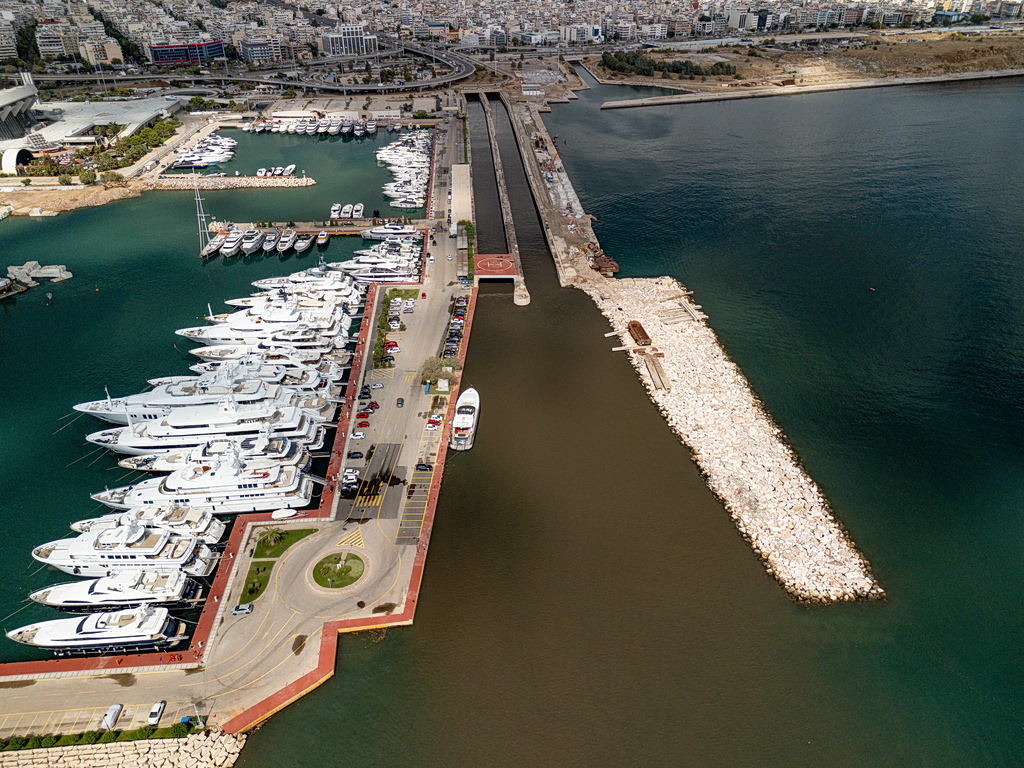
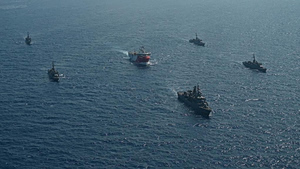
Environmental pollution stemming from Kifissos river and entering into Phaleron port area. © 2026 Intime p.a. / Chalkiopoulos Nikos