The winners of the 31st Critics Choice Awards offered a revealing snapshot of current industry trends—and some early, intriguing signals on the road to the Oscars—occasionally upending long-held assumptions.
With the Golden Globes set for Sunday, Jan. 11, and Oscar nomination voting opening Monday morning, Jan. 12, the Critics Choice ceremony served as one of the final meaningful barometers before Academy members begin filling out their ballots.
In that context, the sweeping victory of Paul Thomas Anderson’s One Battle After Another—winning Best Picture, Best Director, and Best Adapted Screenplay—sent a clear message: this is the film to beat. Historically, that combination of directorial vision and broad industry support has often translated into Oscar success.
Warner Bros. also emerged as a major force thanks to Sinners, which collected four awards, including Original Screenplay for Ryan Coogler, Best Young Actor for Miles Caton, Best Casting and Ensemble, and Best Score for Ludwig Goransson. Should Sinners maintain this momentum at the Golden Globes and secure backing from the SAG Awards, the Writers Guild, and other key guilds, it could become the season’s late-breaking dark horse.
Coogler’s win for Original Screenplay is particularly notable, as this is a category where the Academy frequently diverges from critics’ groups. The recognition suggests Sinners has carved out a credible path to Oscar nominations, especially within the influential writers’ branch, which often plays a decisive role in the Best Picture race.
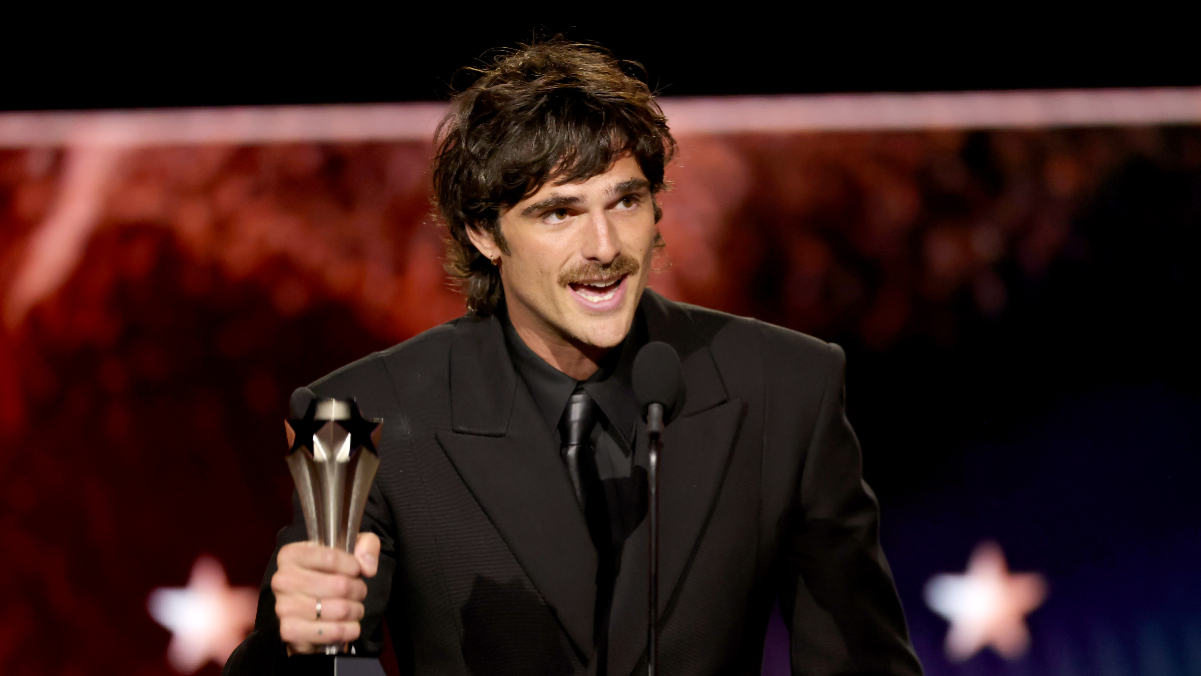
Netflix’s Frankenstein also claimed four awards, highlighted by Jacob Elordi’s win for Best Supporting Actor as the Creature in Guillermo del Toro’s gothic epic. Until now, Elordi had secured just two wins this season, raising the question of whether this signals a guaranteed Oscar nomination or a repeat of the so-called “Aaron Taylor-Johnson effect” seen with Nocturnal Animals. The key difference: Frankenstein is far more entrenched in the Best Picture conversation. Notably, no Critics Choice Supporting Actor winner has ever missed an Oscar nomination, making Elordi a near certainty.
Elsewhere, Jessie Buckley (Hamnet) delivered the evening’s most emotional acceptance speech, solidifying her status as a major contender, while Timothée Chalamet strengthened his frontrunner position for Best Actor with his win for Marty Supreme. Still, the race remains fluid—particularly given the Academy’s historical caution in rewarding younger performers.