 Μake us preferred on Google
 The Greek government is poised to clarify its next round of economic support measures in the coming week, as official data is expected to confirm a significantly stronger fiscal performance than initially projected.
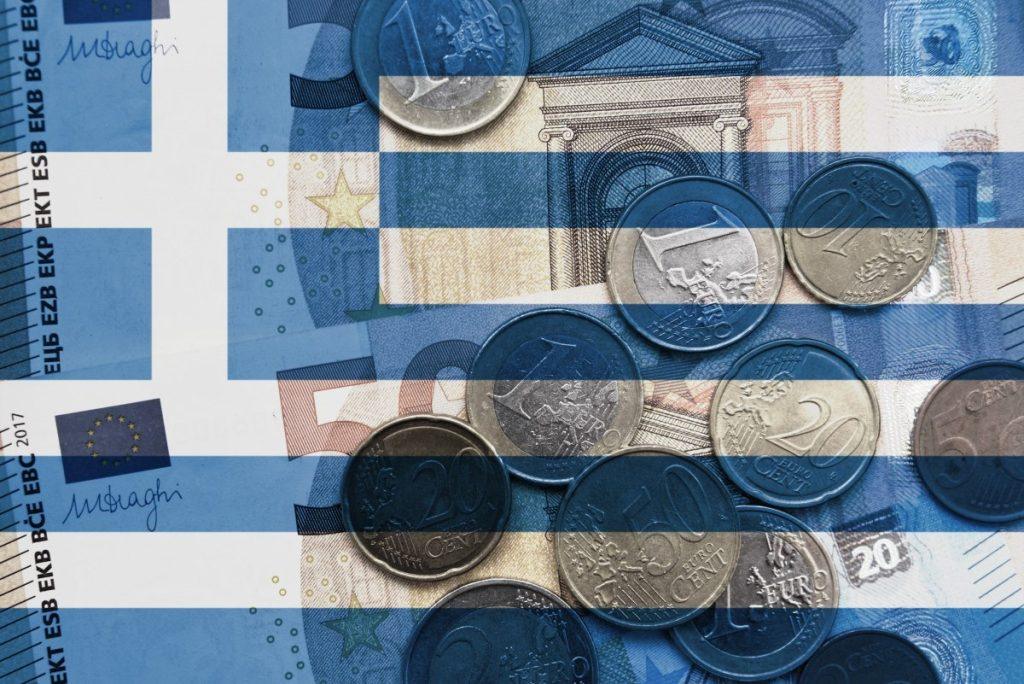
On April 22, Eurostat will announce Greece’s primary surplus for 2025, widely estimated at around 4.9% of GDP, or roughly €12 billion. The figure exceeds the original budget target of €9.15 billion, equivalent to 3.7% of GDP, marking a substantial fiscal overperformance.
This development is expected to trigger formal discussions between Athens and European institutions over how much of the surplus can be channeled back into the economy, within the strict framework of EU fiscal rules.
Fiscal space and negotiations with Brussels
The surplus, potentially reaching €12.2 billion, is believed to create additional fiscal space of more than €3 billion. However, the final amount available for public spending will depend on negotiations with Brussels, underscoring the continued oversight of Greece’s fiscal policy by European partners.
Kyriakos Pierrakakis, Greece’s minister of national economy and finance and president of the Eurogroup, said the final figures are still pending but confirmed that both the primary and overall surplus will exceed expectations.
“The exact figures will become clear in the coming days, once we have the final data,” he said, stressing that any additional spending capacity must be agreed upon with European authorities.
While the estimated €3 billion “overperformance” provides a strong starting point, it does not automatically translate into available funds for new measures. “We must agree with Brussels on what fiscal space is available for spending,” Pierrakakis noted.
Targeted support measures under consideration
Government officials are already weighing a range of targeted interventions aimed at cushioning households and businesses from rising costs, particularly in energy and fuel.
Among the scenarios under review:
- An extension of subsidies on diesel fuel for an additional month
- A potential new round of the Fuel Pass program, should gasoline prices remain elevated
- The possible revival of the Market Pass scheme, aimed at supporting food purchases amid rising inflation
Authorities are also considering activating subsidies for electricity and natural gas if energy prices spike again, alongside maintaining price controls and profit margin caps on essential goods.
Energy risks shape policy response
The final mix of measures will depend heavily on the size of the fiscal space and broader geopolitical developments—particularly energy market volatility linked to tensions in the Middle East.
Greek officials are closely monitoring developments in the Strait of Hormuz, a critical global energy transit route, as part of their assessment.
“We will wait for the final data, assess the available fiscal space, and correlate our decisions with developments in the Strait of Hormuz and the broader energy crisis,” Pierrakakis said. “We will intervene accordingly.”
Despite the improved fiscal outlook, Athens is expected to remain firmly aligned with EU budgetary constraints. Any support measures will need to strike a careful balance between economic relief and fiscal discipline.
Source: ot.gr