 Μake us preferred on Google
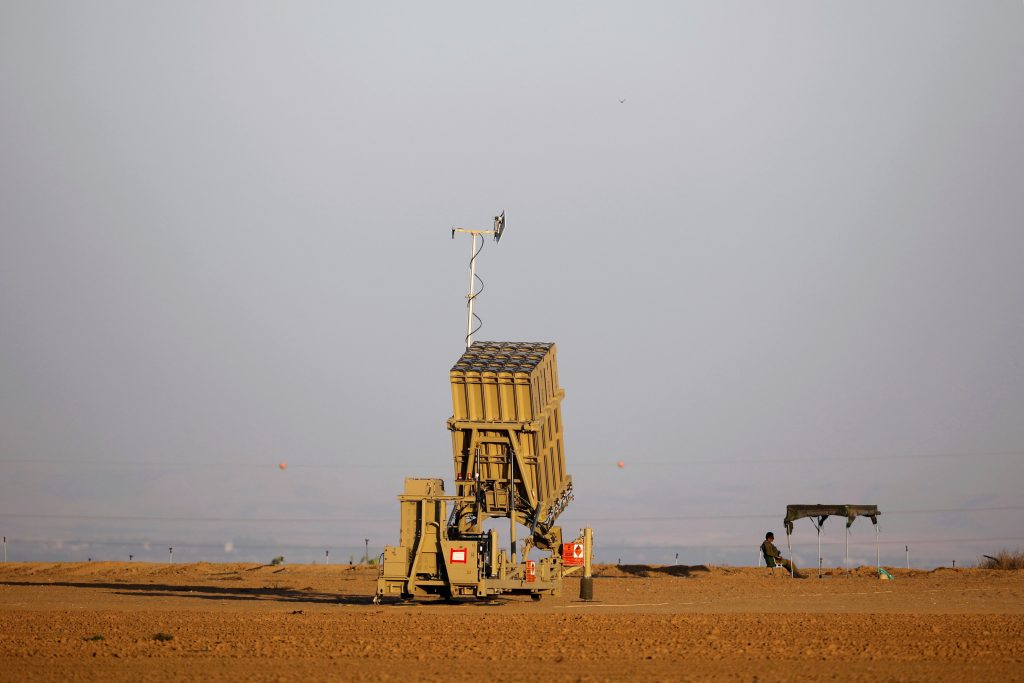
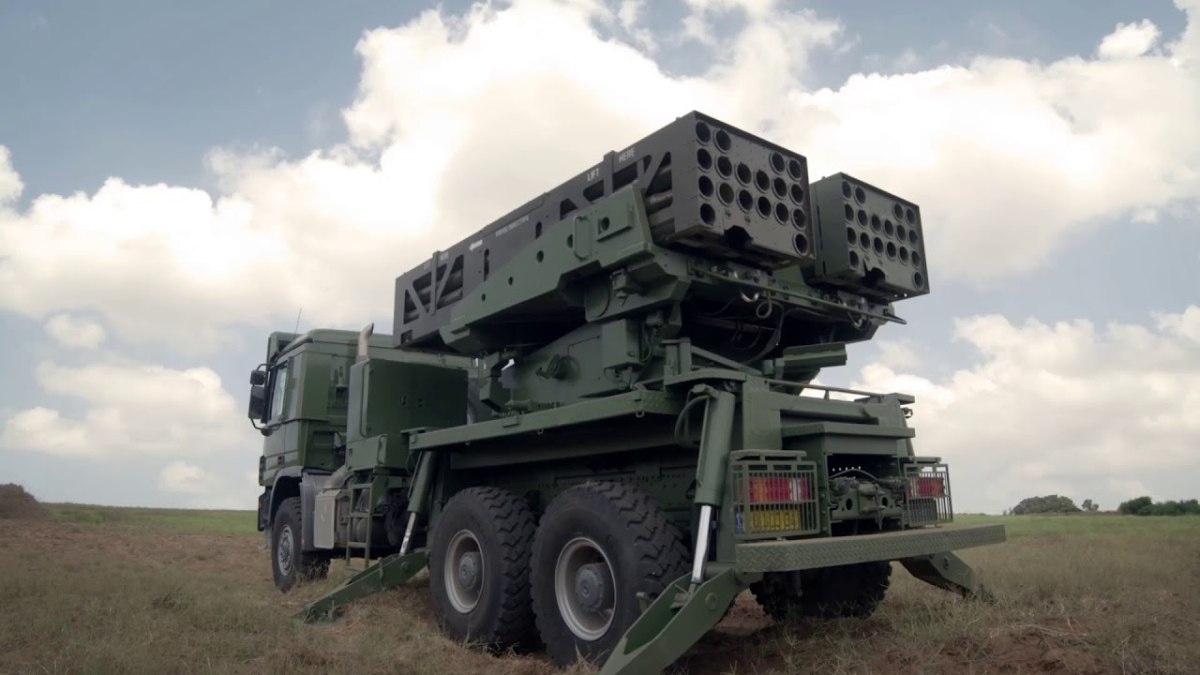
 The prominent “Achilles Shield” air defense initiative has reportedly been put on hold unless domestic defense companies secure at least a 25% share in the ambitious military project, according to defense sources in Athens on Monday, following a same-day day meeting of the Government Council for Foreign Affairs and Defense (KYSEA).
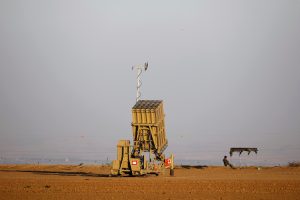
The “Iron Dome-like” concept emerged over the past few years as one of the Greek armed forces’ most ambitious defense plans, aimed at creating a multi-layered shield against missile, drone and aerial threats. Local media reports and defense analysts have described the project as a central pillar of Athens’ effort to adapt to rapidly evolving security challenges in the eastern Mediterranean.
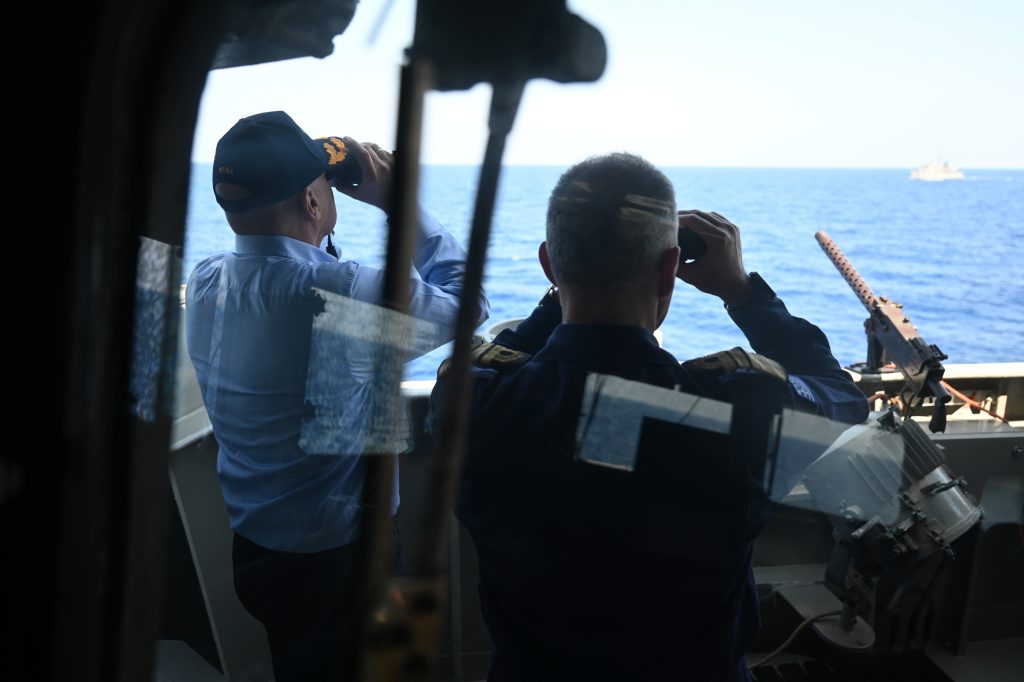
3. Minister of National Defense, Nikos Dendias, observes guided missile training exercises conducted by the Hellenic Navy and Air Force from the frigate Adrias on Monday, June 23, 2025./EUROKINISSI
Sources noted that the Greek government is determined to avoid a repeat of past procurement programs in which local defense firms had only a marginal role. Defense industry executives have argued that local participation is essential not only for economic reasons, but also for maintaining operational sovereignty, technical know-how and long-term maintenance capabilities inside Greece.
The temporary freeze also reflects broader concerns within the Greek defense establishment about balancing urgent military requirements with fiscal discipline and industrial policy. While Athens continues to accelerate naval and air-force modernization, policymakers increasingly view domestic production capacity as a strategic asset rather than simply an offset obligation tied to foreign purchases.
Separately, Greek Defense Minister Nikos Dendias met in Athens with Mohammed bin Mubarak bin Fadhel Al Mazrouei, the UAE minister of state for defense affairs, to discuss regional security and bilateral cooperation between Greece and the United Arab Emirates. The two sides signed a new Letter of Intent aimed at deepening strategic defense ties, with particular emphasis on innovation, emerging technologies, and joint defense initiatives.
The visit comes as the UAE adopts a more assertive geopolitical posture in the Gulf and wider Middle East, prompting Athens to strengthen partnerships with regional actors that share concerns over maritime security, energy infrastructure, and regional stability.