 Μake us preferred on Google
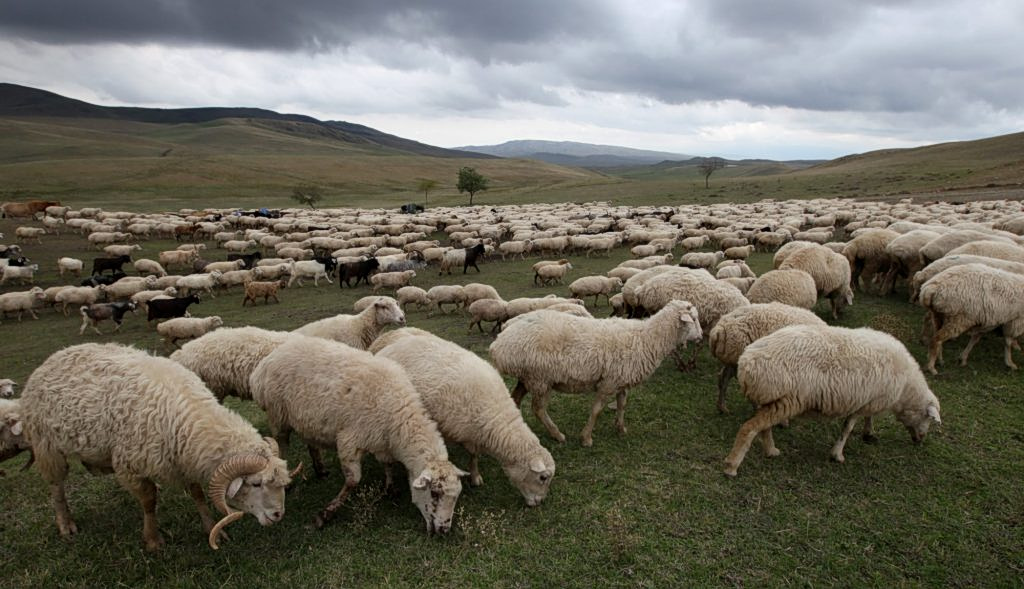
 Tensions are escalating on the Greek island of Lesbos as livestock farmers voice serious concerns over the handling and burial of animals following the detection of foot-and-mouth disease cases.
Farmers say the situation has reached a critical point, urging authorities to implement stronger biosecurity measures after reports of mass animal burials and environmental risks linked to groundwater contamination in parts of the island.
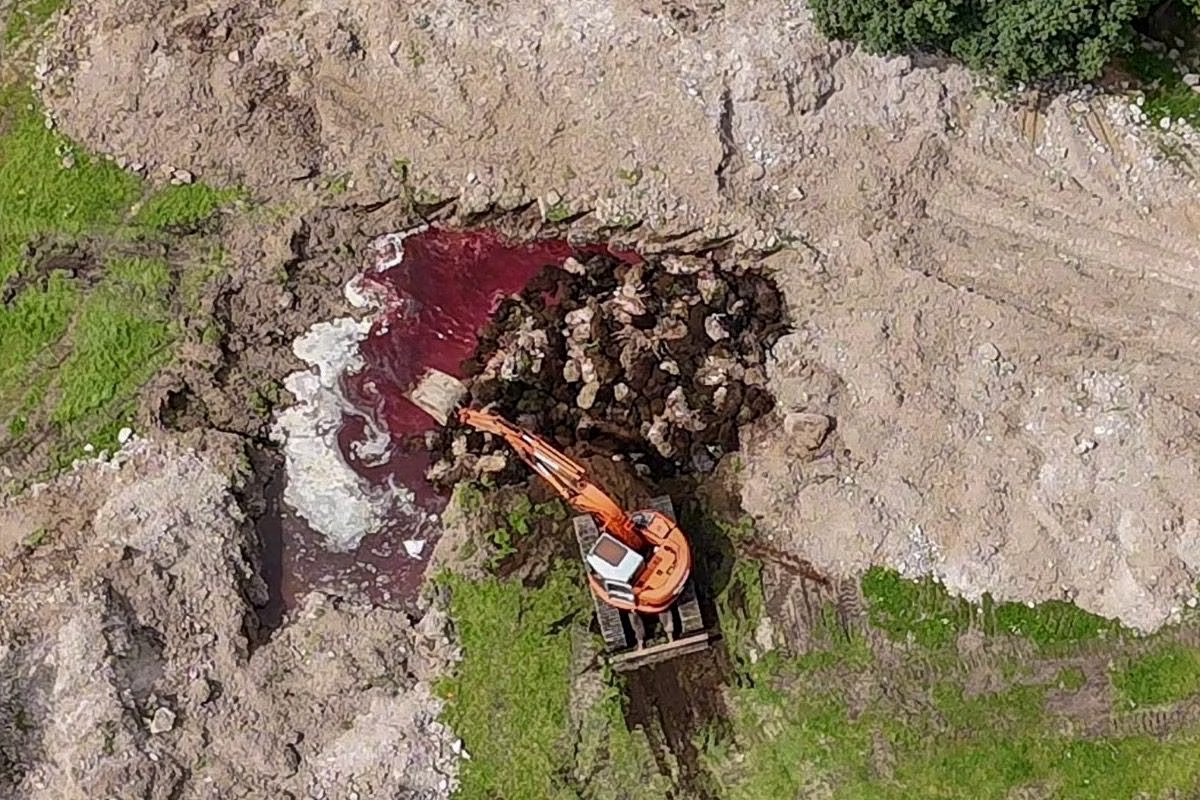
The issue has intensified following recent controversy over burial practices in an area near Skalochori, where concerns were raised about potential environmental impact from the disposal of thousands of culled animals.
Farmers demand stricter biosecurity measures
Speaking to local media, representatives of livestock associations on the island said that initial discussions focused on identifying a designated burial site for infected animals. However, they noted that suitable land conditions varied, with some farms located on rocky terrain, complicating on-site burial.
According to farmer representatives, a site near the island’s landfill was eventually designated for disposal, but concerns remain over how the process is being managed.
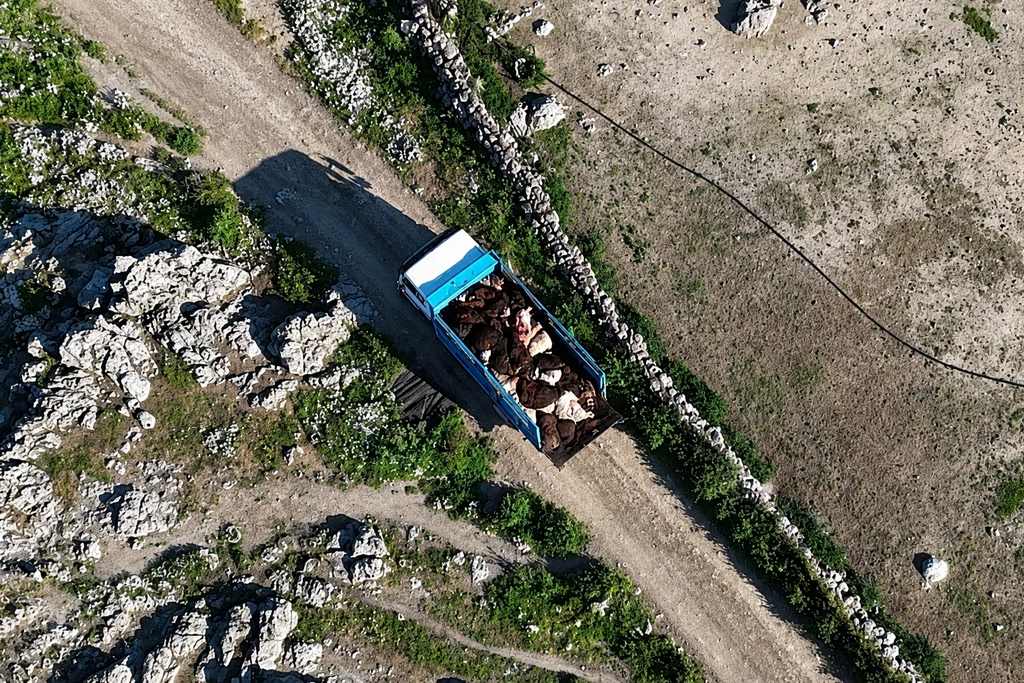
Farmers claim that animals were at times transported in open trucks without adequate containment measures, despite strict restrictions imposed on livestock operations in affected areas.
They argue that such inconsistencies in biosecurity practices increase the risk of further disease spread and place healthy herds at risk.
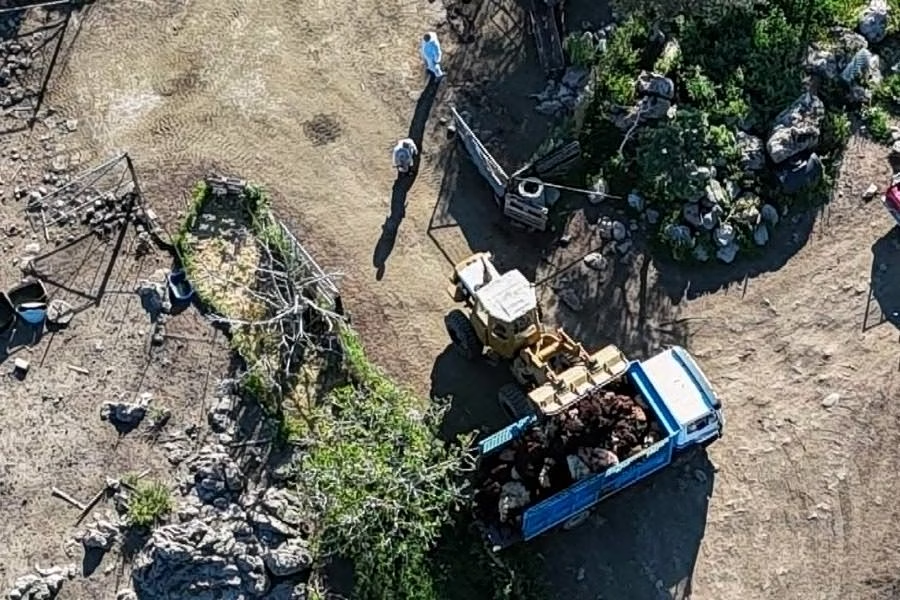
Among their demands are the use of sealed transport vehicles, disinfection procedures after unloading, and controlled burial zones with proper safety distances from active farms. They also stress the need for portable incineration units as an alternative method of disposal.
Concerns over environmental and operational practices
Local agricultural associations have also raised objections to the selection of burial sites, arguing that some are located near active livestock areas serving multiple communities.
They say responsibility for the transport and burial of infected animals lies with regional authorities and veterinary services, but allege that implementation has been inconsistent.
Farmers further claim that some procedures have been carried out without sufficient safeguards, while highlighting what they describe as a contradiction between strict rules imposed on livestock owners and the handling of infected animal disposal.
Resignation adds political pressure
The situation has been further complicated by the resignation of a senior regional official in the North Aegean administration, who cited disagreements over the handling of the crisis.
In a detailed statement, the former official criticized veterinary service practices and argued that while culling policies were being implemented, burial procedures and environmental protections were not adequately followed.
He warned that continued mismanagement could have long-term consequences for the island’s livestock sector, related industries, rural communities, and the environment, including potential impacts on groundwater resources.
The official said he submitted his resignation after raising concerns internally, stating he could not remain in a position where he disagreed with the operational handling of the issue.
Ongoing uncertainty for Lesbos livestock sector
As the situation continues to unfold, farmers on Lesbos say they are living with daily uncertainty, calling for immediate and effective action to ensure safe animal disposal and stronger disease control measures.
They warn that without clear and consistent biosecurity protocols, the island’s livestock industry—and the communities that depend on it—remain at risk.