 Μake us preferred on Google
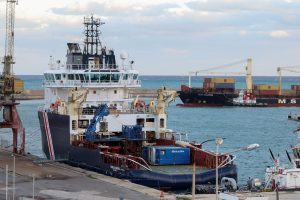
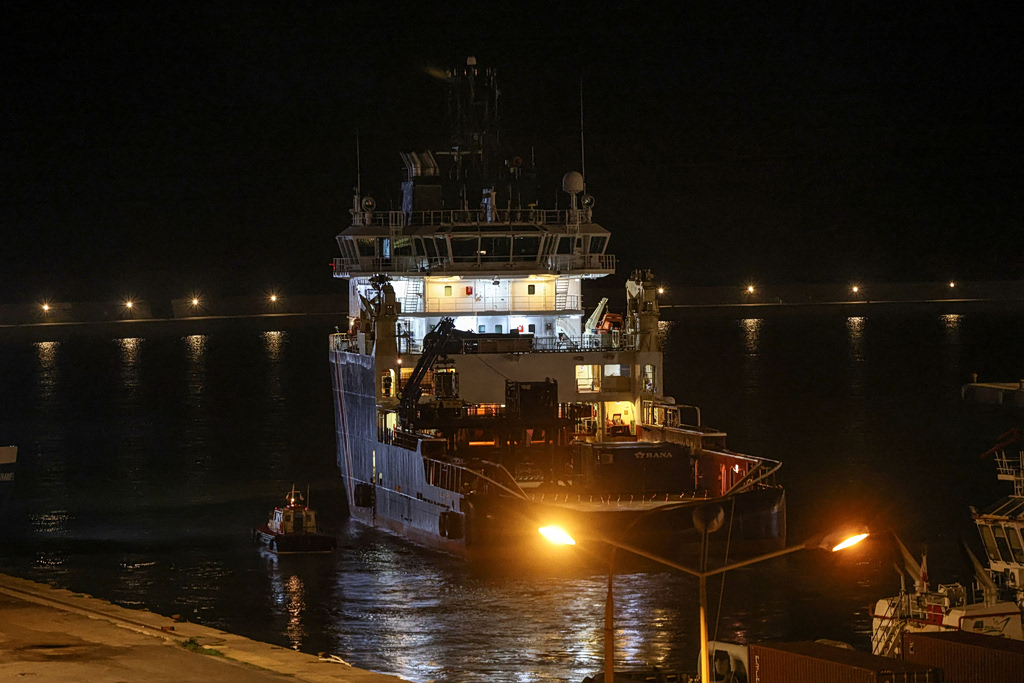
Cyprus has also issued an anti-NAVTEX in response to Turkey’s notice about surveys by the French vessel “VB Abeille Marengo,” which are part of the Greece-Cyprus electricity interconnection project in the Eastern Mediterranean.
Nicosia makes clear that the work inside Cyprus’s exclusive economic zone (EEZ) and continental shelf has been licensed by the competent Cypriot authorities, and that the Turkish NAVTEX was not issued in coordination with them.
The Cypriot anti-NAVTEX, numbered 352/26, was issued on November 11, 2026, at 06:00 UTC by the Larnaca Joint Rescue Coordination Center (JRCC Larnaca/Cyprus Radio).
The text of the Cypriot anti-NAVTEX states explicitly that the Turkish notice was not coordinated with the competent authorities of the Republic of Cyprus.
It also clarifies that the survey activities of the French vessel “VB Abeille Marengo” inside Cyprus’s EEZ and continental shelf have been approved under permit 05/2026 of the Republic of Cyprus.
This work has already been announced through Cypriot navigational warning NW 345/26, issued by the Larnaca Joint Rescue Coordination Center.
Nicosia also stresses that the only station authorized to issue NAVTEX notices in the Republic of Cyprus’s area of responsibility is JRCC Larnaca/Cyprus Radio/5BA. It asks anyone who needs further information to contact that station only.
The Cypriot anti-NAVTEX will remain in force until March 20, 2027.
Athens Responds To Ankara
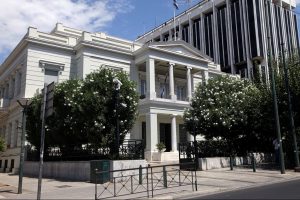
Athens has responded to the Turkish NAVTEX with an anti-NAVTEX of its own, calling Ankara’s notice null and void.
The Greek anti-NAVTEX (NAVWARN 1441/26) was issued shortly after midnight. It reaffirms the authority of the Greek authorities in the area and the validity of the original Greek notice.
The Greek notice states that a large part of the survey area lies inside Greece’s EEZ and continental shelf, and clarifies that the Heraklion station has sole authority to issue NAVTEX notices for that sea zone.
It also refers to the three permits granted by the competent Greek authorities following requests from the company, the most recent of which was issued on November 6.
The company carrying out the surveys also issued a statement confirming that the French vessel’s work is being carried out in line with the navigational notices of the Greek and Cypriot authorities.
What The French Research Vessel Will Do
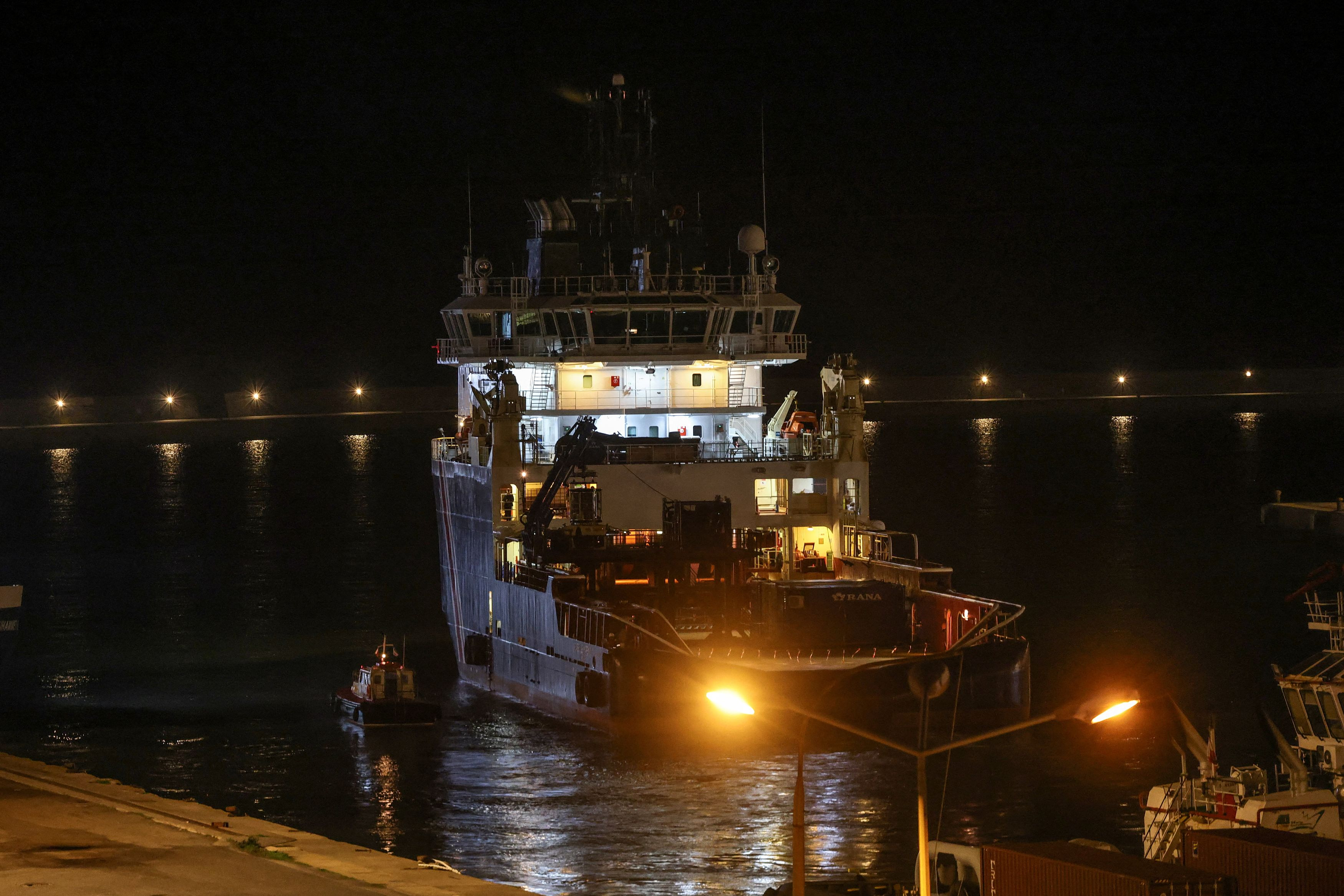
Before the main survey work begins, the Abeille Marengo will calibrate its systems. This process takes about 24 hours and will first take place inside Greek territorial waters, north of Heraklion.
The vessel is not responsible for laying the power cable. Its mission is to map and assess the seabed in order to determine the best route for installing it.
The program includes bathymetric work, geotechnical sampling, tests and drilling, aimed at collecting the necessary data on conditions on the seabed. This is a necessary preliminary stage before work to lay the cable begins.
Political Reactions
Prime Minister Kyriakos Mitsotakis sounded reassuring about the project’s progress, saying the electricity interconnection will be completed “without turbulence.”
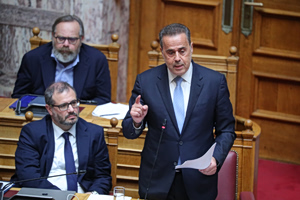
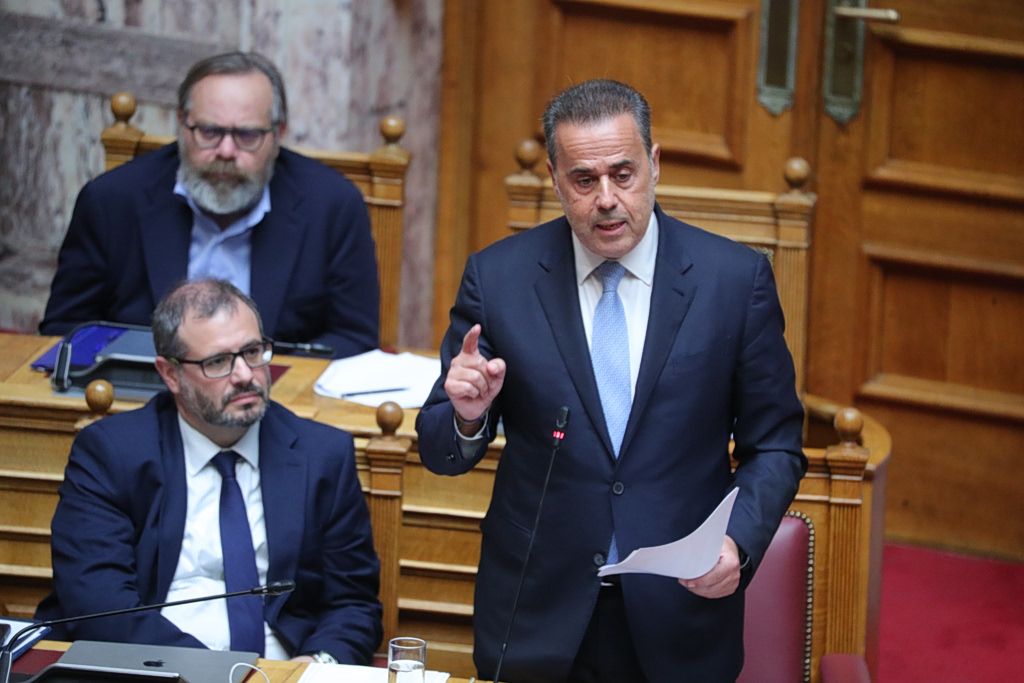
Nikos Karathanasopoulos, parliamentary spokesman for the Communist Party of Greece (KKE), criticized government policy and the role of international alliances more broadly from the floor of Parliament. He raised questions about both the Turkish NAVTEX and the French note verbale, disputing that international partnerships alone guarantee the defense of Greece’s sovereign rights. He also blamed the government for its handling of the matter, arguing that allies put their own interests first and not necessarily those of Greece.