
 Μake us preferred on Google
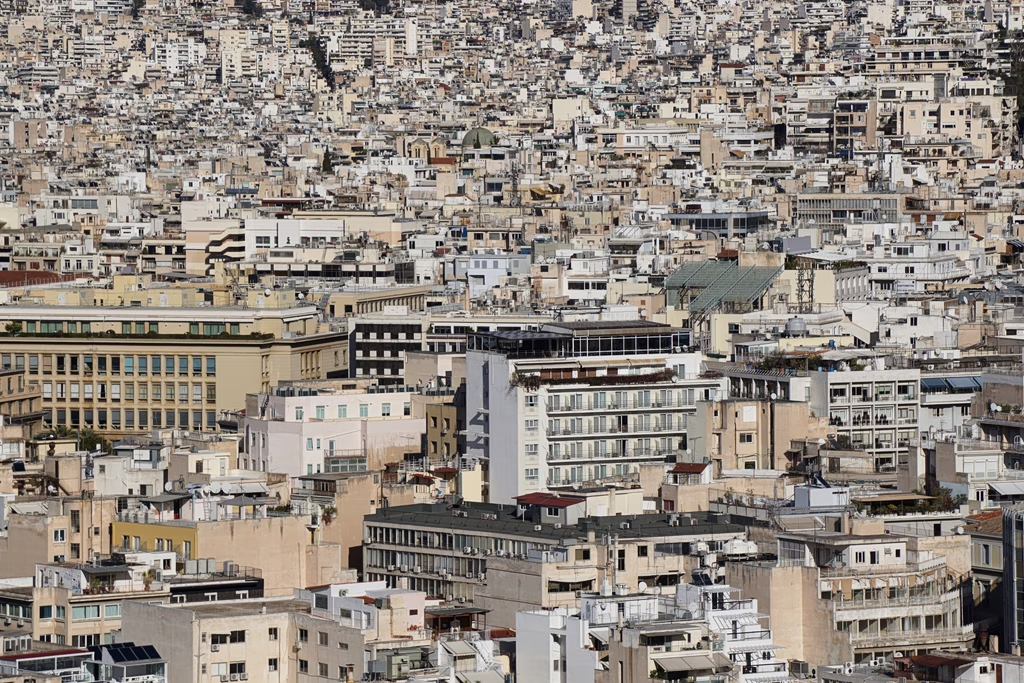
Government measures aimed at easing Greece’s housing crisis have yet to contain rising costs, with rents continuing to climb and housing expenses accounting for nearly 40% of the country’s annual inflation rate in October.
Housing costs rose 15.1% from a year earlier, up from 14.7% in September, according to data released by the Hellenic Statistical Authority (ELSTAT). The category, which includes rent, energy, maintenance and housing services, contributed 2.2 percentage points to October’s overall inflation rate of 5.7%. Energy costs accounted for much of the increase. Electricity contributed 0.71 percentage points to annual inflation, followed by heating oil at 0.56 points and natural gas at 0.40 points. Rent added another 0.30 percentage points.
The figures highlight the limits of government efforts to make housing more affordable. Financial assistance has helped eligible households cover some of their expenses, but measures intended to increase the supply of available homes have yet to produce substantial results.
Rents Continue to Rise Despite Government Assistance
Rent increases remain a particular concern, with prices rising 6.8% year over year and 1.3% in October alone. The government has introduced an annual rent rebate of up to 800 euros for a primary residence, with an additional 50 euros for each dependent child. The payment provides financial relief to eligible tenants but does not directly limit the rents landlords can charge.
Additional assistance comes through increased heating allowances and subsidies for heating oil, intended to offset some of the sharp rise in energy costs. Even with those measures in place, the latest inflation figures show that households continue to face significantly higher housing expenses.
Greece is not alone in experiencing rising costs. Comparable housing expenses increased 14.2% in Belgium, 10.8% in Cyprus and 8.6% in Slovenia in October.
Can Renovation Programs Ease Greece’s Housing Shortage?
Beyond direct financial assistance, the government has introduced programs designed to bring vacant properties back onto the rental market and expand the supply of housing.
One initiative, known as Renovate and Rent (Anakainizo–Noikiazo), offers property owners subsidies of up to 8,100 euros to renovate unused homes, provided they rent them out for at least three years. A separate program, Home Renovation, opened for applications on Oct. 29 with a budget of 500 million euros. It provides grants of up to 36,000 euros for renovation work and energy efficiency upgrades.
The government has also imposed restrictions on new short-term rentals in designated areas of Athens and Thessaloniki, seeking to address pressure on the residential housing market.
These initiatives target housing availability rather than providing immediate financial relief. Their impact will depend on how many properties are renovated and made available, and whether the resulting rents are affordable.
Social Housing Plans Still Face Delays
A further component of the government’s housing strategy is a social housing scheme involving the development of publicly owned property in partnership with private developers. The program is intended to expand the supply of affordable housing, but it has been delayed well beyond its original timetable.
While subsidies and rebates can help households manage higher bills, they do not necessarily address the shortage of homes available at rents people can afford. And despite the series of measures the government has announced, tenants have seen little relief in their monthly housing costs. Rents continue to rise, while programs intended to increase the supply of affordable homes have yet to produce tangible results.
Source: OT.gr