 Μake us preferred on Google
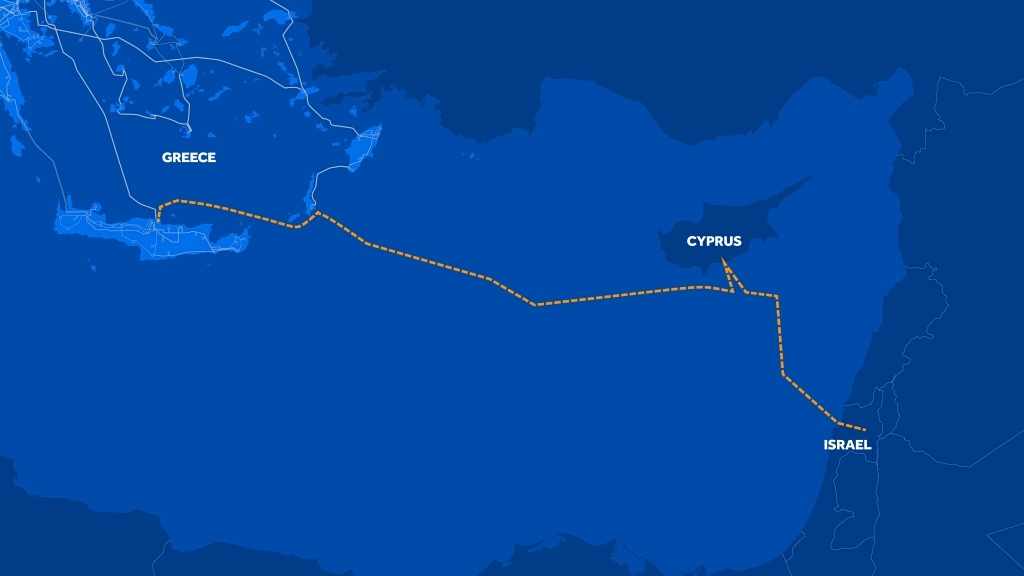
A dispute over the Greece-Cyprus electricity interconnection erupted into a heated confrontation between the Greek government and the main opposition PASOK party in Parliament on Tuesday, with the two sides clashing over France’s decision to formally notify Turkey of planned seabed surveys.
At the center of the disagreement is a French note verbale, a formal diplomatic communication whose contents have not been disclosed to the opposition. PASOK is demanding answers about its wording and implications, while the government insists that informing Ankara of the surveys does not amount to seeking Turkish permission.
The confrontation continued outside Parliament and intensified later that evening after Turkey issued a new NAVTEX maritime notice referring to its consent for the surveys.
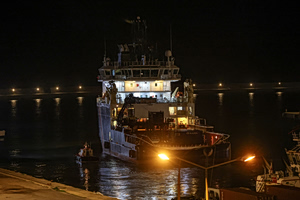
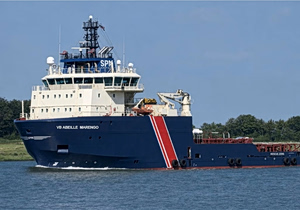
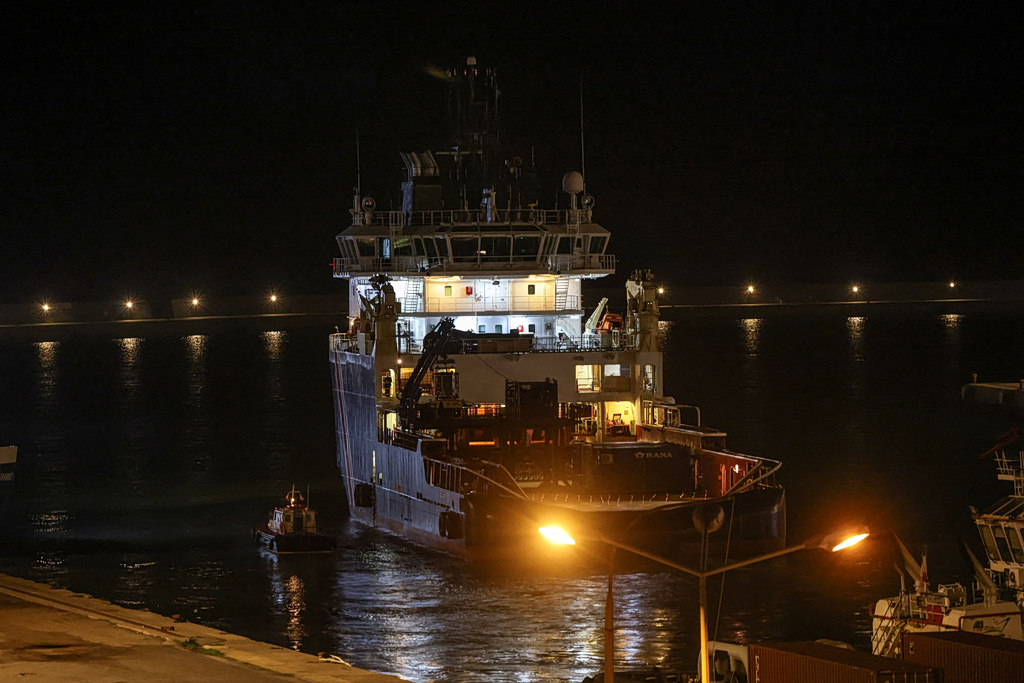
Meanwhile, the French research vessel Abeille Marengo departed Heraklion, Crete, to resume seabed surveys for the Great Sea Interconnector (GSI), the planned electricity link between Greece and Cyprus.
PASOK Demands Answers Over French Diplomatic Note
PASOK leader Nikos Androulakis pressed the government to explain why France had chosen to notify Turkey through a formal diplomatic note, whether Athens had been informed of its contents and whether the Greek government had approved the wording.
The opposition party is demanding immediate disclosure of the precise language used in the communication, particularly after Turkey’s latest NAVTEX referred to its own consent for the surveys. PASOK described the Turkish notice as an illegal and revisionist move, pointing to maritime maps Ankara submitted to the United Nations in March 2020 in connection with the disputed 2019 Turkey-Libya maritime agreement.
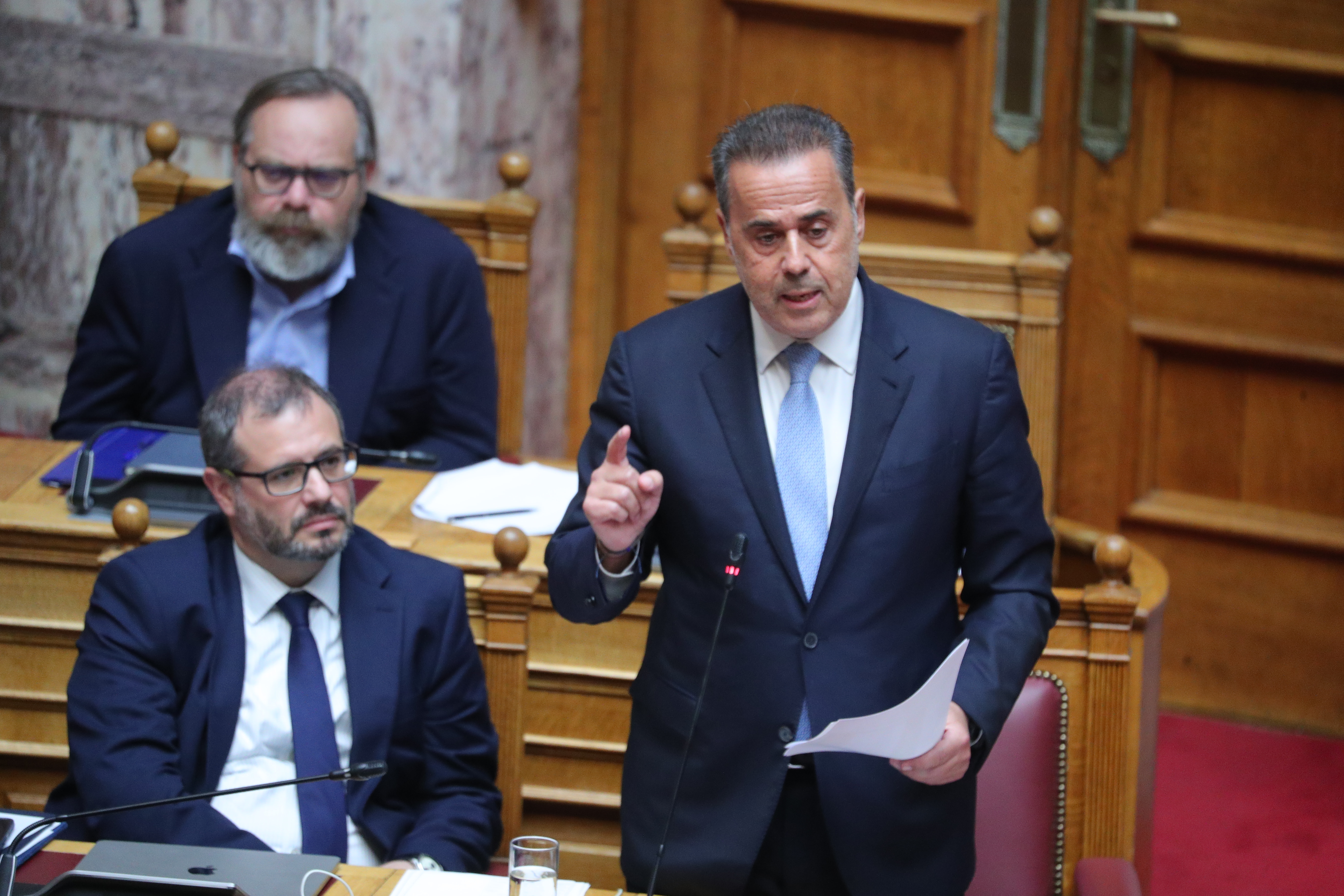
The questions prompted a sharp exchange in Parliament with Environment and Energy Minister Stavros Papastavrou, who accused Androulakis of distorting the facts for political gain and described his position as damaging to national interests. Papastavrou maintained that the project was moving forward with international support and that Turkey had never been asked to authorize the surveys. He also accused the PASOK leader of advancing arguments that even Ankara had not made.
Androulakis responded that Turkey possessed the French diplomatic note while the Greek opposition had not been told what it contained.
Parliamentary Exchange Over Turkey’s Role
Tensions rose further when New Democracy parliamentary spokesman Dimitris Kairidis argued that Turkish President Recep Tayyip Erdogan would already have leaked the French communication if it contained anything damaging to Greek interests.
Androulakis challenged how the government could conclude that the document was harmless without knowing its exact contents. “Are you really coming before the Greek Parliament and speaking hypothetically about such a serious national issue? I am asking questions, and I want answers,” he said. The PASOK leader warned against establishing a practice in which another country would handle communications with Turkey whenever Greece sought to carry out energy projects involving its sovereign rights.
When Androulakis insisted that the opposition was entitled to an explanation from the Greek government, Kairidis directed him to Turkey. Androulakis responded that he was exercising his role as opposition leader in Greece and expected answers from Athens, not Ankara.
Mitsotakis Defends France’s Notification
The dispute continued outside Parliament, with government sources accusing Androulakis of raising questions Prime Minister Kyriakos Mitsotakis had already addressed at the Greece Talks conference earlier that day. Mitsotakis said the French note verbale did not create a legal precedent or amount to an application for authorization. “The information provided by the French side to Turkey does not in any way create a legal precedent and cannot under any circumstances be interpreted as a request for authorization,” the prime minister said.
Government sources also stressed that Nexans, the contractor involved in the cable project, had sought permission from Greece and Cyprus, while France’s communication with Ankara did not imply recognition of Turkish maritime jurisdiction.
Government officials also accused the opposition of leaking details from a recent meeting of Parliament’s Foreign Affairs Committee, stressing the need for discretion and responsibility on matters of national security.
PASOK rejected the criticism, arguing that Androulakis would not have needed to raise the questions in Parliament if Mitsotakis had provided adequate answers. The party also accused the prime minister of avoiding parliamentary scrutiny and said the government should be criticizing its own parliamentary spokesman for suggesting that the opposition leader seek answers from Erdogan.
Turkish NAVTEX Fuels Fresh Criticism
The new Turkish NAVTEX late Tuesday triggered another round of exchanges, with opposition lawmakers questioning Ankara’s assertion that it had consented to the surveys.
PASOK lawmaker Pavlos Christidis said the latest developments had undermined the government’s credibility and contradicted its earlier assurances.
Theofilos Xanthopoulos of SYRIZA also questioned Turkey’s reference to consent, while Alexandros Kazamias of Plefsi Eleftherias asked who had requested the authorization Ankara claimed to have granted.
Papastavrou urged lawmakers not to fall into what he called Turkey’s “trap.” He argued that Ankara was presenting itself as granting consent despite never having been asked for it. The Energy Minister reiterated that the French company had applied for authorization only from Greece and Cyprus. He said the Abeille Marengo had already set out to conduct bathymetric surveys based exclusively on the Greek NAVTEX, which had published the coordinates of the vessel’s planned route. “There was no request from the French company,” Papastavrou said.
Greek Left Alliance Accuses Government of Diplomatic Failure
The Greek Left Alliance of Alexis Tsipras also sharply criticized the government’s handling of the dispute, saying the latest Turkish NAVTEX confirmed what it described as a failure by the Mitsotakis administration.
In a statement, the party’s foreign policy unit condemned the new Turkish NAVTEX, saying Ankara was once again attempting to portray parts of the Greek and Cypriot continental shelves as its own, while also claiming to have given its consent for the surveys ahead of the cable’s installation. The party went on to argue that the notice violated the rules of the International Maritime Organization and the law of the sea.
The party said it had warned the government that Turkey would seek to exploit what it called a notification made under threat, presenting it as a request for permission in order to advance its claims to maritime rights and jurisdiction.
It also criticized the government’s response to Alexis Tsipras and the Greek Left Alliance, accusing it of resorting to what the party called an unprecedentedly offensive allegation that anyone questioning its handling of the issue was serving Turkish interests. The party also rejected the government’s explanations of the French note verbale, which it said had been likened to an ordinary utility bill.
The Greek Left Alliance described the latest developments as another failure for Prime Minister Kyriakos Mitsotakis and said Greek voters would soon send him their own “notice” at the ballot box, a reference to the government’s comparison of the French diplomatic communication to a utility bill.
Sources: TO BHMA, in.gr, TA NEA