 Μake us preferred on Google
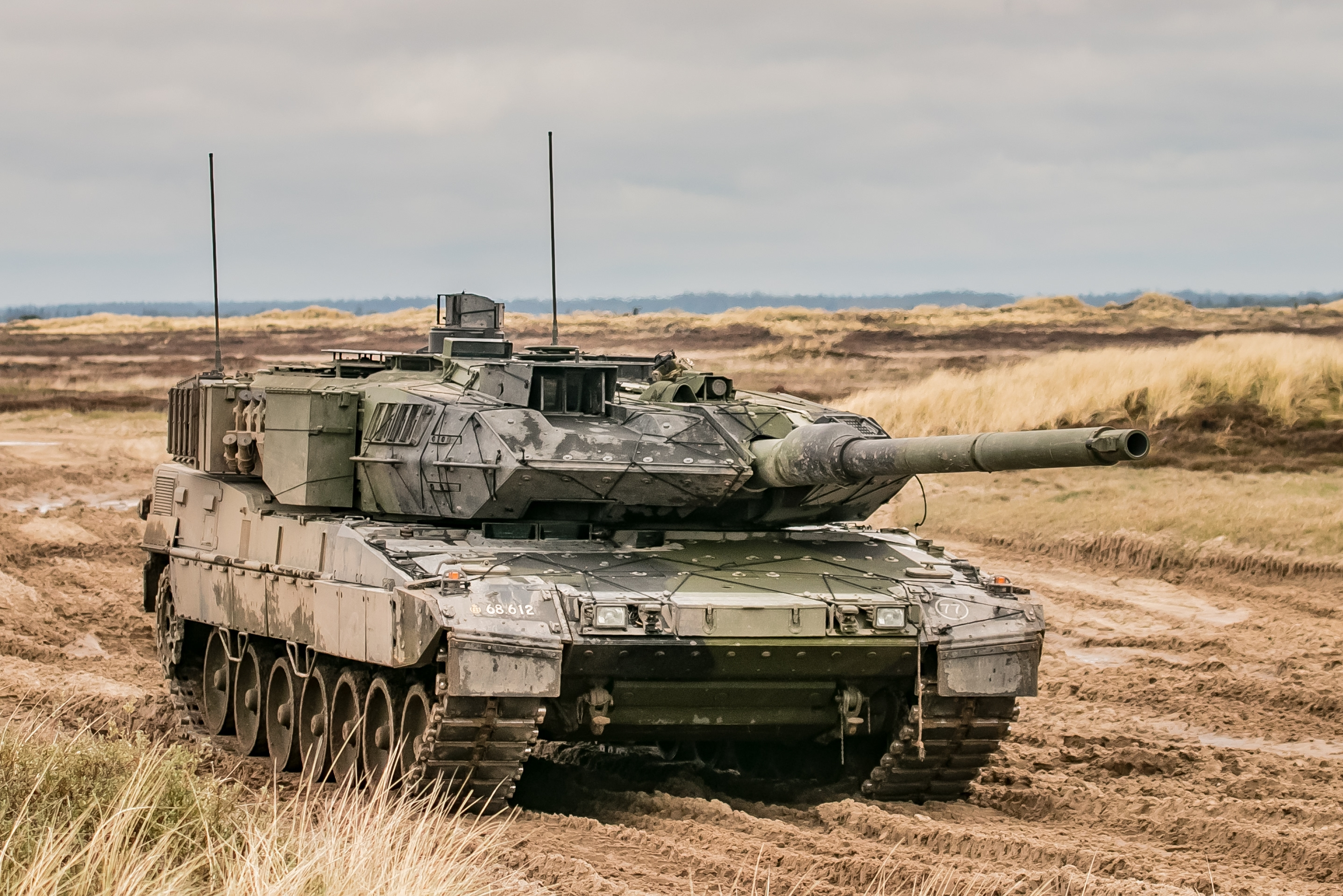
 Athens and Nicosia are nearing an agreement on the transfer of a significant number of Leopard 1A5 main battle tanks from the Greek Army to the Cypriot National Guard, according to reporting by TA NEA. The move comes as Cyprus accelerates efforts to modernize its armored forces and strengthen deterrence in a volatile Eastern Mediterranean security environment.
Military sources in both capitals indicate that consultations are ongoing, with key details of the transfer still under discussion. Officials from Cyprus’ National Guard declined to comment, citing standard policy on defense procurement matters.
Replacing aging Soviet-era armor
At the center of the planned transfer is Cyprus’ urgent need to replace its fleet of 82 Russian-made T-80 tanks, currently deployed within its 20th Armored Brigade. Maintenance and spare parts for these systems have become increasingly difficult to secure, creating operational strain despite what sources describe as the “exceptionally high” professionalism of Cypriot crews and technical teams.
The Leopard tanks earmarked for Cyprus are expected to undergo upgrades before delivery, including the installation of enhanced armor protection systems. The transfer is part of a broader modernization push aimed at improving the island’s defensive readiness.
Athens is also expected to provide Cyprus with four Centaur anti-drone systems, further strengthening its ability to counter emerging aerial threats.
Building a layered defense
These additions will complement a growing arsenal of advanced systems already being acquired by Cyprus. These include BARAK MX air and missile defense systems and modern radar platforms from Israel, as well as plans to procure advanced attack helicopters.
Taken together, these capabilities are designed to create a more robust, layered defense architecture for the island — a critical priority as tensions with Turkey have spiked in recent days, particularly along the UN-patrolled buffer zone dividing Cyprus.
Strategic shift draws global attention
The military buildup coincides with a broader geopolitical shift that is elevating Cyprus’ strategic importance. According to Israeli analyst Shay Gal, speaking to TA NEA, “Washington does not move flags — it creates access. Infrastructure, rotation, pre-positioning, and operational use through the RAF base in Akrotiri. Cyprus is becoming operationally critical without being formally declared a base.”
According to Gal this new developing role has not gone unnoticed in Ankara, which continues to monitor developments closely.
France steps up military presence
Defense cooperation between Cyprus and France has also intensified in recent months, underscored by a series of joint exercises on the island. A new round of drills involving French forces and the Cypriot National Guard was announced on April 15, following the completion of the “THEMIS-01/26” exercise that took place on March 23.
At the same time, large swaths of sea west and southwest of Cyprus have been designated for French air and naval exercises through the end of April. The presence of the French aircraft carrier Charles de Gaulle in the region sends a clear signal of support for stability and international law in the Eastern Mediterranean.
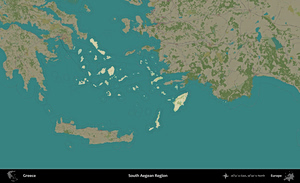
On April 8, France also reminded Turkey that the sea area south of Rhodes and Kastellorizo falls under Greek jurisdiction for issuing NAVTEX navigational warnings. Following a relevant request to Athens, French naval units subsequently carried out exercises in those waters.
UK drills reinforce legal norms
For Ankara, the pressure is compounded by the stance of countries it considers partners. The United Kingdom — a NATO ally and a key defense partner of Turkey, including cooperation on major programs such as the KAAN fighter jet and Eurofighter projects — has also acted in line with international law.
As part of naval live-fire exercises conducted over the past two days, the British requested that Athens designate two exercise areas in the northeastern Cretan Sea, near the boundary with the Karpathian Sea. These zones include a number of small islets which Turkey claims fall within its “Blue Homeland” doctrine and incorporates into its broader “gray zones” strategy.
Turkey expands rapid-response forces
Against this backdrop, Turkey has announced plans to significantly expand its commando brigades, aiming to increase their number from 25 to 40 by 2030. The move is part of a broader effort to enhance rapid-response capabilities and is coupled with a planned increase in defense spending for 2026.
Greek defense sources also point to Ankara’s expansion of its marine brigades, from one to three, as further evidence of a long-term force projection strategy.
source: TANEA.gr