 Μake us preferred on Google
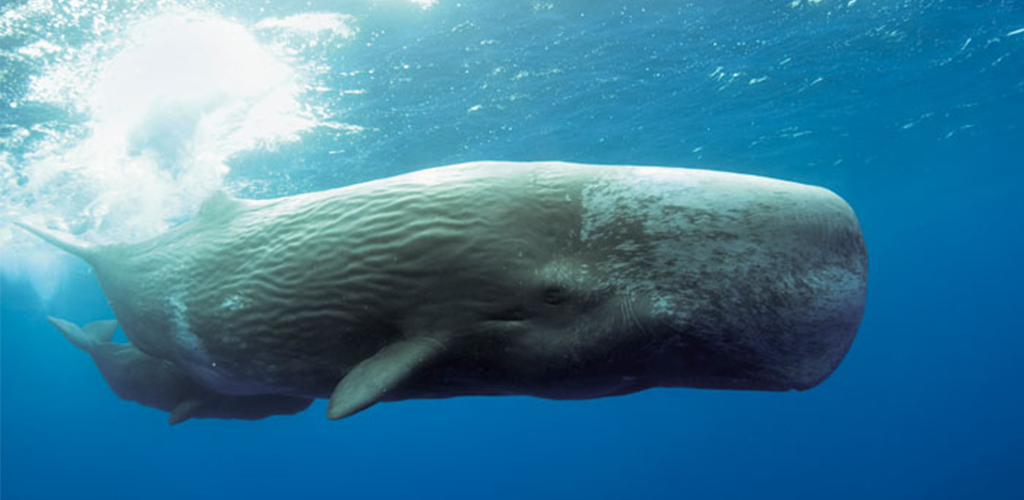
A sperm whale has been captured on video swimming at the surface and diving into deep waters off the Greek island of Ikaria in the eastern Aegean Sea.
Members of the Archipelagos Institute of Marine Conservation filmed the animal during a research expedition aboard the vessel Triton in the Ikaria Trench, an area of international environmental importance that remains little known to the wider public.
The footage shows the whale repeatedly emerging from and disappearing beneath the sea’s surface as it moves through the trench’s deep waters.
🐳Φυσητήρας στην Τάφρο της Ικαρίας
Φθινοπωρινές μέρες και ένας γνώριμος επισκέπτης, ένας μεγάλος αρσενικός, καταγράφεται ξανά κατά τη διάρκεια της έρευνας του Ινστιτούτου Αρχιπέλαγος με το ερευνητικό σκάφος «Τρίτων».
Κάτω από την επιφάνεια της θάλασσας απλώνεται ένας κόσμος που παραμένει σε μεγάλο βαθμό ανεξερεύνητος. Η Τάφρος της Ικαρίας είναι μια περιοχή διεθνούς περιβαλλοντικής σημασίας, αλλά ελάχιστα γνωστή στο ευρύ κοινό.
Κάθε τέτοια συνάντηση μας θυμίζει πόσα έχουμε ακόμη να μάθουμε για τις βαθιές θάλασσες του Αιγαίου, αλλά και πόσο αναγκαίο είναι η γνώση να μετατρέπεται σε αποτελεσματικές δράσεις για την προστασία αυτής της μοναδικής θαλάσσιας ζωής, που απειλείται ολοένα και περισσότερο από την ανθρώπινη δραστηριότητα.
🐳A sperm whale in the Ikaria Trench.
On an autumn day, a familiar visitor, a large male, is recorded once again during research conducted by Archipelagos Institute aboard the research vessel “Triton”.
Beneath the sea’s surface lies a world that remains largely unexplored. The Ikaria Trench is an area of international environmental importance, yet little known to the wider public.
Each encounter reminds us how much we still have to learn about the deep waters of the Aegean, and how essential it is to turn knowledge into effective action to protect this unique marine life, increasingly threatened by human activity.
#Φυσητήρας #Αιγαίο #SpermWhale
— Archipelagos Institute of Marine Conservation (@ArchipelagoGr) October 25, 2026
Ikaria Trench is a migration route for marine mammals
Stretching between the islands of Ikaria, Chios and Samos, the Ikaria Trench is one of the Mediterranean’s most important underwater canyons.
The Archipelagos Institute has monitored the area for over 25 years, documenting its rich marine life and ecological importance. The trench serves as a key migration corridor for large marine mammals in the northeastern Mediterranean.
Its depths range from 1,100 to 1,400 meters, providing a suitable environment for species capable of diving far below the surface.
Researchers regularly record seven species of marine mammals in the area. These include sperm whales (Physeter macrocephalus), the largest toothed whales in the world, as well as elusive Cuvier’s beaked whales and Risso’s dolphins.
Sperm whales remain poorly understood
Despite their size and long history in Greek waters, sperm whales remain relatively poorly understood.
Their presence in the region has been documented since antiquity, including observations recorded by the ancient Greek philosopher Aristotle.
Sperm whales have survived for millions of years and can grow to more than 16 meters in length and weigh over 40 metric tons.
Their ability to dive to depths exceeding 1,000 meters allows them to hunt prey in deep waters, where fishing activity is generally less common. Because they do not feed on the species typically targeted by human fisheries, they occupy a different part of the marine food web.