 Μake us preferred on Google
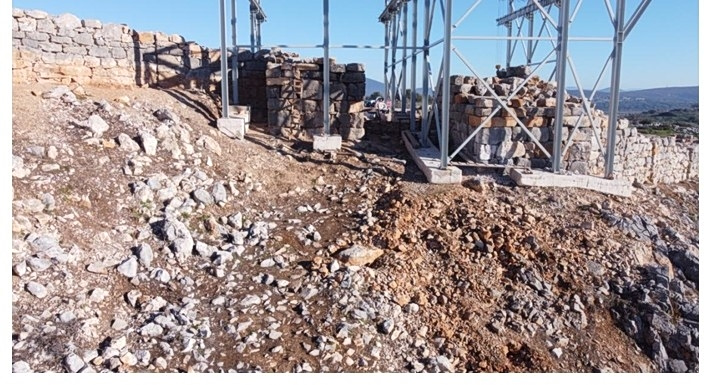
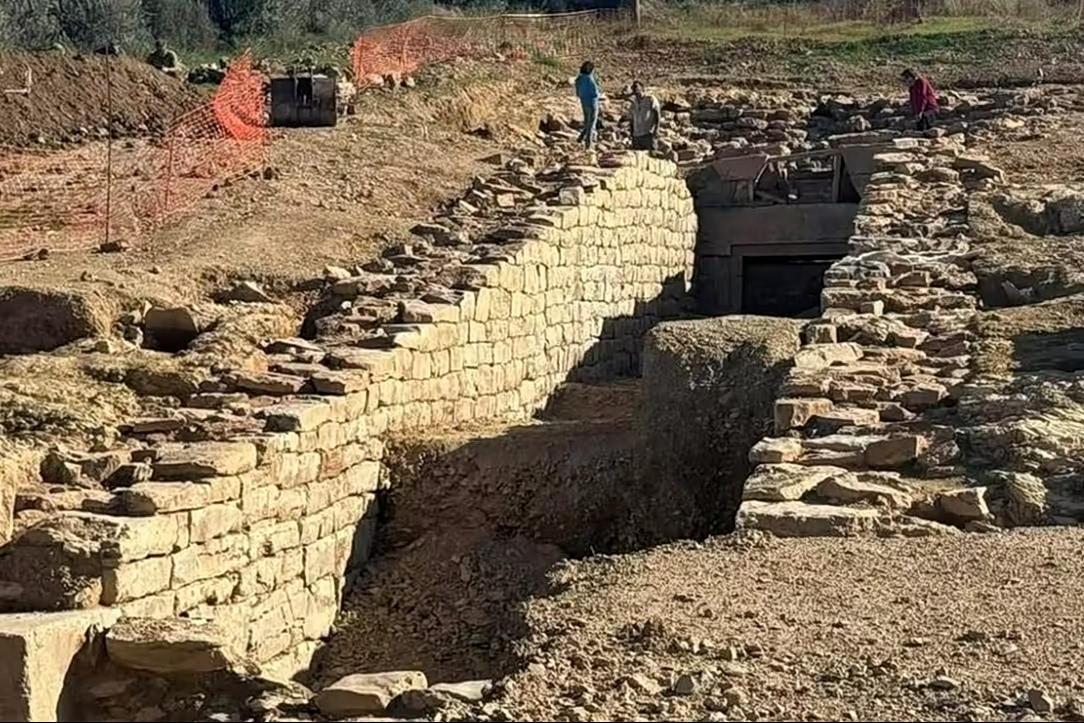
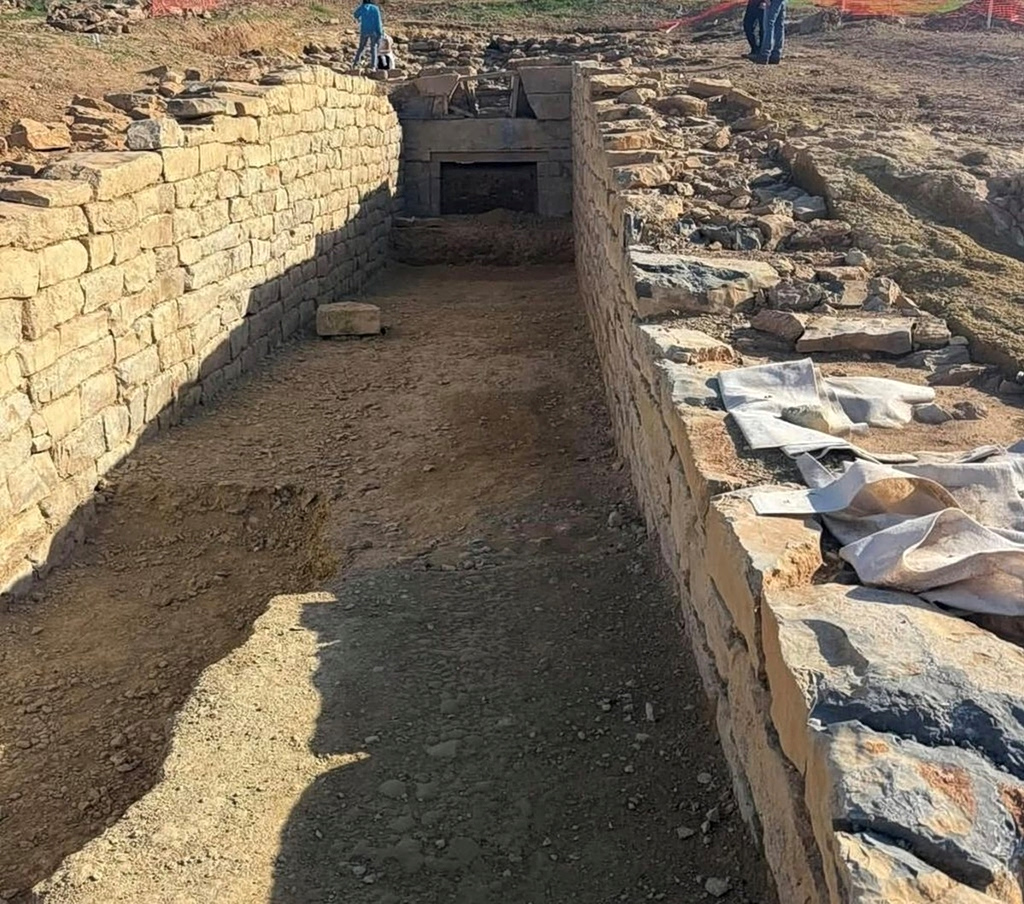
Dating to approximately 1200 BC, the monument is the 126th Mycenaean tholos tomb identified in Greece. Based on preliminary assessments of its dimensions, it is also believed to rank among the 20 largest of its kind in the country.
The discovery was made during infrastructure works and is being examined by the Ephorate of Antiquities of Evia. Initial archaeological assessments suggest that the tomb was intended for a person of considerable social and political standing, possibly a local ruler.
A rare monument of Mycenaean funerary architecture
Tholos tombs were among the most distinctive burial structures of Mycenaean civilization, which flourished across mainland Greece and the Aegean during the Late Bronze Age. Built with stone chambers and domed roofs, they were generally associated with powerful families and individuals who could command substantial resources and labor.
Their size and construction offer important evidence of the social hierarchy and political organization of Mycenaean communities. The best-known examples include the monumental Treasury of Atreus at Mycenae.
The Psachna Mycenaean Tomb dates to a period traditionally associated with the legendary Trojan War, although its discovery does not establish any direct connection with the conflict or the figures described in ancient epic poetry.
Much of Evia was inhabited by the Abantes, an ancient Greek population mentioned in Homer’s Iliad as having taken part in the expedition against Troy. Whether the newly discovered monument belonged to a leading figure of that community remains unknown.
Road project to be adapted to protect the monument
The discovery has prompted proposals to modify the Chalkida-Psachna bypass so that the archaeological remains can be preserved in their original location.
A bridging solution is being considered for the section crossing the site, allowing construction to continue while protecting the Mycenaean Tomb. Plans also envisage making the monument accessible to visitors following excavation and conservation work.
The final arrangements are expected to be determined by the Central Archaeological Council (KAS).
Recent archaeological discoveries
The discovery adds to a series of significant archaeological findings and conservation projects reported in Greece over the past year.
In January 2026, rescue excavations in Rafina, eastern Attica, brought to light an Early Bronze Age burial dating to the third millennium BC. The discovery included a large clay jar containing the remains of two individuals, alongside objects including obsidian points, pottery and a bronze implement. A nearby pit containing animal remains and evidence of burning was also interpreted as potentially connected with ritual practices.
In November, the remains of 79 men buried with their hands bound at the ancient Phaleron cemetery were presented in a purpose-built underground exhibition at the Stavros Niarchos Foundation Cultural Center. The burial, dating to more than 2,700 years ago, has provided evidence of political violence in early Athens, although the precise circumstances of the deaths remain uncertain.
Other major archaeological projects include continuing restoration work at the Kasta Tomb in Amphipolis, where the full extent of the monumental enclosure has been revealed, and excavations near the Small Theater of Epidaurus that have uncovered parts of an ancient urban center, including a sanctuary, fountains and stoas.