 Μake us preferred on Google
 Antonis Samaras is at the center of political news, returning more forcefully two days after his latest “blow” to the Prime Ministers office. He is making a new public appearance, having stated that he has made his decisions. Will he take the next step?
With his new “jabs” at the Mitsotakis government still fresh, Antonis Samaras is methodically preparing his next moves.
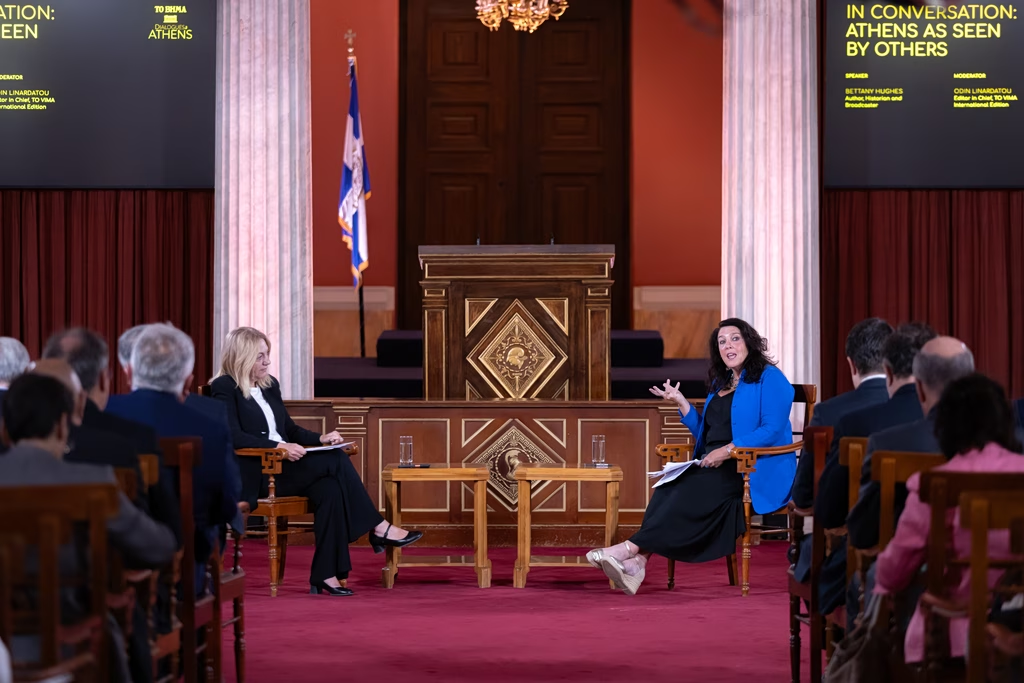
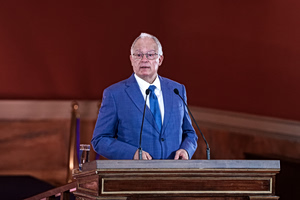
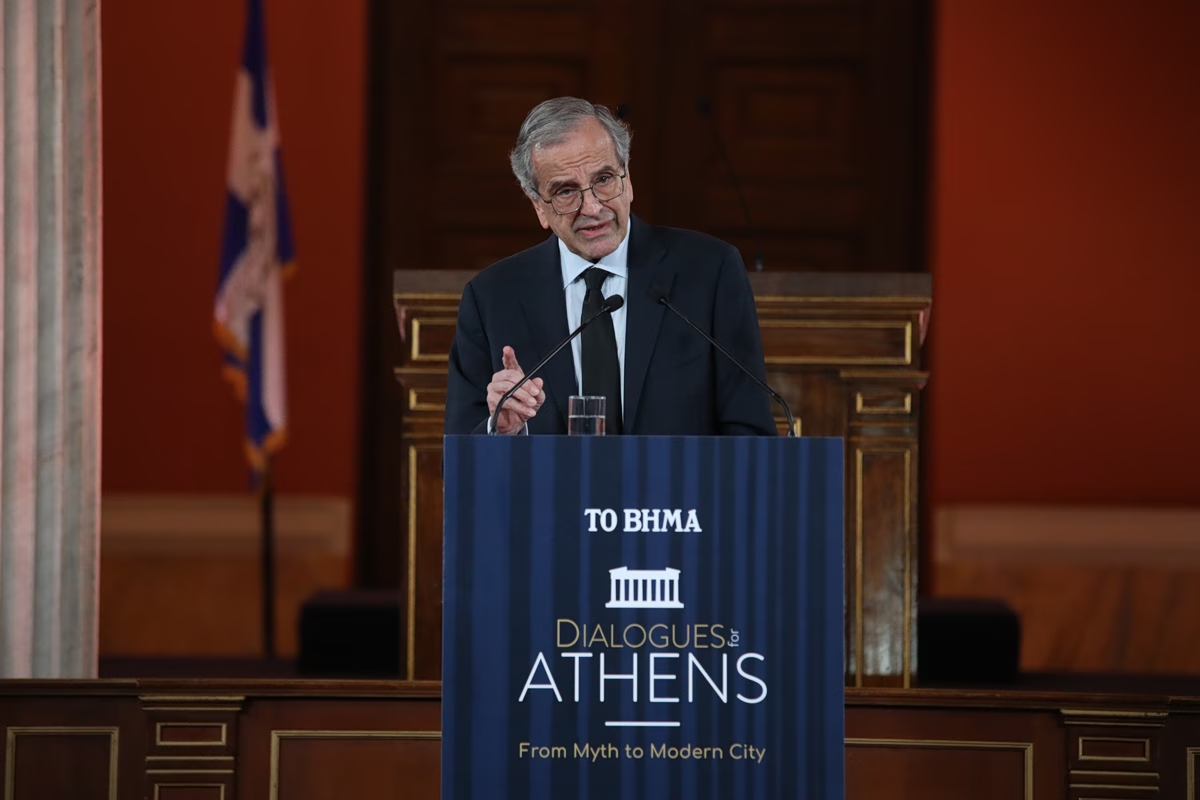
After accusing the Prime Ministers office of turning New Democracy into a “river” and criticizing the “cover-up” in the Tempi case, the former prime minister returns more forcefully, with a scheduled appearance at ΤΟ ΒΗΜΑ’s conference, titled “Dialogues for Athens: From Myth to the Modern City.”
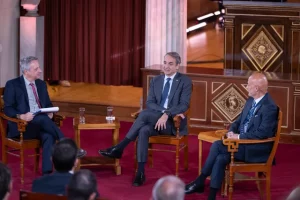
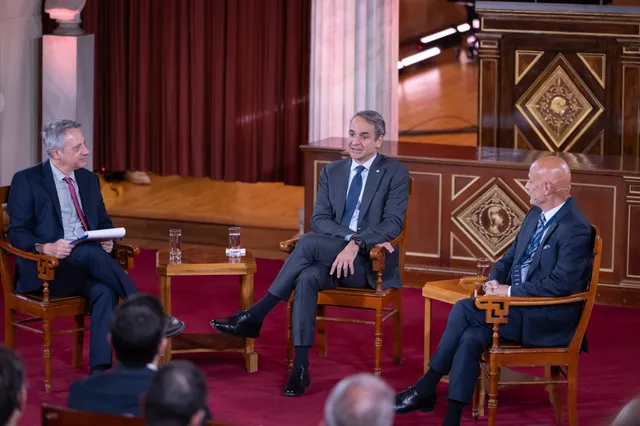
Samaras’s speech follows Kyriakos Mitsotakis’s morning discussion at the same conference.
Latest Developments
Antonis Samaras began his speech by talking about Athens and the history of major cities, before turning to the role of political leadership. He said he sees signs of decline in today’s Greece, as well as political responsibility for it, and took aim at displays of wealth and political correctness. The disappointment of the Greek people, he said, “is tangible and visible,” adding that “we must put an end to leveling neoliberal management” and that “it is my duty to contribute to my country.”
The former prime minister spoke of a decline in education, a retreat of spirituality and collective values, the dominance of a materialistic and individualistic mindset, and the abandonment of the Greek countryside.
In the second part of his speech, he said that “the first bailout memorandum was a mistake.” Referring to the handling of the second memorandum, he thanked Evangelos Venizelos for their cooperation during that period and argued that, despite great sacrifices, the country managed to move toward an exit from the crisis. In the same context, he described the 2013 primary surplus as a “global surprise,” recalling that the Eurogroup had committed in 2012 to take measures to reduce Greek debt if a primary surplus was achieved.
Samaras also said that the state coffers were empty when he took office, and revealed that Angela Merkel had suggested to him in Berlin that he consider the possibility of Greece leaving the euro. He said he flatly rejected the proposal, stating that Greece would make it.