
 Μake us preferred on Google
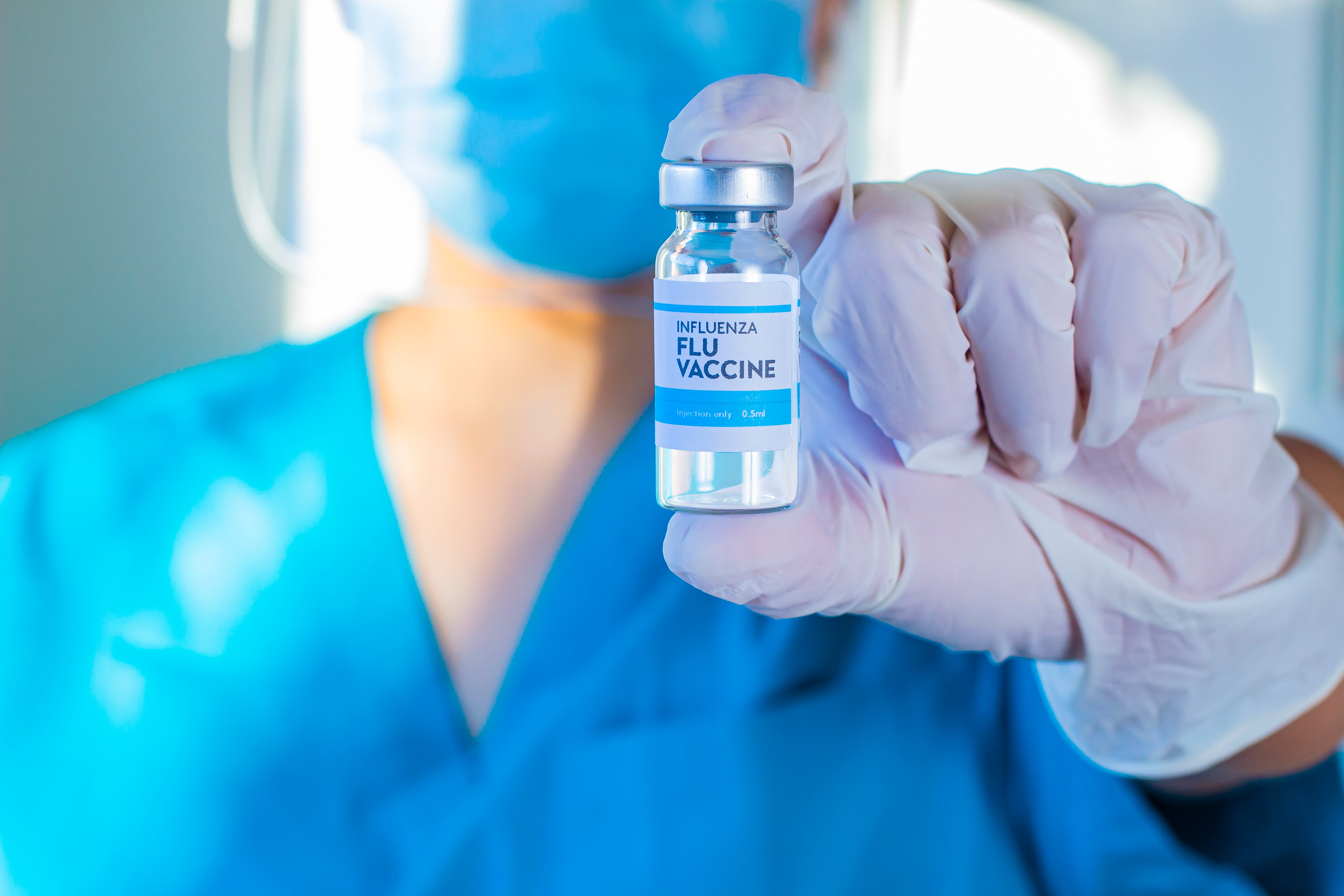
Greece is expected to receive approximately 800,000 additional flu vaccine doses by the middle of next week, as pharmacies struggle to meet demand during the peak of the annual vaccination campaign.
The pending deliveries account for about 40% of the quantities ordered from a single supplier last March. Total deliveries for the current flu season are expected to reach approximately 3.2 million doses.
However, delays in the supply chain, combined with demand exceeding initial expectations, have left pharmacies across the country temporarily out of stock. Some pharmacists have reported having no doses available, forcing people to visit multiple pharmacies in search of a vaccine.
The situation was also affected by more cautious ordering by some pharmacies after approximately 500,000 doses remained unused last year.
Apóstolos Valtas, president of the Panhellenic Pharmaceutical Association (PFS), told Ta Nea that the remaining doses are expected to reach warehouses by the end of this week and be distributed to pharmacies on November 23 and 24.
“According to this schedule, we are calling on those who have not yet been vaccinated, prioritizing vulnerable groups, to visit their local pharmacist from next Wednesday and get their flu shot,” Valtas said.
The association had previously sent a letter to VIANEX, the main supplier to the Greek market, requesting an update on outstanding deliveries. It stressed that Greece was already in the middle of its flu vaccination campaign and that delays were making it harder for people to get vaccinated on time.
The letter specifically called for the immediate delivery of all outstanding quantities of Vaxigrip, the main flu vaccine supplied to pharmacies in larger quantities for the annual vaccination campaign.
Manufacturer cites global supply chain delays
VIANEX attributed this year’s different delivery schedule to four factors affecting the vaccine’s manufacturer, Sanofi.
These include the need to incorporate three new strains into the vaccine, delays in identifying the candidate B strain, delays in sending the reference strain to manufacturers, and late delivery of the necessary reagents.
The company described these as external factors that had affected the global supply chain. It said the situation was expected to return to normal by November 25.
344 medicines remain in limited supply
Flu vaccines are not the only products facing availability problems in Greece. Pharmacists and patients continue to report difficulties finding medicines across several therapeutic categories.
The two latest shortage lists published by the National Organization for Medicines (EOF), Greece’s medicines regulator, contain a total of 344 entries for medicines with limited availability. Of these, 325 appear on the main list, while another 19 are included on a separate list of medicines designated for emergency coverage.
The affected products include anticoagulants and antiplatelet drugs such as enoxaparin, dipyridamole and ticagrelor, as well as medicines used to treat other conditions.
According to the EOF, the reasons for shortages vary. Some medicines are affected by delivery delays, while others face production problems or quality issues involving their active ingredients. In some cases, limited availability is attributed to increased demand.
The emergency coverage list also includes antibiotics and medicines used for specialized treatment needs.
Market representatives have additionally pointed to parallel exports as a factor contributing to shortages. They say that limited quantities supplied by some pharmaceutical companies, combined with exports to other markets, are making it harder to ensure adequate stocks of certain medicines in Greece.