 Μake us preferred on Google
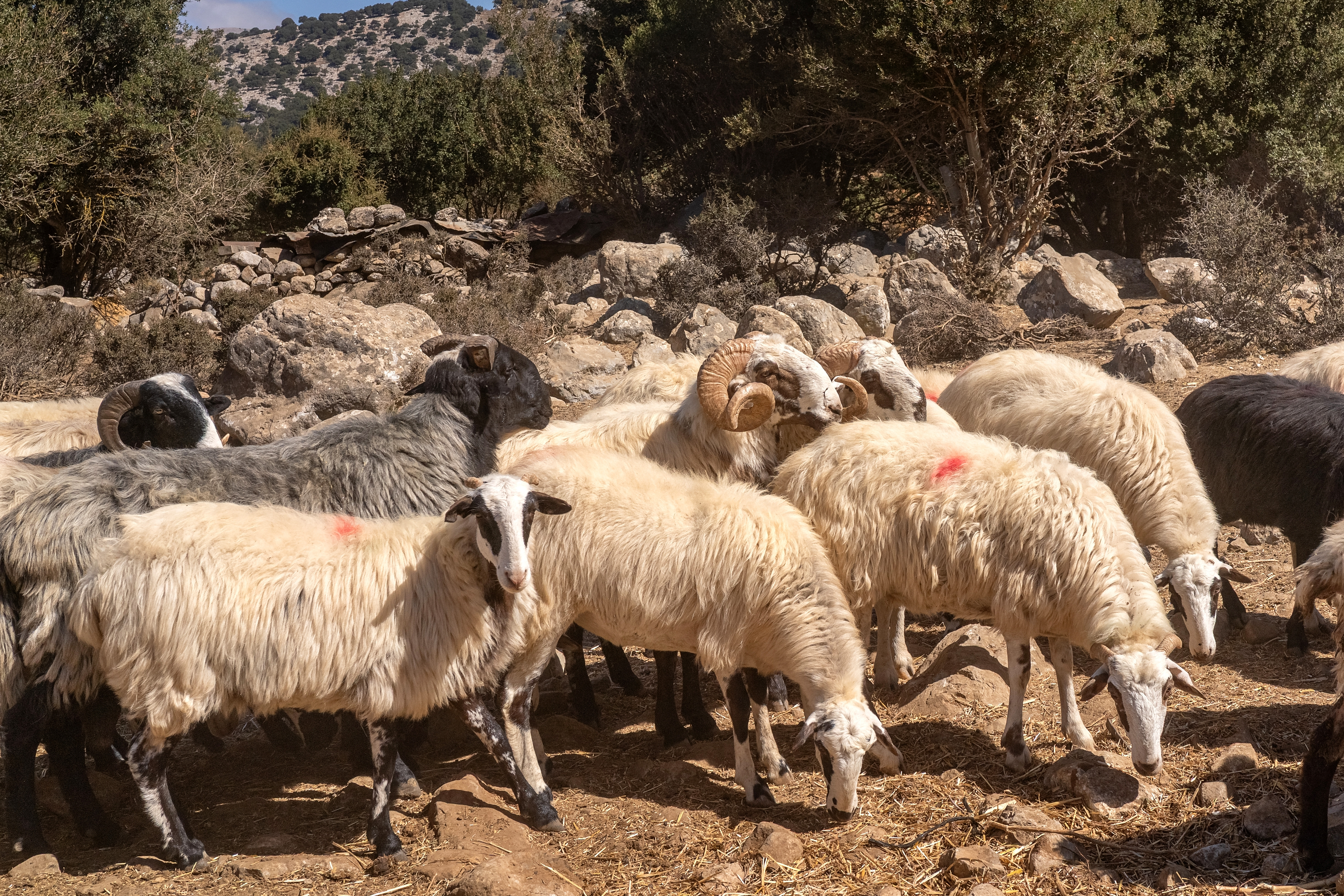
The sheep and goat pox outbreak in Greece has left hundreds of livestock farmers facing severe financial difficulties after authorities ordered the culling of entire herds to contain the disease. For many producers, rebuilding their businesses remains a major challenge, even after receiving compensation for the animals they lost.
One farmer, Mr. Tsiaras, said he was forced to slaughter all 2,300 animals at his livestock operation after the disease was detected in his herd.
“When they find the disease, they slaughter everything,” he told Ta Nea, describing how an initial number of 20 to 30 affected animals led to the loss of his entire herd.
He said he had more than €140,000 worth of animal feed in storage when the culling took place. Under the relevant protocol, feed was also supposed to be destroyed and compensated for, alongside the animals. However, he said this outstanding issue must be resolved before farmers can begin rebuilding their herds.
Tsiaras called on Prime Minister Kyriakos Mitsotakis to instruct the Agriculture Ministry and regional authorities to inspect affected farms, record the remaining feed supplies and compensate producers at market prices. He said the regional authorities had already documented the feed at his farm.
He also criticized the compensation provided for lost income, saying farmers received €70 per productive animal for 2025. According to his estimates, a dairy ewe producing 350 to 400 kilograms of milk annually, at a price of €2 per kilogram, generates €700 to €800 in revenue. He argued that the compensation was inadequate and called for more substantial support.
Rebuilding herds will require significant upfront investment, he added. Using the example of a farmer purchasing 300 animals at €400 each, he said the total cost would reach €120,000. Farmers would need the money in their bank accounts before suppliers would transport the animals to their farms.
He also said that although the government had pledged to cover 100% of the cost of rebuilding herds, the support must be paid in advance. He added that some farmers had struggled to insure their livestock after suffering losses from previous floods, including Storm Daniel.
Government outlines compensation measures
Speaking to MEGA television, Spyros Protopsaltis, secretary-general for Agricultural Development and Food, acknowledged the severity of the situation, citing both the sheep and goat pox outbreak and foot-and-mouth disease cases on the island of Lesbos.
He outlined three main forms of financial support for affected livestock farmers.
The first is compensation for animals slaughtered to contain the disease. Protopsaltis said all eligible farmers had been paid, with compensation reaching up to €250 per animal depending on its category and value. The average payment is approximately €180 per animal, which he described as the highest compensation rate in Europe.
The second measure covers lost income. Protopsaltis said the government had committed in November 2025 to providing compensation for the entire year, with payments for the first half of 2025 made during the summer. He said the amounts were calculated using official Finance Ministry data, with input from market representatives and academics.
The third measure concerns animal feed. Protopsaltis said compensation for feed had been provided for 2025, while an application platform for 2026 support opened on November 19. Livestock farmers can apply until December 3 to receive assistance for feed expenses throughout the year.
He clarified that farmers have two separate options: they can receive the general feed subsidy through the application process or seek compensation for feed destroyed because of the outbreak.
Protopsaltis acknowledged delays in some regions, particularly Thessaly, which has recorded the largest number of cases and faces a heavy workload involving the inspection, destruction and compensation of animal feed.
He also said farmers in areas subject to movement restrictions receive additional feed assistance of either €6 or €14 per animal, depending on how long the restrictions were in place.
The amounts outlined by the government include an average of €180 per slaughtered sheep, €70 per animal annually for lost income and €14 per animal annually for feed assistance.
Government seeks earlier herd rebuilding
Under current European regulations, livestock farmers must wait six months after the last recorded outbreak before rebuilding their herds.
Protopsaltis said the government was negotiating with the European Commission to introduce regionalization, which would allow the rebuilding process to begin earlier in areas where conditions permit.
The government has prepared a plan to support the recovery of Greek livestock farming and is discussing additional measures to help producers replace their animals, he said.
The proposal follows an announcement by Mitsotakis at the Thessaloniki International Fair that the government would introduce a recovery plan for the country’s livestock sector.
Protopsaltis said the proposed changes were still being examined and would be formally announced by the Agriculture Ministry once an agreement had been reached with European authorities.