 Μake us preferred on Google
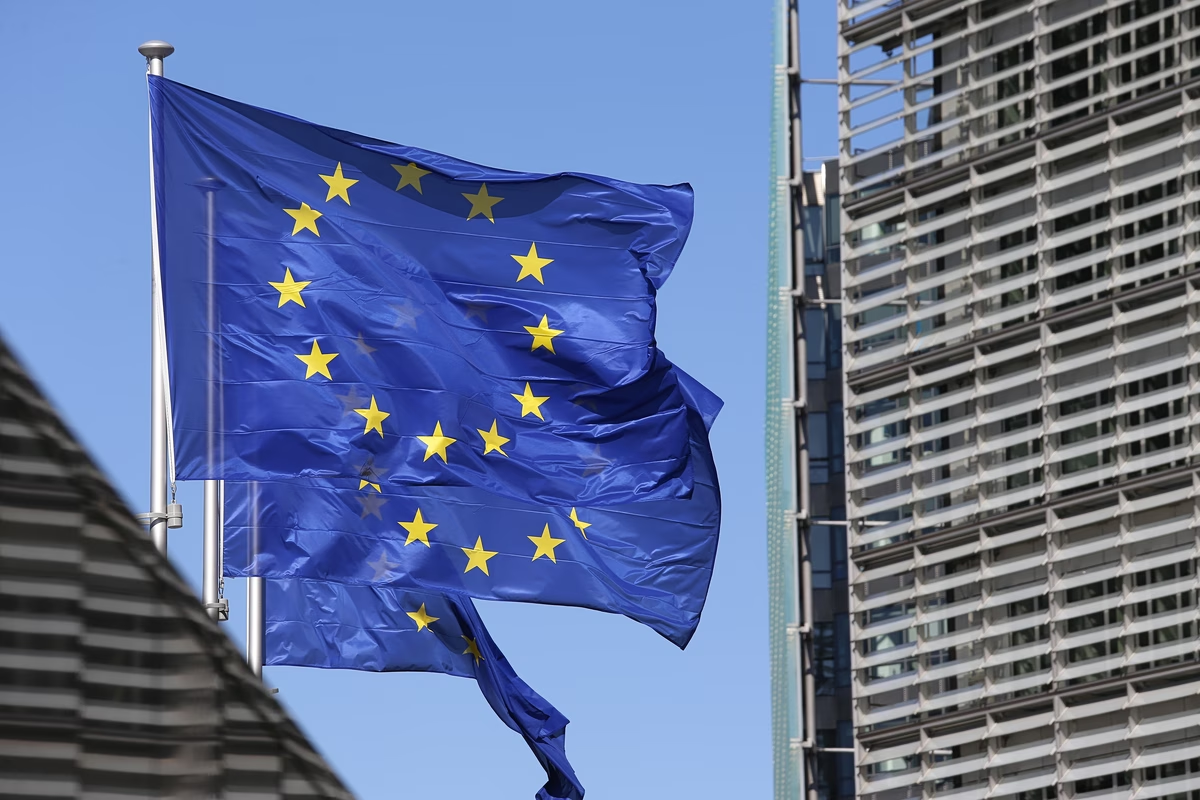
The European Commission has approved Greece’s final four payment requests under the EU’s Recovery and Resilience Facility (RRF), clearing the way for the country to receive 11.32 billion euros and complete its 35.95 billion euro recovery program.
The approval marks the final stage of Greece 2.0, the country’s national recovery plan, which has financed investments and reforms across health care, education, infrastructure and the economy over the past five years. But as the program draws to a close, attention is turning to what comes next. The Greek government is preparing to increase public investment and introduce new financing for businesses in 2027, while European Commission forecasts point to a sharp slowdown in investment growth once recovery funding winds down.
Greece Secures Final EU Recovery Fund Payments
The Commission’s positive assessment covers 172 milestones and targets linked to Greece’s final four payment requests, including 160 under the grant component and 12 under the loan component. The payments are expected to be completed by the end of 2026, following the remaining approval procedures by the EU’s Economic Policy Committee and Economic and Financial Committee.
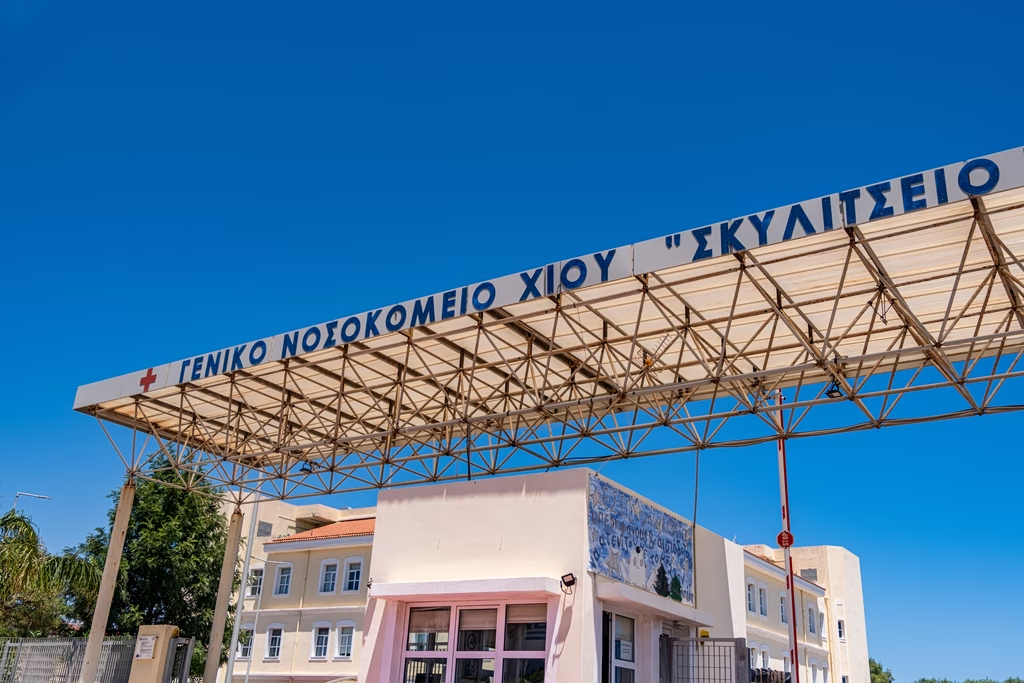
According to government figures, Greece has completed 176 reforms and investments and met 376 milestones and targets under what was the EU’s largest recovery program relative to the size of a member state’s economy. Among the initiatives financed through Greece 2.0 were renovations at 80 public hospitals and 146 health centers, as well as the Prolamvano preventive health screening program, which has reached more than 6 million people, according to government figures.
The funding also helped more than 90,000 households improve their homes’ energy efficiency and paid for 425 electric buses in Athens and Thessaloniki. Schools received more than 39,000 interactive whiteboards and 177,000 robotics and STEM education kits, while more than 120,000 small and medium-sized businesses received grants for digital tools and other improvements.
What Will Replace the Recovery Fund?
Finance Minister Kyriakos Pierrakakis has outlined plans to increase public investment and expand access to business financing once the EU recovery program ends. Under the proposed plans, funding for the Public Investment Program will rise from 9.8 billion euros in 2026 to 11 billion euros in 2027. A separate 1.5 billion euro program will provide loans and guarantees to small and medium-sized businesses.
Investment projects already underway are also expected to continue beyond 2026. According to Pierrakakis, projects worth a combined 29.3 billion euros have been contracted, financed through Recovery Fund loans, bank lending and companies’ own funds. He also expects 3.2 billion euros in Recovery Fund loans to be disbursed in 2027.
However, the 29.3 billion euro figure represents the total value of contracted projects, not the amount that will be invested next year. Whether the government meets its investment targets will depend on how much spending actually takes place in 2027, both on existing projects and on new investments.
Why Brussels Expects Investment to Slow
The European Commission expects investment in Greece to slow sharply as EU recovery funding comes to an end. Its latest forecasts show investment in buildings, machinery and equipment growing by 7.3% in 2026, before dropping to 2.5% in 2027 and 2.6% in 2028.
The Greek government is far more optimistic. It expects investment to grow by 7.9% in 2027, more than three times the Commission’s forecast, with total investment reaching 47 billion euros.
The two sides also disagree on the outlook for the wider economy. The government forecasts economic growth of 2.3% in 2027, while the Commission expects it to slow from 1.8% in 2026 to 1.5% in both 2027 and 2028. Brussels also warns that the loss of recovery funding will come at a difficult time for businesses, which are already facing high energy costs and tighter financing conditions. This could make it harder for companies to launch new projects and for investment to grow as quickly as the government expects.
With information from OT.gr