 Μake us preferred on Google
 Former Greek prime minister Alexis Tsipras put what he called greater Athens’ acute housing crisis at the center of a wider critique of the government on Wednesday, while also setting out his political ambition to again bring Greece’s now fractured center-left and progressive forces, as he calls it, together behind an “alternative program” for government.
View this post on Instagram
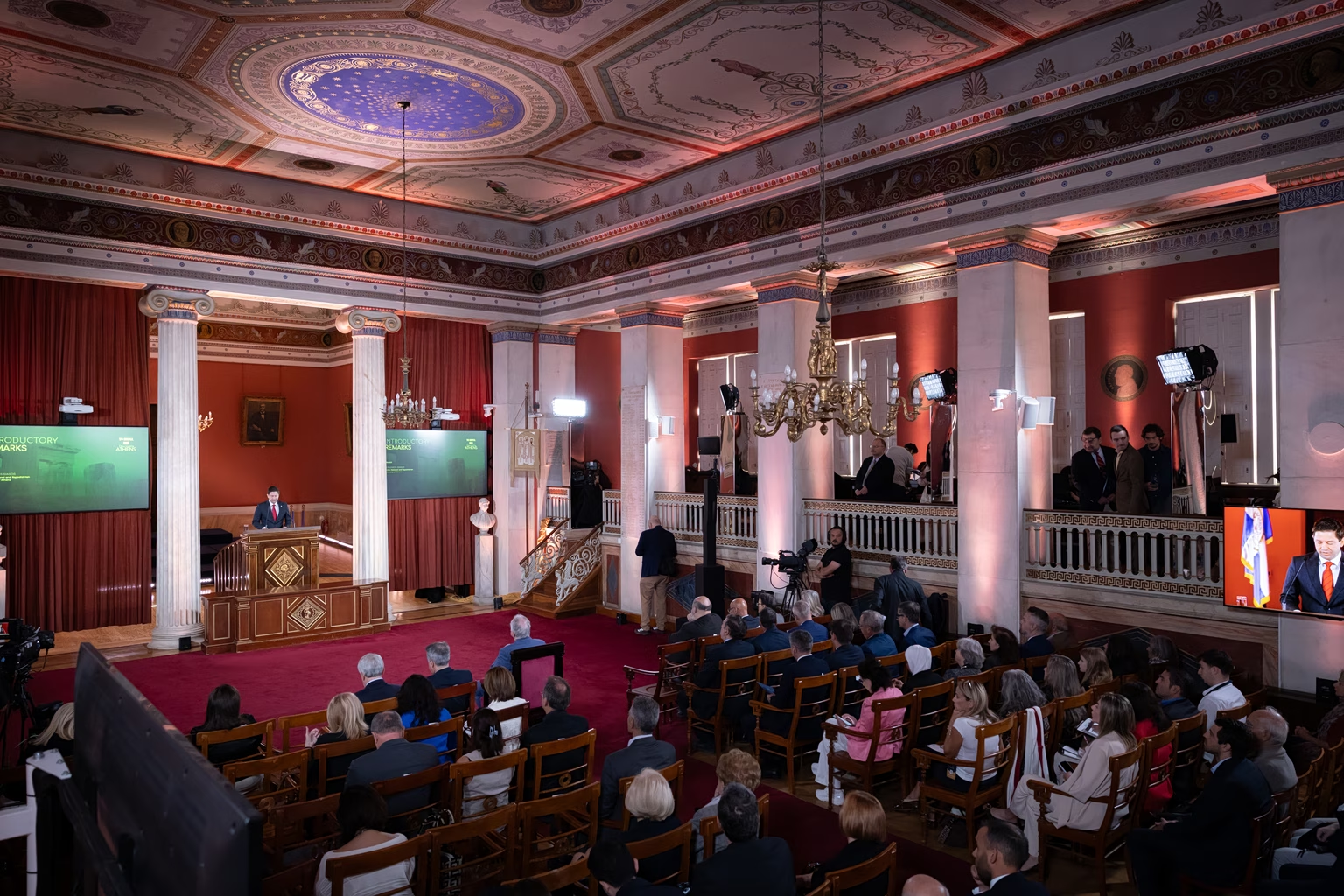
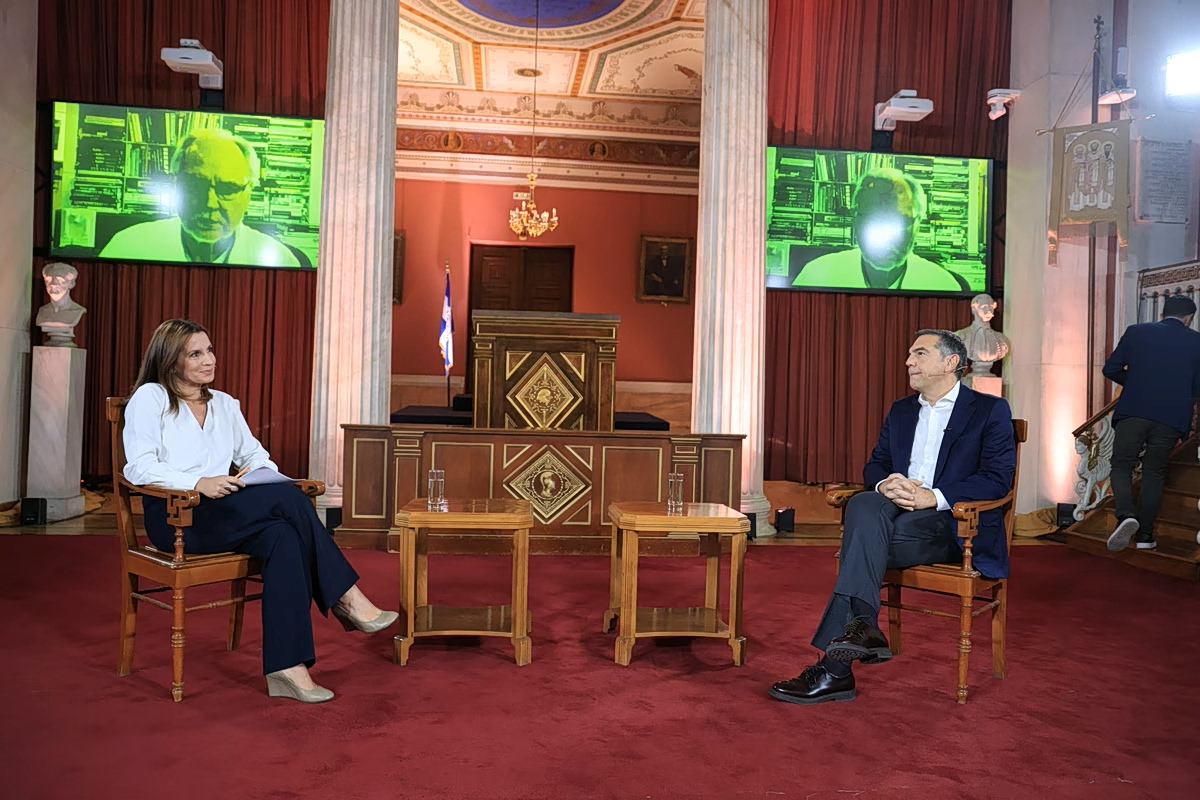
Speaking at the two-day “Dialogues for Athens: From Myth to the Modern City” conference, organized by To Vima, at the National and Kapodistrian University of Athens, Tsipras discussed the capital’s longstanding structural problems and outlined his proposals during a discussion on the subject of a sustainable development strategy
Tsipras said that if Greek voters returned him to office, he would seek to form a “progressive government” based on what he described as a “radical, realistic alternative political plan.”
He said he would seek cooperation with “all democratic and progressive forces” willing to engage in discussions based on that program, provided his political formation emerged as the largest party.
“I am not here to divide the progressive camp. I am here to unite the progressive camp. To unite the center-left,” Tsipras said.
His remarks provided one of his clearest statements yet on the political alliances he would pursue as part of his attempted return to the forefront of Greek politics.
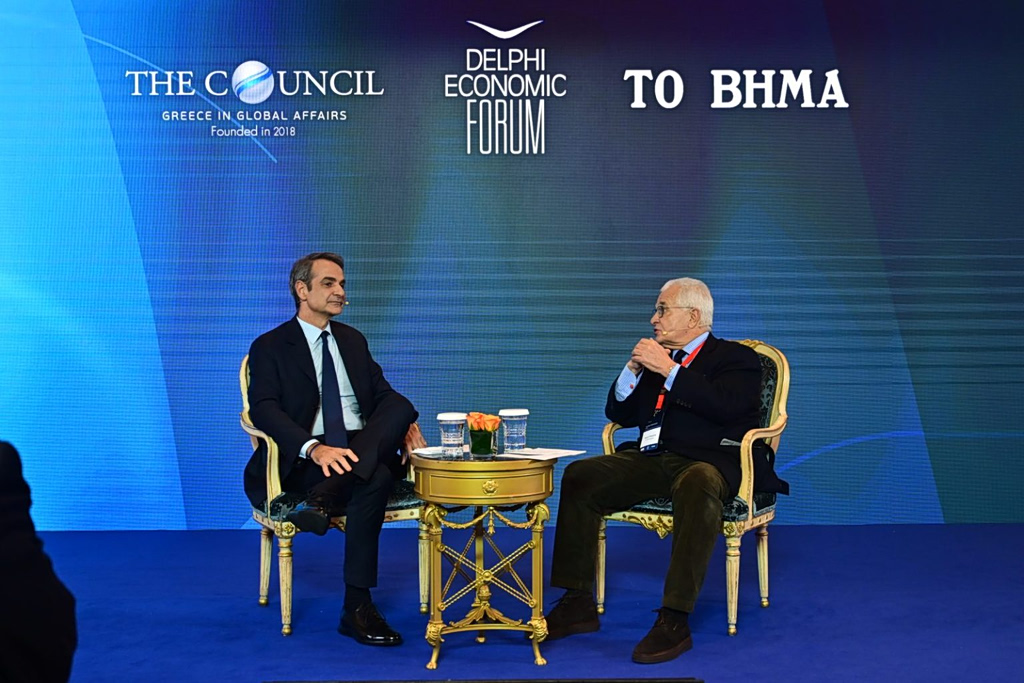
Tsipras also sharply criticized Prime Minister Kyriakos Mitsotakis’ record on housing, taking aim at a proposal presented by the prime minister at the same conference a day earlier to offer additional building rights as an incentive for the construction of homes destined for the rental market.
“When you have been prime minister for seven years, you don’t come along with nice ideas about the most critical, pressing issue facing Greek society. You come with an account of what you have done,” Tsipras said.
He argued that despite 36 billion euros in resources from the European Union’s Recovery and Resilience Facility passing through the government’s hands, not a single new home had been constructed as part of a dedicated public housing policy.
Housing has become an increasingly acute issue in Athens, where sharply higher rents, the expansion of short-term rentals and a shortage of affordable properties have placed growing pressure on households, particularly younger residents and lower- and middle-income families.
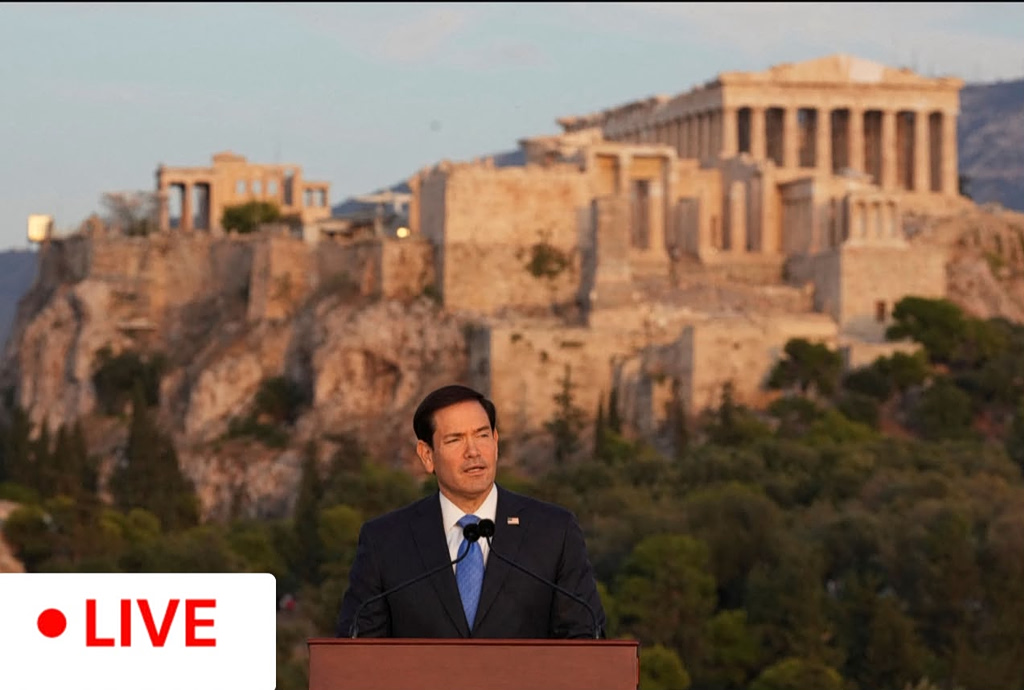
Tsipras also touched on foreign policy during the discussion, which coincided with US Secretary of State Marco Rubio’s visit to Athens. He expressed reservations over plans for the Pnyx — one of the most symbolically important sites of ancient Athenian democracy — to be used for a speech by the US secretary of state.
The “Dialogues for Athens: From Myth to the Modern City” conference was held Oct. 6-7 in the historic Great Hall of the National and Kapodistrian University of Athens. Organized by the Athens daily To Vima under the auspices of the university and the City of Athens, with the support of the Delphi Economic Forum, the event brought together political leaders, academics, economists, architects and cultural figures to examine the evolution and future of the Greek capital.