
 Μake us preferred on Google
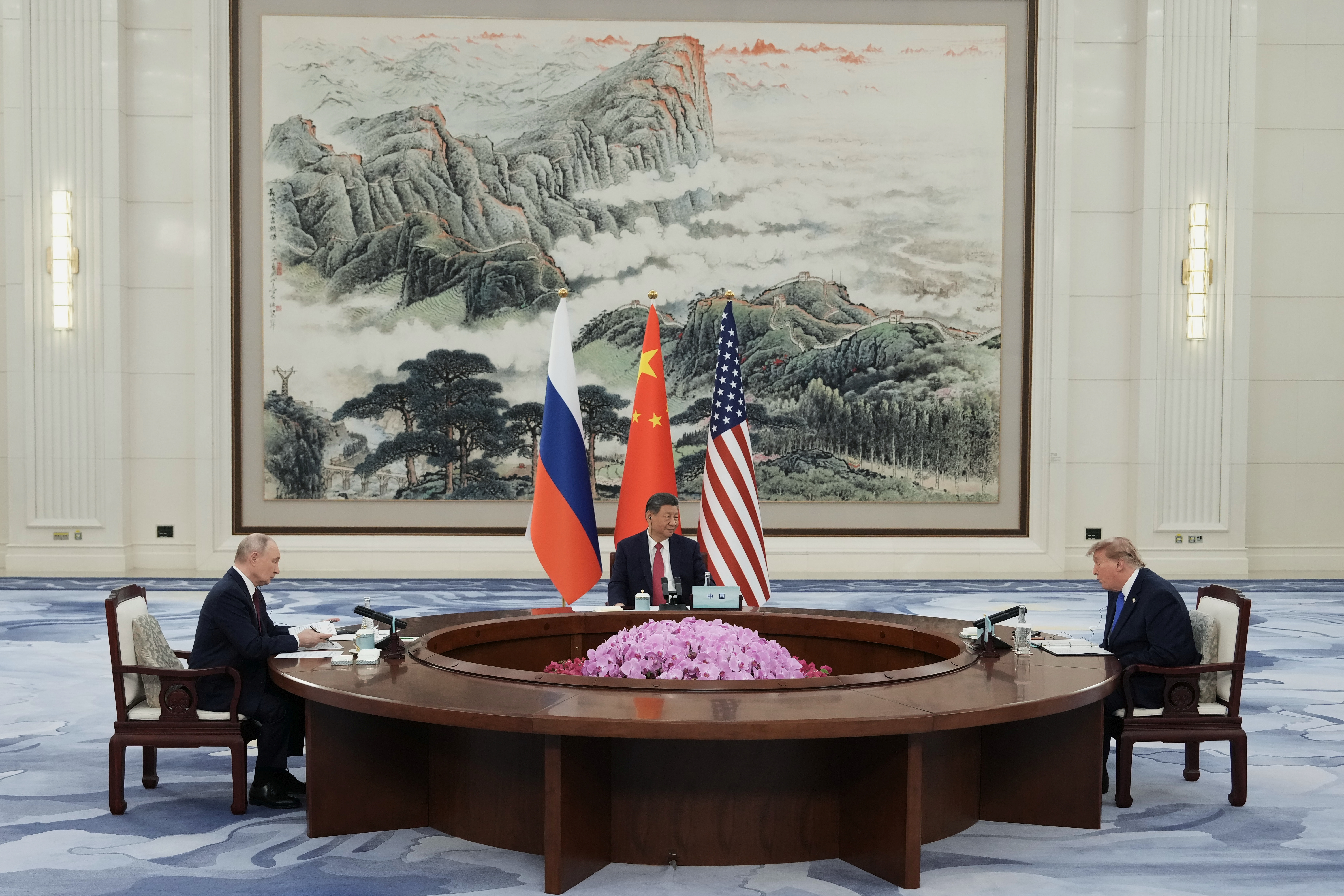
US President Donald Trump and Chinese President Xi Jinping agreed that humans should always be involved in military decisions that use artificial intelligence, Treasury Secretary Scott Bessent said on Friday. He said the commitment holds even as the two countries compete for AI dominance.
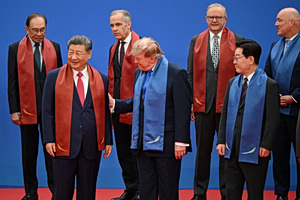
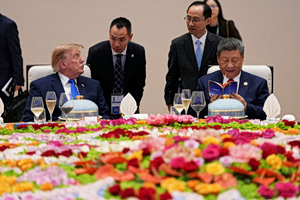
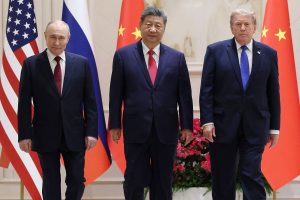
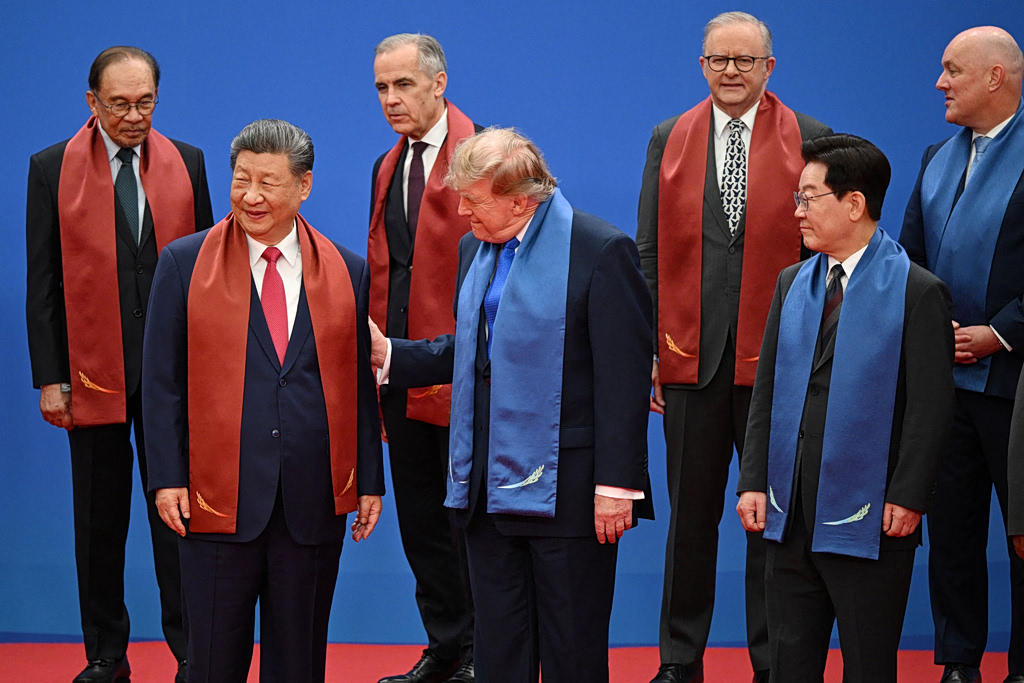
Speaking to CNBC after returning from Trump’s meeting with Xi in Shenzhen, Bessent described the agreement as one of the main achievements of the president’s Asia trip.
Bessent said it was very important that the two leaders agreed that humans should always be involved in any military decisions made by “SI,” and that the technology should not be allowed to act autonomously in major military actions. SI, short for “super intelligence,” is the Trump administration’s preferred term for AI.
Competition Aside
According to Bessent, the agreement on military use of the technology requires human involvement and other safeguards. He said it would not be affected by the race between the two countries for AI leadership.
“But there’s nothing to do with competition when it says that both sides agree that no major military operation should be launched without a human being involved,” he said.
He also said US AI labs must keep their technological lead, since that is the best defense against “dangerous” Chinese AI models being used in cyberattacks.
The AI understanding was one of the few concrete outcomes of the summit. The main economic outcome was a two-month extension of the existing U.S.-China trade truce, which now expires Jan. 10, 2027 instead of Nov. 10, short of the three to six months Wall Street had been discussing. The two countries also agreed to set up what the White House calls a “Super Intelligence Dialogue” and an emergency communication channel, though the details remain to be worked out.
Huang Scandal Not Raised
Bessent said the spying allegations involving former Nvidia CEO Jensen Huang and a Chinese national he was romantically involved with did not come up in the Trump-Xi meeting.
Huang resigned on November 12 as president and chief executive of Nvidia, the company he co-founded in 1993, after two weeks of reports about his personal relationships that raised questions of US national security. Nvidia’s board named Chief Financial Officer Colette Kress as interim chief executive.
The board had met to discuss Huang’s future after revelations about his affair with Alice Huang, a former executive at Singapore-based Megaspeed International suspected of being a Chinese government agent. The two are not related. Nvidia’s board opened an independent investigation, saying it had no reason to believe national security or company secrets were compromised, and Trump said the FBI was investigating. China has rejected the allegations, calling reports of a suspected Chinese intelligence plot a smear campaign against Beijing.
Chip Restrictions
Bessent said Nvidia’s second-tier AI chip, the H200, remains the most advanced chip China can buy with licenses, after Trump took what Bessent called a “very firm line.”
He said there had been very few Chinese orders for the H200 as Beijing tries to build its own chip supply chain, adding that China is probably “many years behind.”
Bessent also played down differences he had previously voiced with Commerce Secretary Howard Lutnick over AI chip restrictions in the wake of the Nvidia scandal. He said administration officials were “all committed to following President Trump’s instructions.”
On Monday, the Commerce Department took further steps to limit China’s access to advanced AI chips, including chips in overseas data centers where Chinese companies can rent computing power. Under the new interim rule, companies will need licenses to export, reexport, or transfer AI chips and servers to data centers anywhere in the world if they may provide compute to companies in China or other restricted countries. The department also added licensing rules for advanced chip shipments heading to Singapore, Malaysia, Indonesia, Thailand, and Brazil.
“I think we are going to see that the proper chip restrictions are in place, and the remote access has been curtailed,” Bessent said.