 Μake us preferred on Google
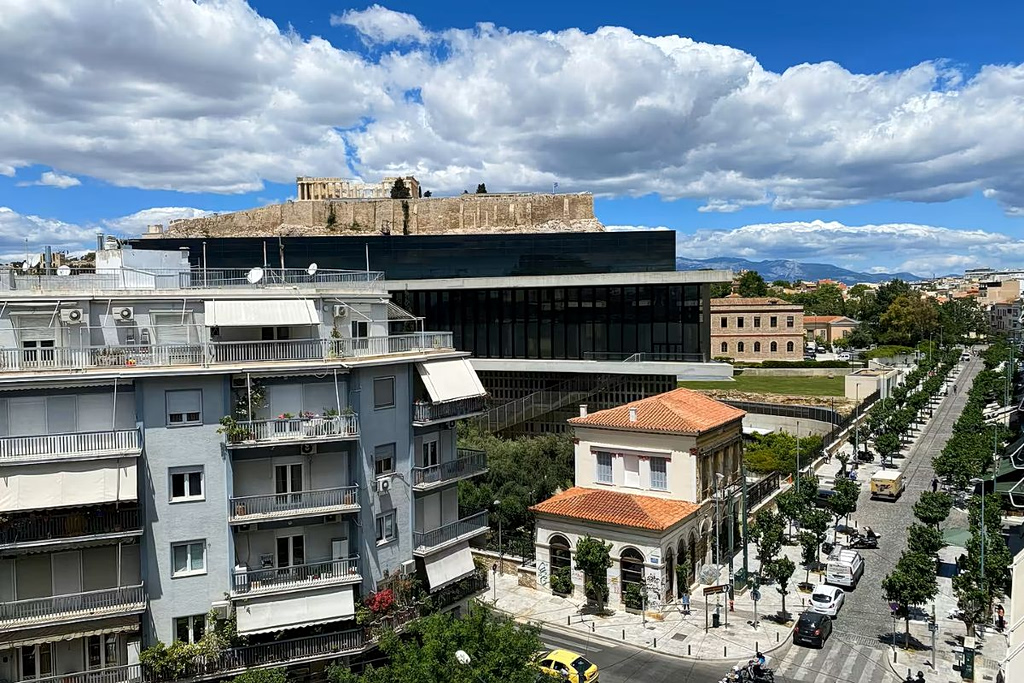
The Acropolis Museum is launching a new exhibition series devoted to ancient civilizations that remain relatively unfamiliar to Greek and European audiences, opening with a presentation of ancient Armenia ‘s rich archaeological and cultural heritage spanning several millennia.
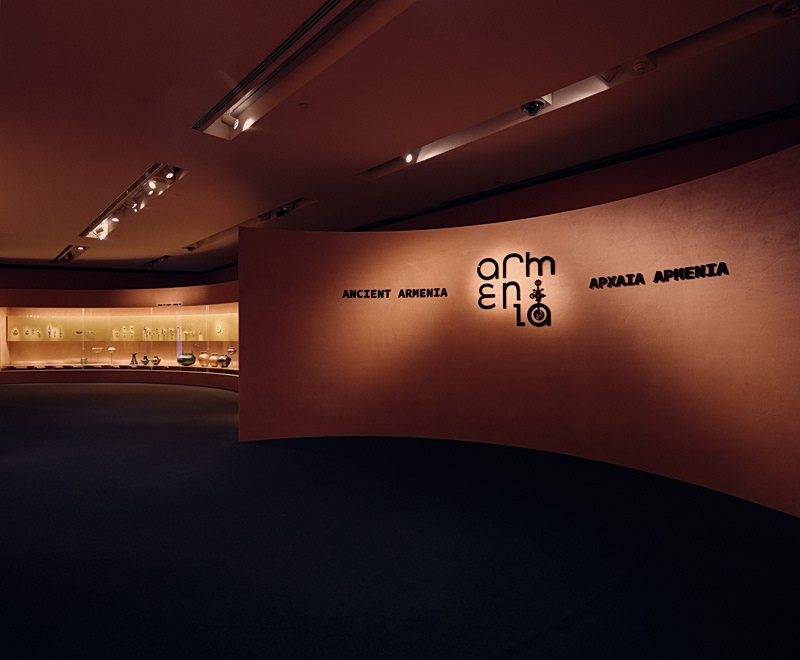
Titled “Ancient Armenia,” the exhibition runs from Nov. 20 through Feb. 28, 2027, and is organized in collaboration with the History Museum of Armenia. It presents 198 works from the Armenian museum’s collections, alongside selected objects from museums in Greece and Cyprus.
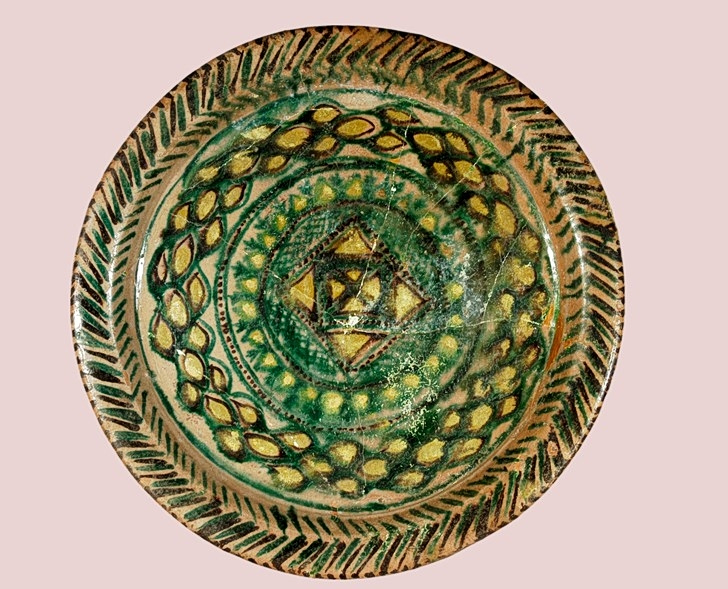
The exhibits trace the development of Armenian civilization from the Paleolithic and Neolithic periods through the Bronze Age and Early Iron Age, with particular emphasis on the Kingdom of Urartu, continuing through the Yervanduni and Artaxiad kingdoms, the Hellenistic and Roman periods and the advent of Christianity and medieval Armenian culture.
The exhibition seeks to broaden perceptions of Armenia, whose history is often associated primarily with its more recent past and Christian heritage, by highlighting the ancient foundations of its civilization and its connections with neighboring regions.
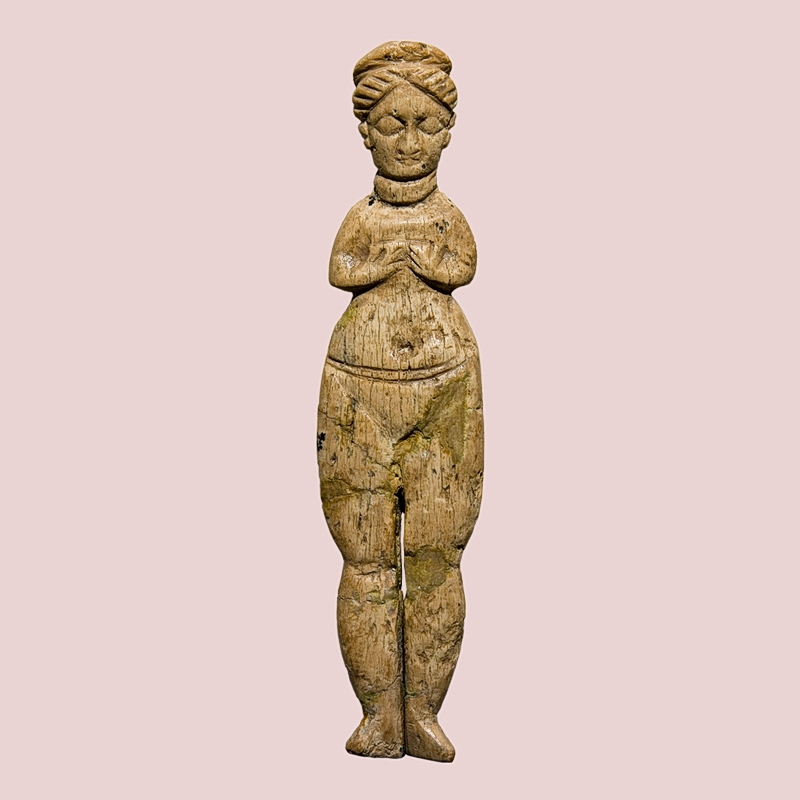
“Armenia is primarily known to us through its more recent history, including the contraction of its territory and events that remain part of the collective memory of successive generations,” Acropolis Museum Director General Nikolaos Stampolidis said during the exhibition’s presentation. Culturally, he noted, the country has largely been associated with its Christian period, which has already been explored through exhibitions in Greece and elsewhere in Europe.
The new initiative aims to shed light on a much earlier chapter, he said, adding that the Kingdom of Urartu offers particularly intriguing possibilities for further research.
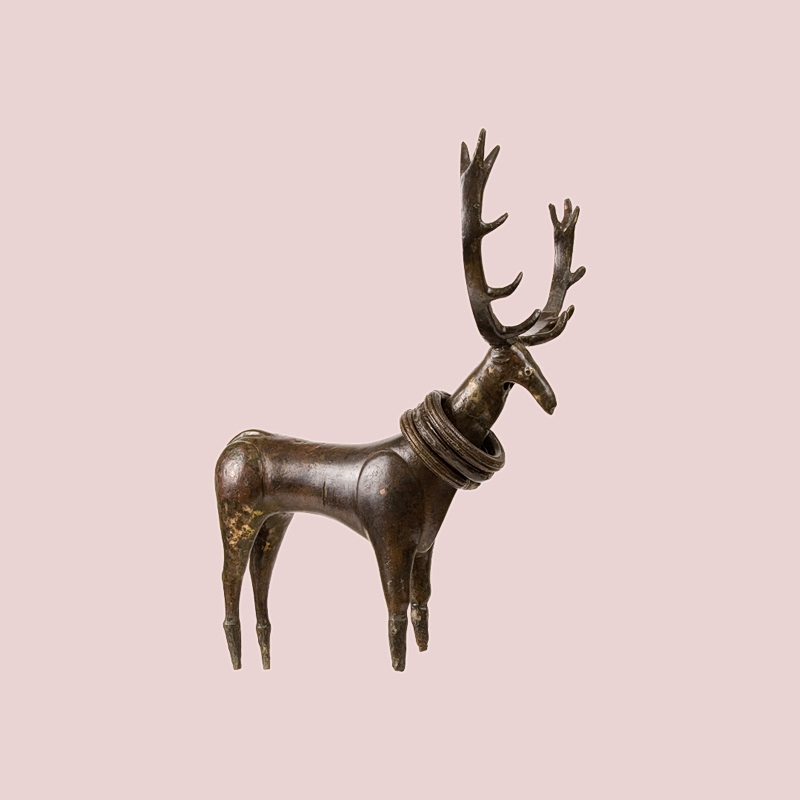
One of the exhibition’s central themes is the kingdom’s connections with other parts of the ancient Near East, beyond its better-documented relations with Assyria. Stampolidis highlighted potential cultural links with the eastern Mediterranean, Cyprus, the Aegean and Crete, which remain relatively unexplored.
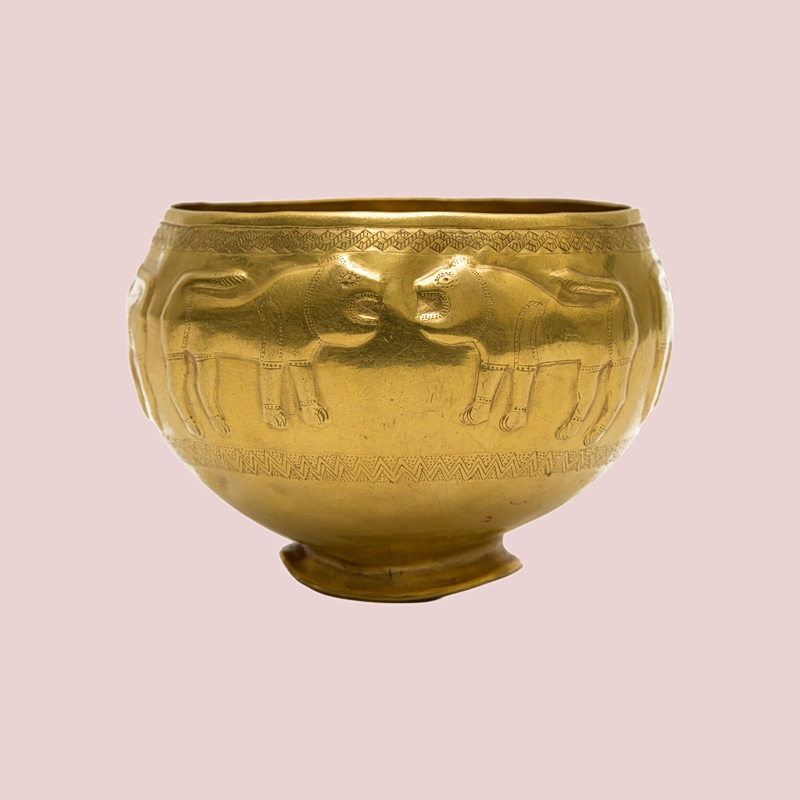
Urartu’s achievements in metallurgy provide an important starting point for investigating these connections. Its metalwork, including bronze cauldrons, shields, belts and animal figurines, offers clues not only to technological exchanges but also to possible ideological, religious and cultural influences circulating across the region.
From Urartu to the Armenian Empire
Established in the ninth century BC, the Kingdom of Urartu extended across territories that today form parts of eastern Turkey, Armenia and northwestern Iran, with its political center around Lake Van. It reached the height of its power in the eighth century BC, emerging as one of the strongest states of the ancient Near East.
Its political and cultural legacy subsequently became an important foundation for the development of early Armenian statehood and civilization.
A later period of expansion came under Tigranes II the Great, who ruled from 95 to 55 BC. Following victories against the Parthians and Seleucids, Armenia emerged as a major regional power, extending its territory well beyond the Armenian Highlands.
At the height of its expansion, the Armenian Empire reached the shores of three seas: the Caspian to the east, the Black Sea to the northwest and the Mediterranean to the southwest.
The exhibition also explores the transition from Urartu to the Yervanduni dynasty, under Achaemenid Persian rule, and the subsequent Artaxiad kingdom, when Armenia became an important crossroads of Hellenistic, Iranian, Anatolian and Caucasian cultures.
A Greek-Armenian cultural partnership
History Museum of Armenia Director Davit Poghosyan described the exhibition as a major international cultural event reflecting the longstanding historical and cultural connections between Armenia and Greece. He said its presentation at the Acropolis Museum offered a unique opportunity to introduce ancient Armenian heritage at one of the world’s most important historical and cultural sites.
Armenian Ambassador to Greece Tigran Mkrtchyan also emphasized the significance of hosting the exhibition at the Acropolis Museum, particularly its focus on the country’s ancient rather than exclusively Christian heritage.
The initiative is supported by the Armenian Ministry of Education, Science, Culture and Sports and the Armenian Embassy in Athens.
Alongside the archaeological exhibits, visitors can watch a video presentation exploring the relationship between ancient and modern Armenia and tracing the lasting influence of its civilization across Asia and the eastern Mediterranean.
The exhibition is housed in the Acropolis Museum’s Temporary Exhibition Gallery on the ground floor. Admission is free, although visitors must obtain a complimentary ticket from the museum’s ticket desk.