 Μake us preferred on Google
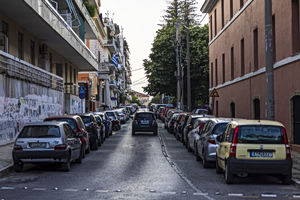
Greece is preparing changes to its Traffic Code that would revise penalties for certain lower-risk violations, including driving a vehicle without the appropriate license category and illegal parking.
The proposed amendments are part of a bill being drafted by the Ministry of Infrastructure and Transport, which is expected to enter public consultation in the coming weeks. The stated aim is to make penalties more proportionate without weakening the rules governing serious traffic offenses.
One of the key changes would allow drivers caught operating a vehicle category not covered by their license to qualify for its return sooner, provided they meet specific requirements.
Under the current rules, such drivers can face a one-year license suspension. Under the proposed system, a motorcyclist caught riding with a license for a lower vehicle category could, after one month, pay the fine and take an examination to obtain the appropriate higher-category license. If successful, the driver would have the license returned without having to wait out the full year.
The proposal is intended to encourage drivers to obtain the correct license rather than simply serve the suspension period.
Higher fines, shorter license suspensions for illegal parking
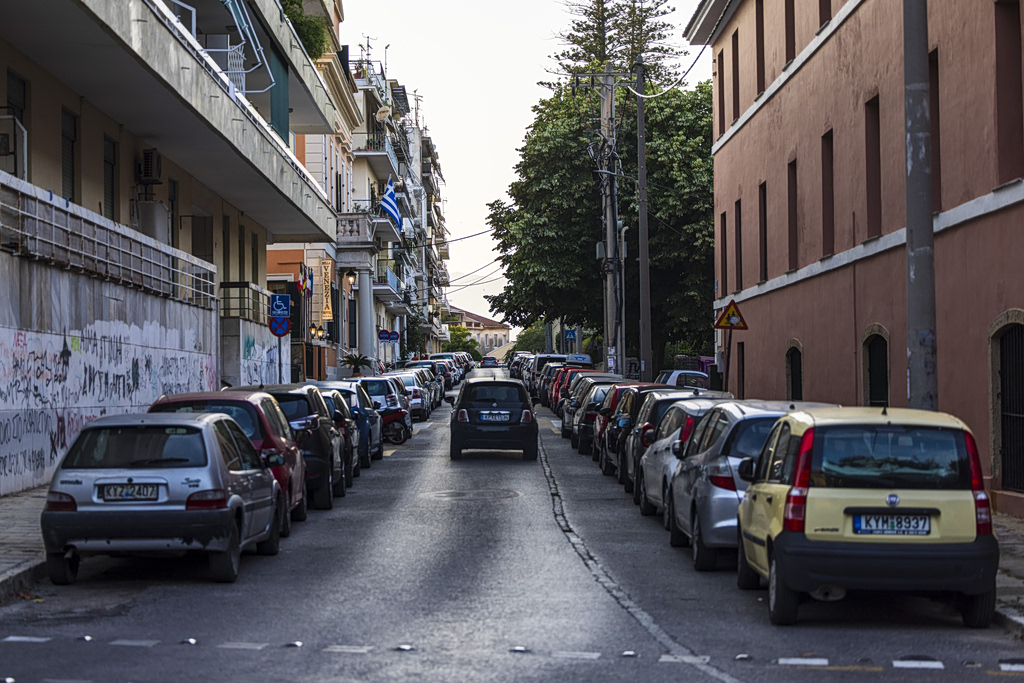
The ministry is also considering changes to penalties for illegal parking, including increasing monetary fines while reducing the period for which a driver’s license is taken away.
However, strict penalties would remain in place for serious and socially harmful parking violations, including parking in spaces reserved for people with disabilities, on sidewalks, pedestrian crossings and bus lanes.
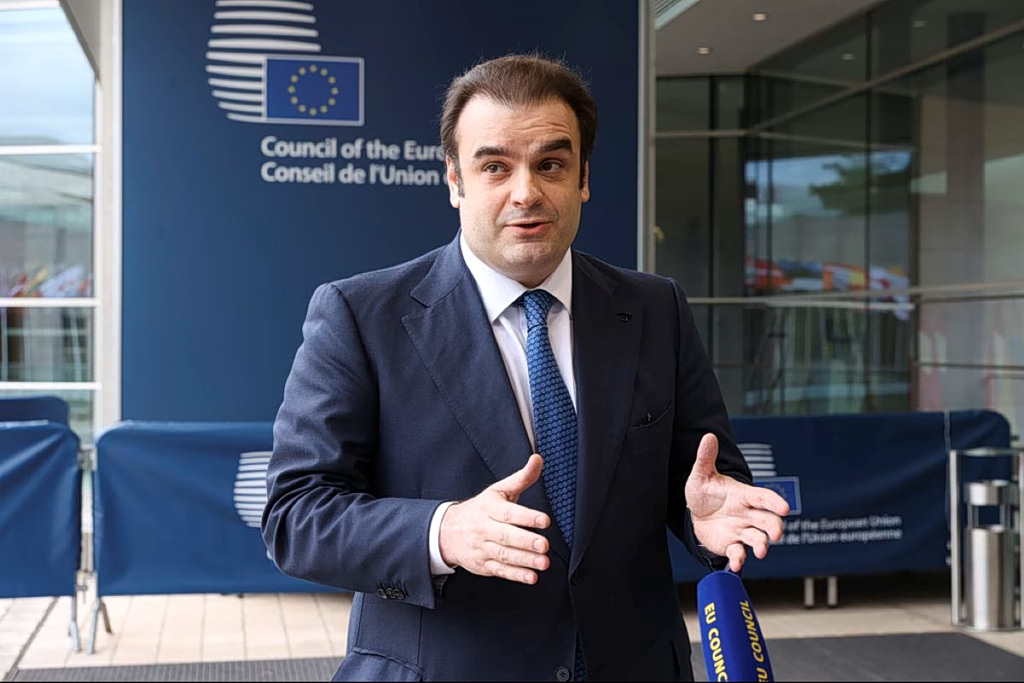
Deputy Infrastructure and Transport Minister Giorgos Kotsiras told the Athens-Macedonian News Agency (AMNA) that the proposed changes would preserve the overall approach of the Traffic Code, which he described as a key tool in efforts to reduce road deaths.
“We are maintaining the overall philosophy of the Traffic Code intact,” Kotsiras said. “We remain committed to strictly addressing serious violations while making targeted adjustments to lower-risk offenses, so that penalties are more proportionate and effective.”
Government cites decline in road deaths
The proposed changes form part of a broader government effort to improve road safety and bring Greece’s rate of fatal traffic accidents in line with the European Union average.
Ministry officials said that, during the first 10 months of 2026, Greece recorded 56 fewer road deaths than in the corresponding period last year, along with a significant reduction in injuries.
The government’s approach includes stricter traffic regulations, increased police checks—particularly for drunk driving—and the use of traffic cameras, which officials say serve both as a deterrent and as a means of enforcing the rules.