

 Μake us preferred on Google
The investigation followed a police pursuit in Ioannina on Wednesday, when a traffic police officer spotted a suspicious vehicle carrying three people. The driver ignored an order to stop and sped towards the University General Hospital of Ioannina, breaking through the entrance barrier to its parking area.
The officer attempted to block the vehicle with his motorcycle, but the driver allegedly accelerated and rammed it, forcing him to jump clear. The officer fired seven shots towards the vehicle’s tires, but it managed to escape.
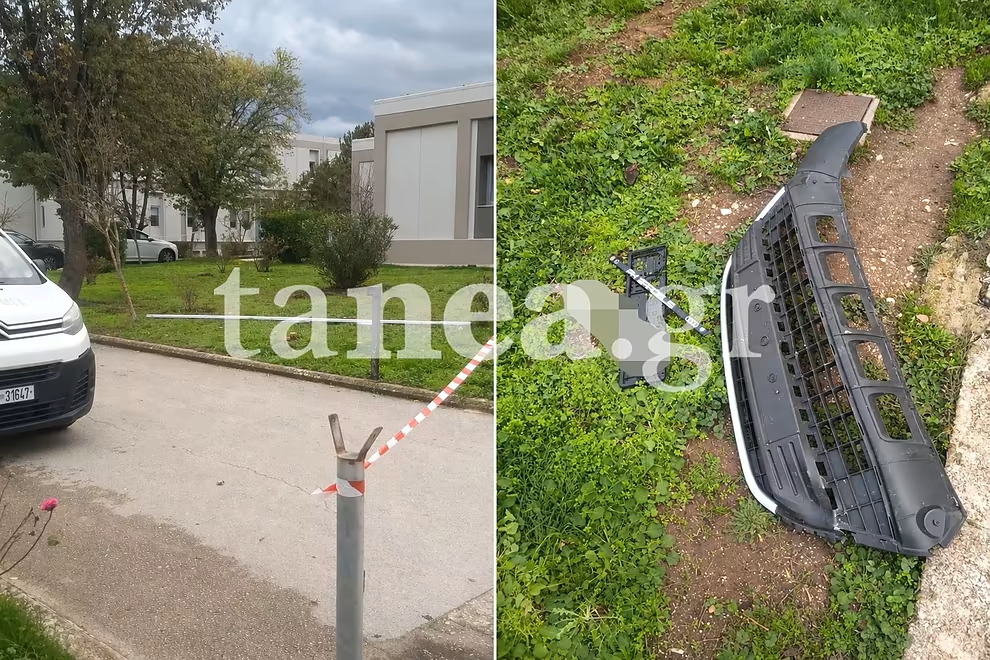
Subsequent inquiries linked the vehicle to the theft of 51,000 euros in cash and approximately 400 gold sovereigns from an elderly woman in Ioannina. Police identified the suspected driver and arrested the woman registered as the vehicle’s owner in west Athens on Wednesday evening. She had visited a police station to report the vehicle stolen, but authorities described the complaint as fabricated.
The two suspects face charges including participation in a criminal organization, attempted homicide, disobedience, violence against public officials, dangerous driving, causing bodily harm and property damage, depending on their alleged involvement. Investigations are continuing to identify other members of the group and examine possible links to additional cases.
The case reflects a wider pattern of organized fraud targeting older people across Greece. Criminal groups typically operate through networks of callers, coordinators and couriers, with perpetrators impersonating electricity network technicians, accountants, bank employees or public officials. They invent emergencies, such as electrical faults and risks of electrocution, or claim that victims face outstanding tax obligations, fines or threats to their property. Victims are then persuaded to gather cash, gold coins and jewelry and leave them outside their homes or hand them directly to designated collectors.
Some networks reportedly contact dozens or even hundreds of potential victims daily, while others use artificial intelligence to imitate familiar voices and make their claims more convincing.
Several major networks have been eradicated over the past year, with investigations across the country uncovering hundreds of alleged fraud cases and proceeds worth millions of euros. The operations have highlighted the increasingly structured nature of these groups and their ability to operate across different regions.
The legal framework has also been tightened and introduced tougher penalties for aggravated conventional and computer fraud. Professional fraud committed by individuals acting together who exploit a victim’s vulnerability because of age or mental condition, or deliberately create fear and insecurity, can carry up to eight years in prison and a financial penalty. Where the total damage exceeds 120,000 euros, the sentence can reach 10 years.
Meanwhile, Citizen Protection Minister Michalis Chrysochoidis has announced plans for a National Anti-Fraud Center to coordinate the work of police, cybersecurity authorities, banks, telecommunications providers and the Financial Intelligence Unit. The proposed mechanism aims to improve information-sharing, accelerate the identification of criminal networks and facilitate faster intervention against telephone and online fraud.