 Μake us preferred on Google
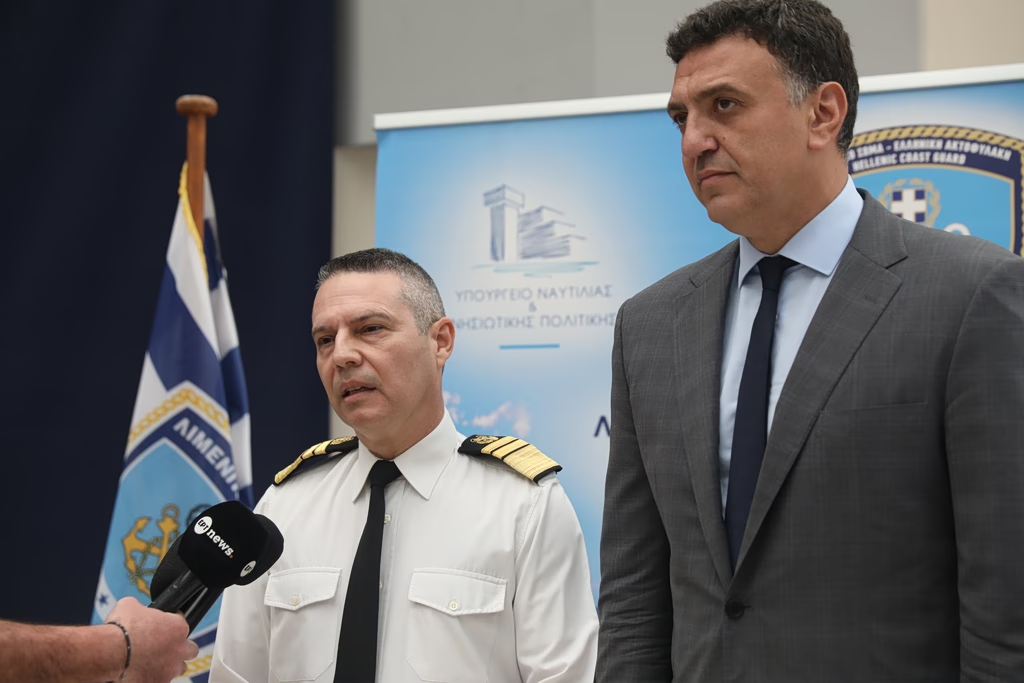
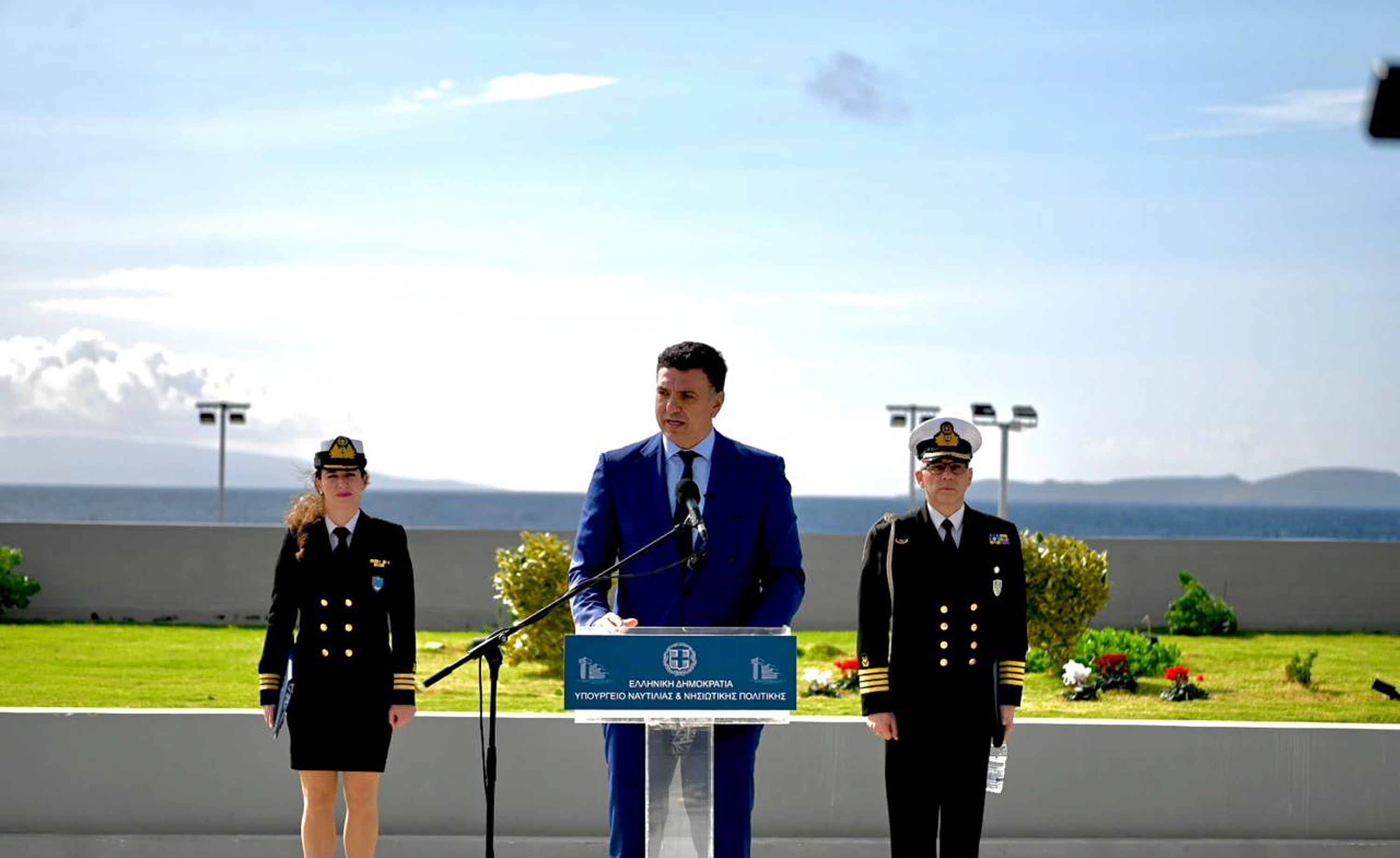
Greece plans to invest €500 million in port infrastructure and approximately €670 million in ferry connections serving less commercially viable routes by 2030, Shipping and Island Policy Minister Vassilis Kikilias announced.
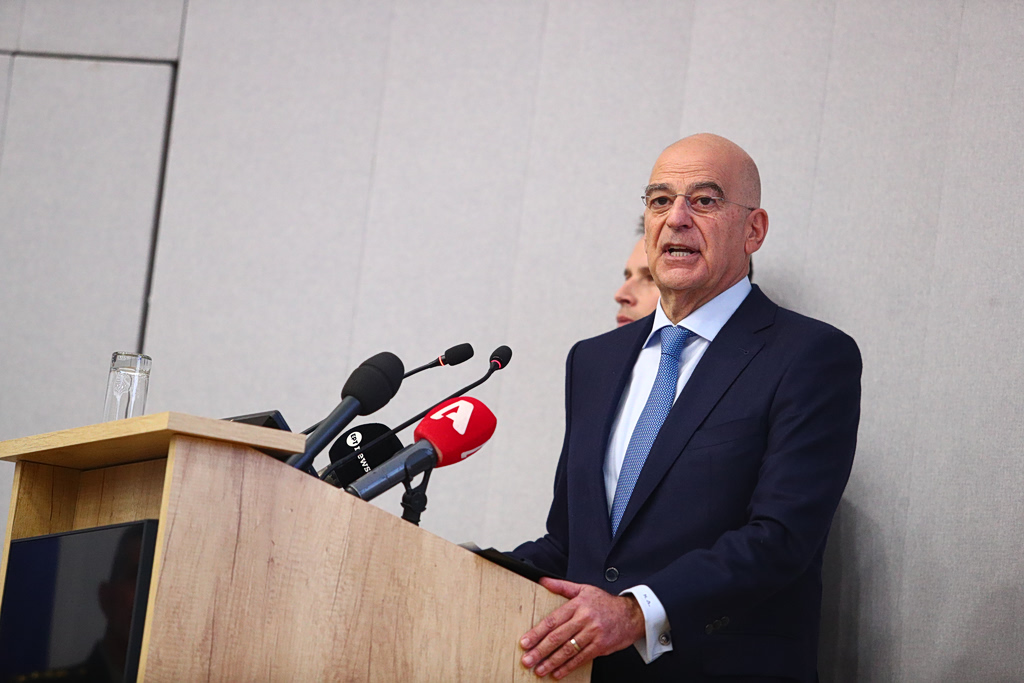
Speaking at the 2nd Euro-Mediterranean Economic and Business Forum, Kikilias highlighted the country’s maritime sector as a source of economic growth and employment, emphasizing its potential for younger generations and the revival of Greek shipyards.
The forum was co-organized by the Piraeus Chamber of Commerce and Industry, the Association of Mediterranean Chambers of Commerce and Industry (ASCAME), the Barcelona Chamber of Commerce and the European Institute of the Mediterranean (IEMed).
Kikilias said Greece’s maritime tradition had historically shaped its economy and culture through trade, shipping and exchanges with other countries.
“Today, however, the future for our children is once again at sea,” he said, pointing to opportunities in shipbuilding, energy, shipping and related professions. He said these sectors offer young people well-paid careers, professional and social recognition, and strong prospects.
Maritime sector offers opportunities beyond shipping
Kikilias stressed that the maritime economy extends far beyond traditional seafaring professions such as captains and marine engineers.
He described a broad ecosystem that includes floating storage and regasification units (FSRUs), commercial shipping routes, ports, marinas, recreational boating and tourism. He noted that approximately 80% of global trade is transported by sea.
Greece’s ports and maritime infrastructure, he said, give the country considerable economic potential. Piraeus alone is home to more than 1,800 companies, both large and small, including shipping businesses and other firms connected to the sector.
He also highlighted the growing opportunities in Greece’s shipbuilding industry, saying that expertise that had once been a major part of the country’s industrial capabilities was now being revived.
€670 million for ferry connections to remote islands
Kikilias said the planned €500 million investment in port infrastructure would be complemented by approximately €670 million through 2030 for ferry services on so-called barren lines.
In Greece, the term refers to ferry routes that are not commercially viable enough to operate without state support, but are necessary to maintain connections between the mainland and more remote islands.
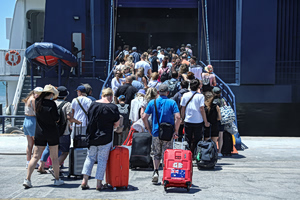
He emphasized the importance of reliable ferry links for island communities and the country’s tourism industry, which depends heavily on connections between the mainland and the islands.
Greece’s large number of islands, he said, represents a significant advantage, but also makes maritime connectivity essential.
Kikilias calls for stronger Mediterranean cooperation
Concluding his remarks, the minister called for closer cooperation among Mediterranean countries to make better use of their shared economic and development opportunities.
He described the region as a crossroads of three continents and a focal point for economic development, while acknowledging that it is also frequently affected by tensions, problems and wars.
“I believe that if we cooperate, we will have enormous opportunities,” Kikilias said. “It is obvious that we must work together.”