 Μake us preferred on Google
The family collection of Panagiota (Panina) Karpida-Razou was formally handed over to the Greek state at a special ceremony in the Altar Hall of the National Archaeological Museum, attended by Culture Minister Lina Mendoni.
The collection came into the possession of the donor’s father, Konstantinos Karpidas, in 1987 as a gift from the collector Alexandros Iolas. In 1989, a Culture Ministry decision transferred it to Karpida-Razou.
The donation covers the period from the Early Cycladic era to Roman times. Twenty of the ancient objects will join the permanent collections of the National Archaeological Museum. The earliest pieces include a schematic marble figurine of Early Cycladic I type (3200–2800 BC), two marble bowls and two marble figurines from Early Cycladic II (2800–2300 BC), and a schematic marble human figurine from the Early Bronze Age II (2800–2300 BC).
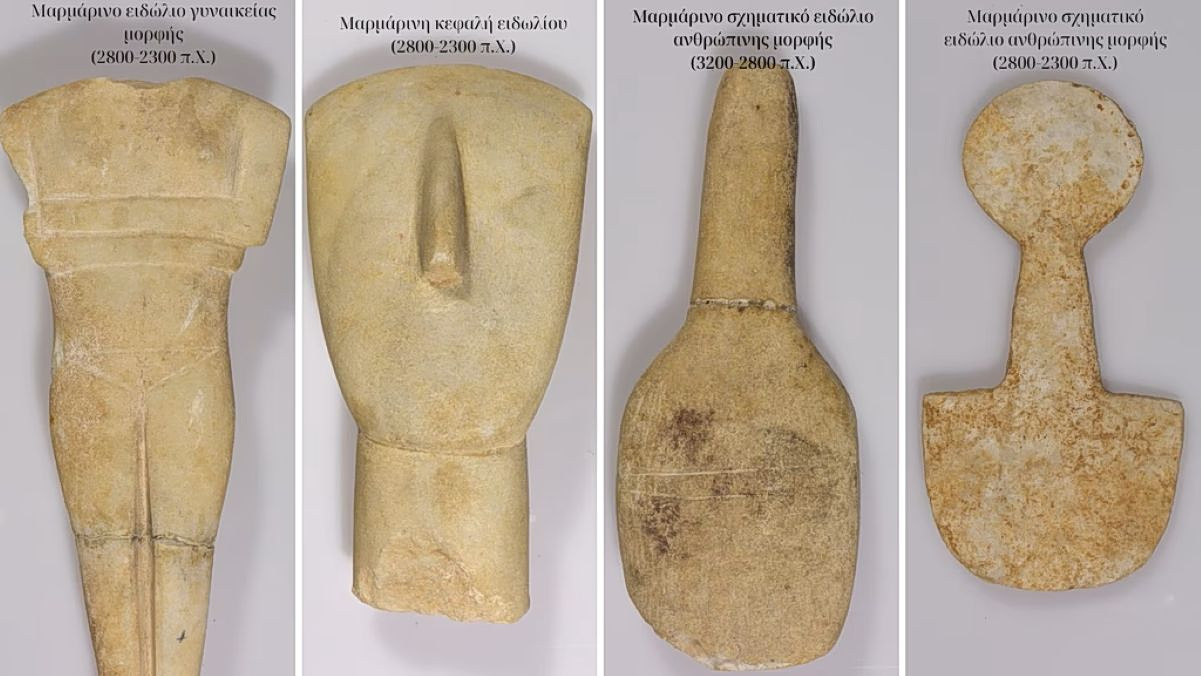
Marble figurines
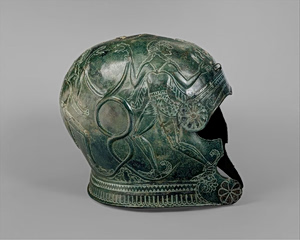
Later items include bronze jewelry from the Geometric and Archaic periods (9th–7th century BC) and a bronze omphalos phiale dating from the Archaic to Classical era (7th–4th century BC). From the Classical period come two terracotta female busts from a Boeotian workshop (late 5th–early 4th century BC) and two gilded terracotta plaques with relief griffins (4th century BC). The Roman period (1st century BC–1st century AD) is represented by a bronze helmet and a bronze figurine of Hermes.
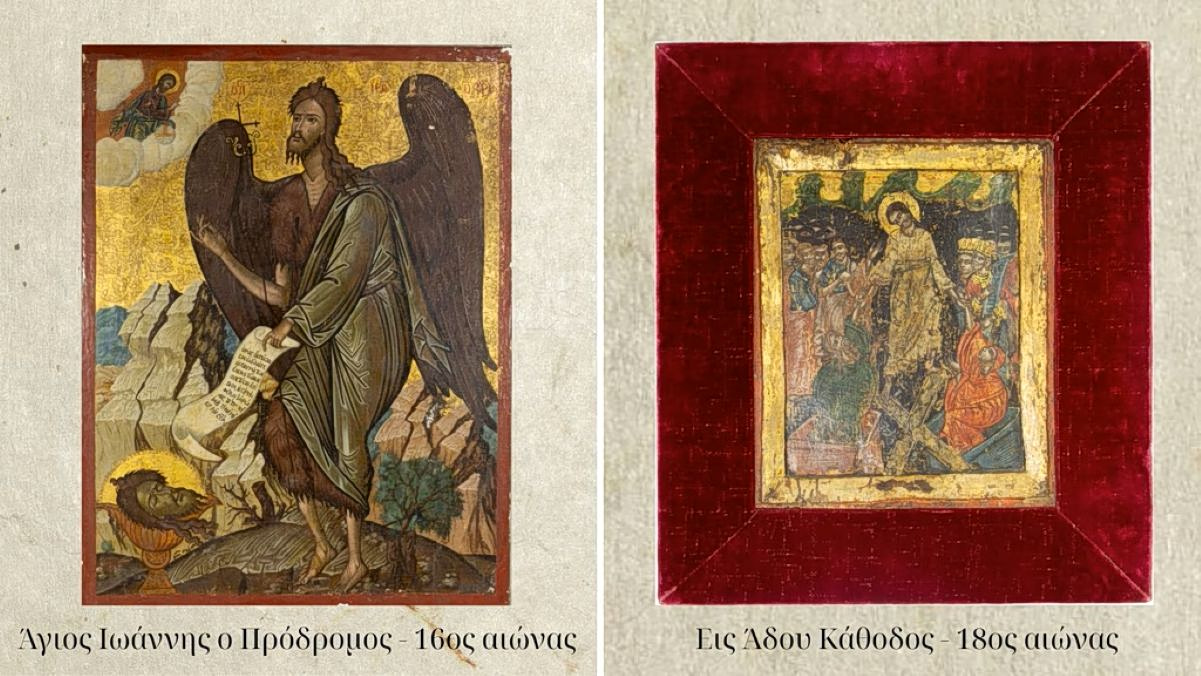
Post-Byzantine icons
Two post-Byzantine icons will go to the Byzantine and Christian Museum. One is a 16th-century icon of St. John the Baptist, and the other is an 18th-century icon of the Descent into Hades.
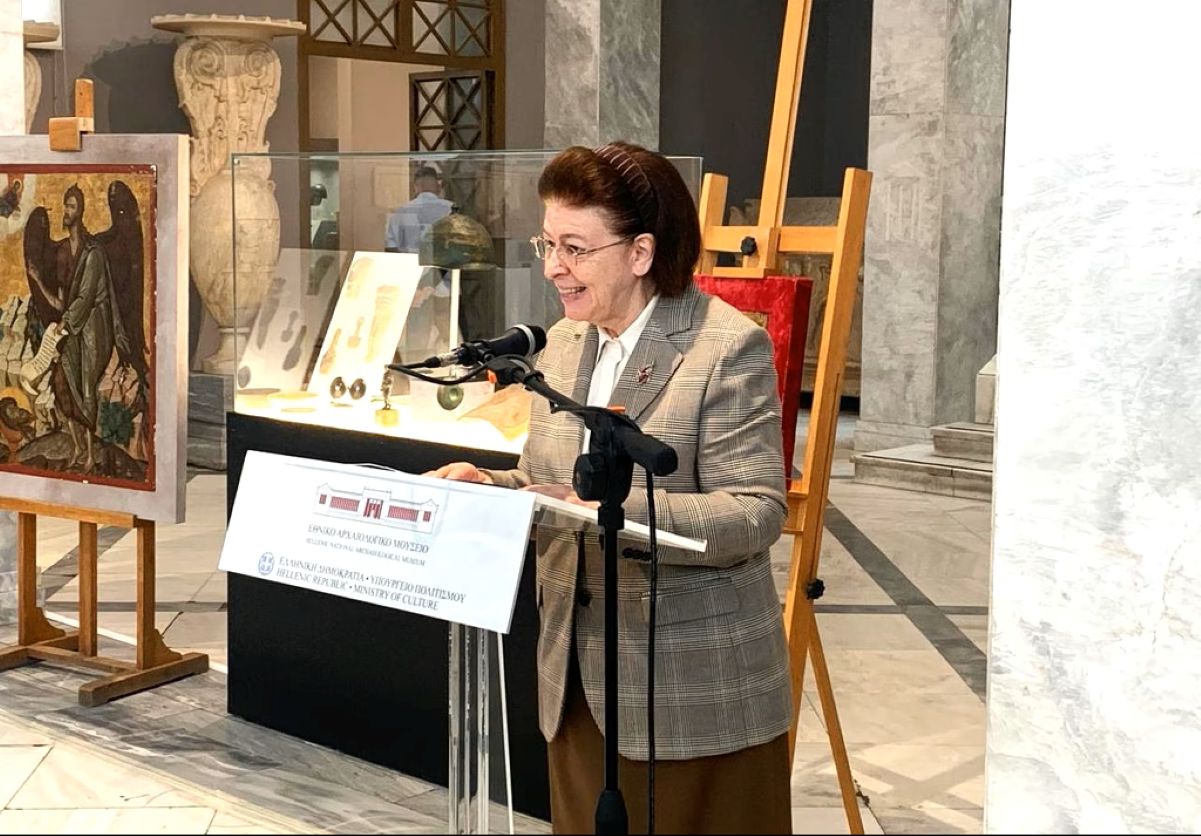
Speaking at the ceremony, Mendoni called the donation “a particularly significant act of generosity” that shows how private initiative can help protect and promote the country’s cultural heritage. She said Karpida-Razou’s decision to give the collection “allows these precious witnesses of our history to be accessible to all.”