 Μake us preferred on Google
Basements in a large government building on Vasilissis Sofias Avenue in central Athens flooded about a month ago, prompting an evacuation and a discreet investigation by specialists from the National Technical University of Athens (NTUA). The incident has raised questions about whether construction work on the city’s new Metro Line 4 may be affecting underground water levels.
Employees were instructed to shut down their computers and leave the building, which houses public-sector services. That same evening, NTUA experts reportedly arrived to investigate the cause of the flooding, leaving after 2 a.m.
When staff returned the following morning, they found that the elevators had been taken out of service. One or two remain inoperable.
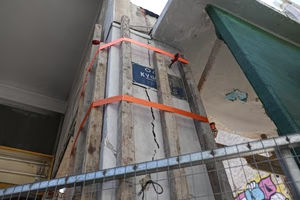
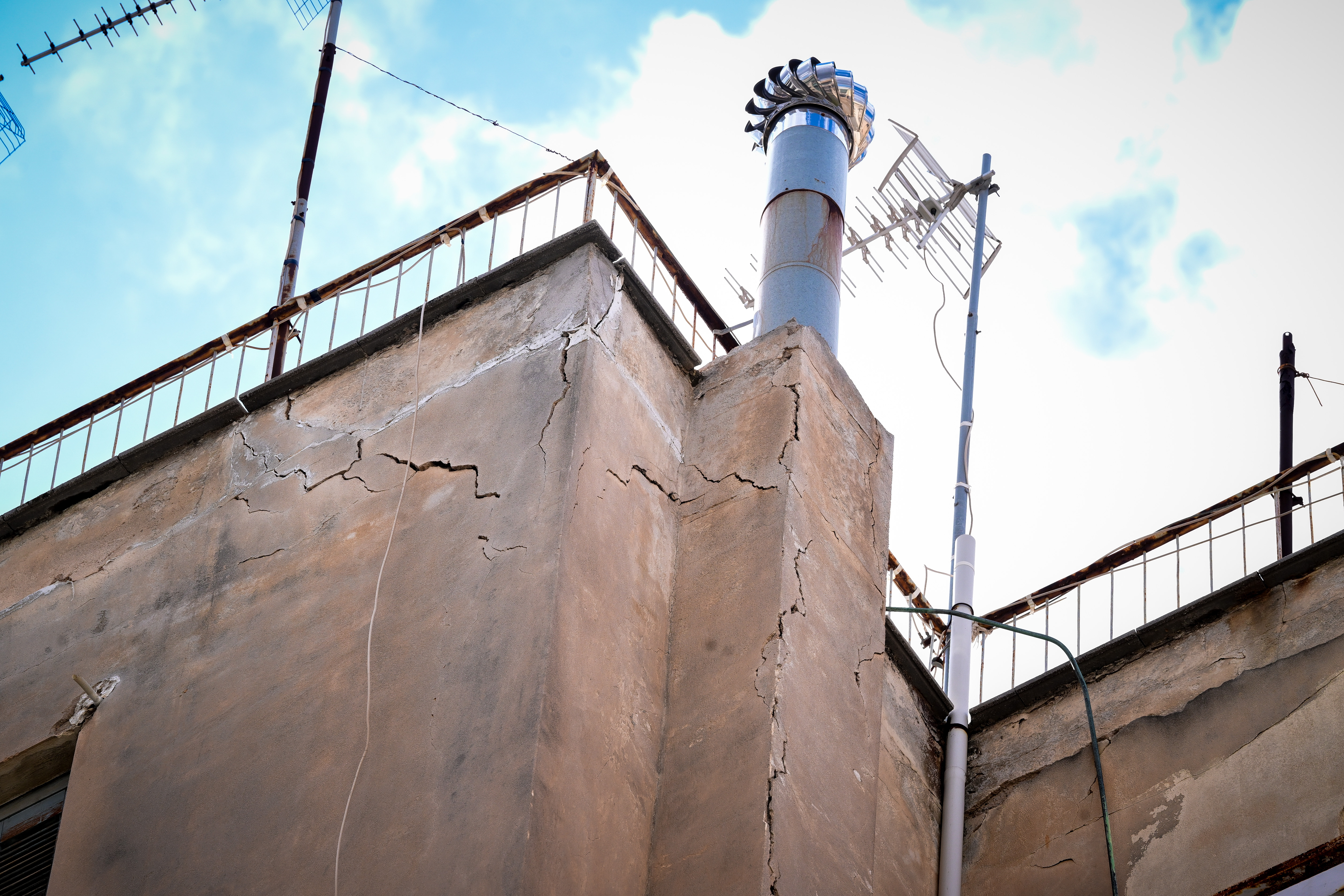
Images show damage to homes in Kypseli caused by construction work on Athens Metro Line 4, following a lack of safety measures, Tuesday, September 29, 2026. (Tatiana Bollari / EUROKINISSI)
One explanation under consideration is that the flooding may be linked to changes in the groundwater table caused by construction work near Evangelismos station, part of Metro Line 4. The tunnel-boring machine reached the area in February after beginning its route from a shaft at the intersection of Katechaki and Mesogeion avenues.
Groundwater changes under scrutiny
Concerns about the potential effects of the metro works have also followed a road subsidence incident near Evangelismos earlier this year. A hole opened in the sidewalk at the intersection of Vasileos Georgiou and Iofontos streets, pulling down a streetlight pole in what was described as a “chimney effect.”
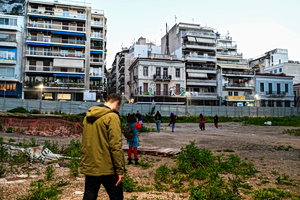
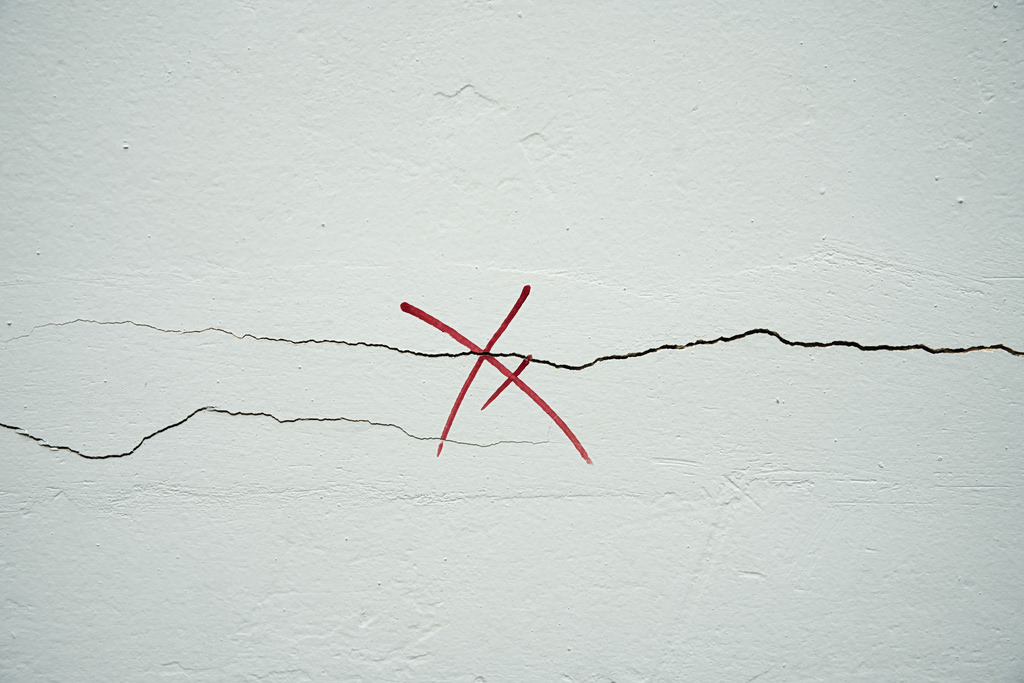
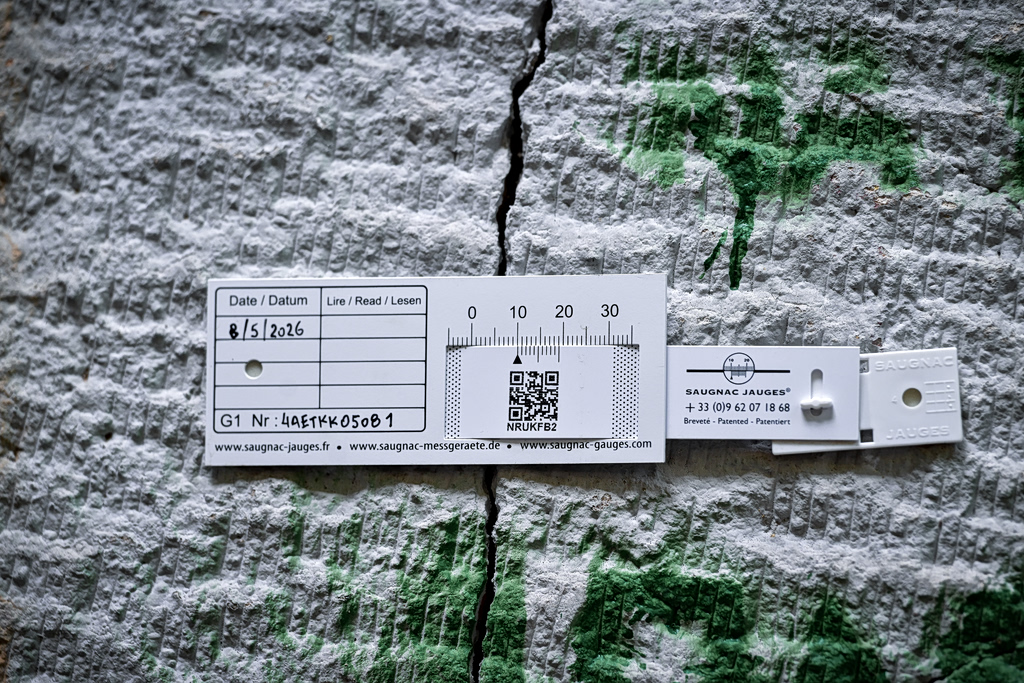
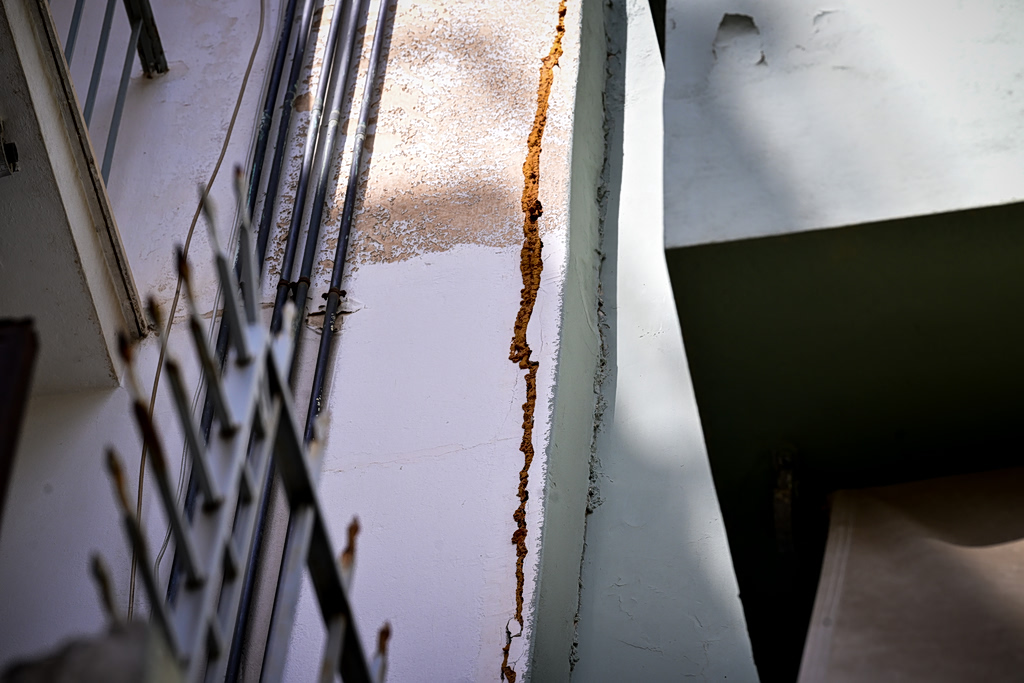
In Kypseli, a neighborhood where Line 4 construction has prompted complaints from residents, buildings have developed cracks and experienced subsidence. Basements in five apartment buildings have also flooded, raising concerns among residents about the possible consequences of the works.
“We had never encountered a phenomenon like this before,” said Christos Rokas, a representative of the Kypseli Residents’ Initiative. He said experts investigating the incidents believe the flooding may be connected to changes in the groundwater table caused by metro construction.
Experts have warned that construction could potentially disrupt the wider hydrogeological balance, meaning similar problems cannot be ruled out in other areas where metro works are underway.
Images show damage to homes in Kypseli caused by construction work on Athens Metro Line 4, following a lack of safety measures, Tuesday, September 29, 2026. (Tatiana Bollari / EUROKINISSI)
Panagiotis Karydis, an emeritus professor at NTUA, said the possibility that tunnel excavation could affect groundwater levels cannot be excluded. The issue depends on several factors, including excavation depth, soil characteristics and the depth of nearby buildings’ foundations.
Soft ground is particularly vulnerable to construction-related effects, Karydis explained. Vibrations and impacts from a tunnel-boring machine can deform the soil and cause subsidence that reaches the surface. The extent of any impact depends partly on the relationship between the excavation depth and the groundwater level, as well as local underground conditions.
During tunneling, soil is temporarily removed before the permanent concrete lining is installed. This interval can affect soil behavior and the movement of underground water, Karydis said, making it important to minimize the time between excavation and installation of the lining.
He also pointed to the risks posed by unfavorable combinations of geological conditions, such as excavating rock beneath loose, soft deposits.
Such processes may alter the distribution of water within soil pores, allowing water to move toward neighboring zones with different characteristics and larger gaps. Whether this can affect groundwater levels or contribute to basement flooding and subsidence depends on the specific geological and hydrogeological conditions in each area.
Engineers assess damage in Kypseli
Engineering teams representing residents, the Technical Chamber of Greece and the consortium carrying out the metro works on behalf of Elliniko Metro have been conducting inspections around the clock in Kypseli in recent days.
They are examining damaged buildings and preparing initial proposals for repairs. Early information indicates that some of the damage identified is extremely serious, supporting concerns raised in reports by experts appointed by residents.
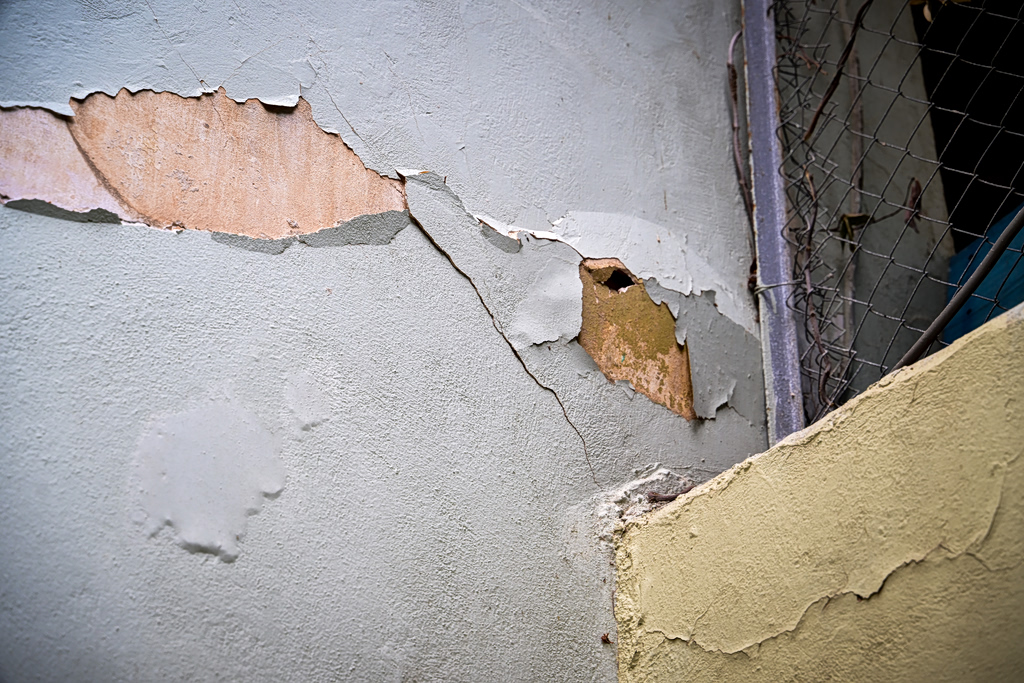
Images show damage to homes in Kypseli caused by construction work on Athens Metro Line 4, following a lack of safety measures, Tuesday, September 29, 2026. (Tatiana Bollari / EUROKINISSI)
Heavy rain has added to those concerns, with water entering already damaged buildings and potentially worsening existing problems.
At one apartment building on Kypselis Street, rainwater entered the fifth floor through a crack in the roof. Other buildings have developed gaps where they meet neighboring structures.
Residents fear that water infiltration and accumulated moisture could cause further deterioration and lead to additional damage in the coming weeks.
“We are afraid that we will begin to see other unusual and worrying phenomena in the coming period,” Rokas said.
Residents are calling for repairs to be accelerated. They are also seeking four outstanding documents from Elliniko Metro concerning geotechnical studies for the tunnel excavation in the area.
The documents are being sought ahead of a court hearing on interim measures scheduled for December 9. Residents met with Parliament Speaker Nikitas Kaklamanis on Monday to discuss the issue.
However, the final studies by the Technical Chamber of Greece are not expected to be delivered to residents before the end of the year.