 Μake us preferred on Google
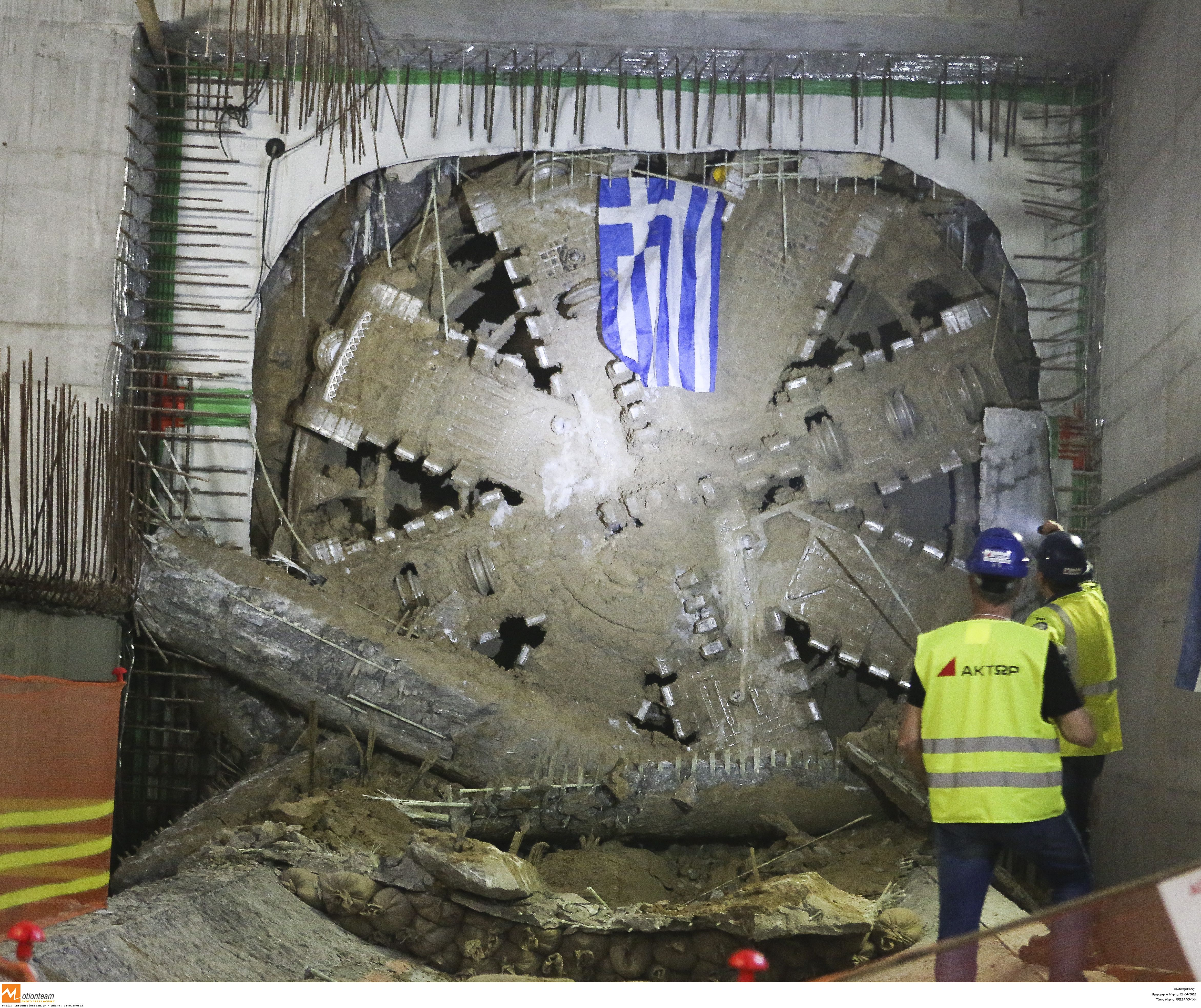
The tunnel boring machine building Athens Metro Line 4 is not expected to resume operations until early 2027, Deputy Infrastructure and Transport Minister Nikos Tachiaos said Tuesday, citing ongoing technical procedures and safety assessments.
Speaking at the Green Deal Greece 2026 conference, organized by the Technical Chamber of Greece in cooperation with economix.gr, Tachiaos said every effort was being made to ensure that construction could continue safely.
He said no objective evidence had so far emerged to justify evacuating buildings along the route. The project would proceed in accordance with the findings of the relevant inspections, he added, noting that both the construction consortium’s proposal and assessments by Elliniko Metro, the state company responsible for metro projects, pointed to the possibility of safely continuing the work.
Tachiaos also accused some people of trying to politicize the issue, saying that “some have been affected.”
View this post on Instagram
Athens Metro extensions under consideration
The conference discussion at the Stavros Niarchos Foundation Cultural Center also covered future fixed-rail expansions in Athens and Thessaloniki, as well as measures to ease traffic congestion in the wider Attica region.
Christos Fafoutis, CEO of Elliniko Metro, said the priority for Athens was extending Metro Line 2 to Ilion, a project involving a four-kilometer route and three new stations.
Environmental approvals have been completed, he said, with a cost-benefit analysis next in order to identify the necessary funding.
Two alternative routes are also being examined for a future metro extension to Glyfada.
As for Line 4, Fafoutis ruled out any change to its existing alignment. Technical reports prepared by experts are being evaluated, while studies are underway for restoration work and additional interventions.
Thessaloniki metro plans to focus on residential areas
Tachiaos said future expansions of the Thessaloniki Metro should reflect the city’s actual transportation needs, with particular attention to densely populated and growing areas such as Evosmos.
An extension toward the airport is not an immediate priority and will be considered at a later stage, he said.
Fafoutis reported that following the integration of the Kalamaria extension into the network, average daily ridership was estimated at 126,800 boardings. Passenger traffic in October increased by 17.8% compared with September.
Tram upgrades and infrastructure improvements
Fafoutis also outlined planned upgrades to Athens’ tram infrastructure. These include expanding the tram depot to accommodate 22 vehicles, modernizing electromechanical systems and creating facilities to inspect and maintain rolling stock.
On road infrastructure, Infrastructure Secretary General Dimitrios Anagnopoulos said upgrading the Metamorfosi interchange could reduce traffic congestion in the area by as much as 50%, significantly improving travel conditions.
He also highlighted the proposed Elefsina–Oinofyta highway, which would allow traffic to bypass Athens, reducing congestion and environmental impacts.
Anagnopoulos said major infrastructure projects should be designed with long-term resilience and future public needs in mind. Given their high cost, he stressed the importance of carefully assessing and prioritizing investments based on their benefits for everyday life and wider social and economic development.