 Μake us preferred on Google
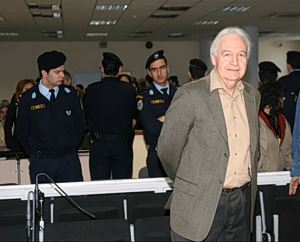
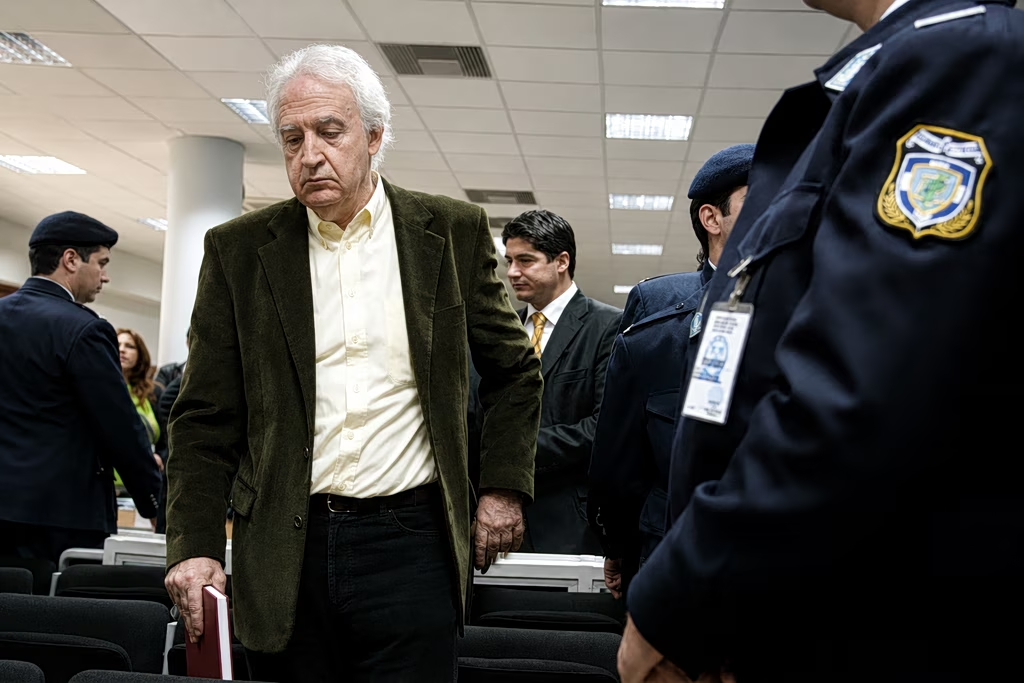
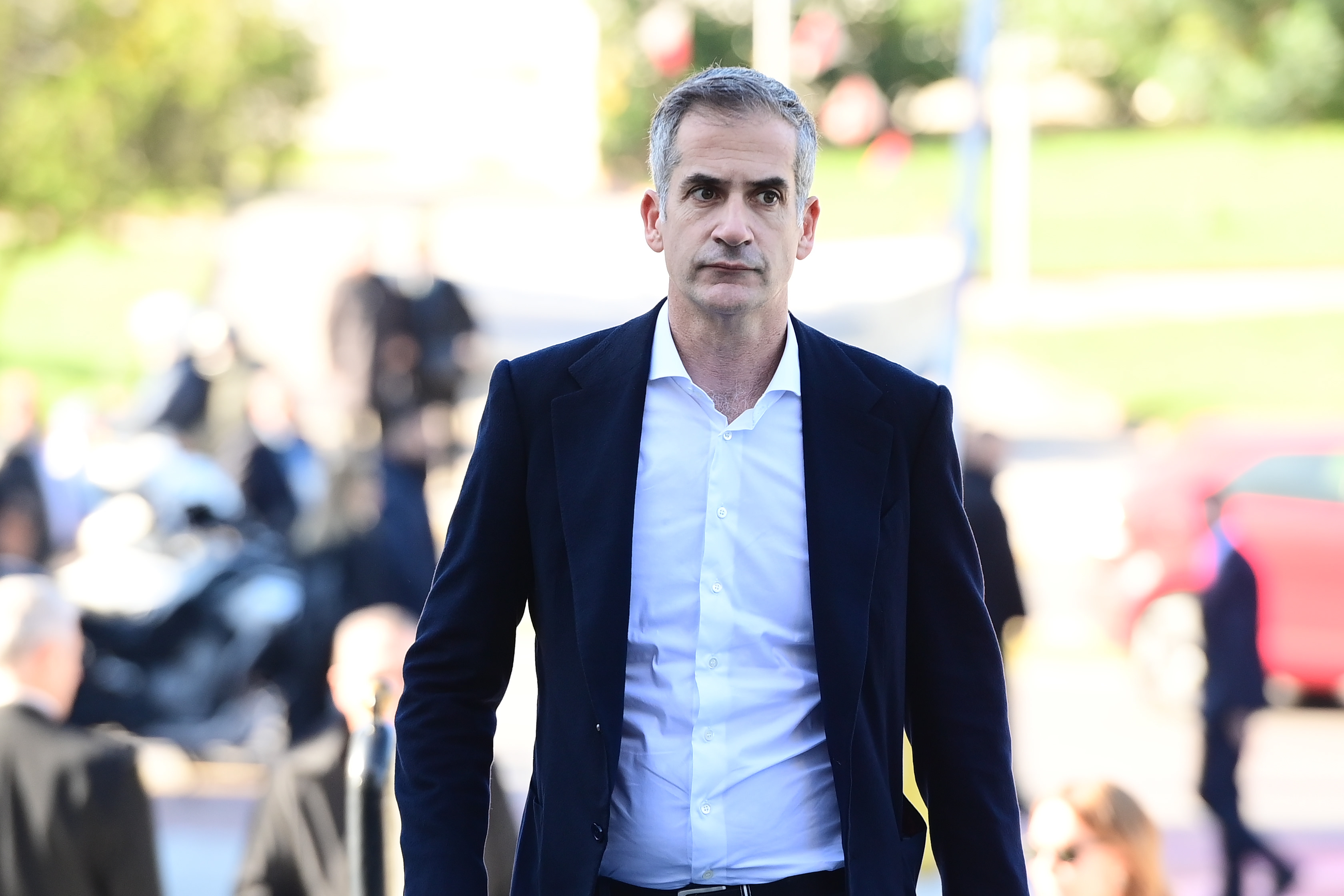
 Former Athens Mayor Kostas Bakoyannis criticized the release of convicted November 17 terrorist Alexandros Giotopoulos, saying the case raises difficult questions about justice, public safety and how Greece confronts the legacy of political violence.
Speaking to Mega TV on Saturday morning, Bakoyannis described waking up to news reports about Giotopoulos’ release and wondering how he would react if he encountered him in public. “I woke up and was looking at the news sites and thinking, if I run into him on the street, what will I do?” Bakoyannis said. “And if our children see him, what will we do?”
Bakoyannis was 11 years old when his father, politician and journalist Pavlos Bakoyannis, was assassinated by members of the terrorist organization 17 November in September 1989 outside his office in Athens.
November 17, which was dismantled in the early 2000s, carried out a series of assassinations and attacks over nearly three decades, targeting Greek politicians, foreign diplomats, businessmen and security officials. Giotopoulos was a founding member and was considered the ringleader.
Bakoyannis said he later reconsidered his initial emotional reaction, noting that many other people connected to the attacks may not be able to speak publicly about their feelings. “We have a system that we need to revisit,” he said. “He was sentenced to 17 life terms, but served one and a half years for each murder. Do we consider that justice? It’s beyond me.”
Asked how he explains the case to his children, Bakoyannis said the conversation was difficult. “Yesterday my son called me and asked,” he said. “The answer is difficult. I want my children to feel safe and to feel loved. Whatever I answer them, I answer through that prism.”
Bakoyannis also urged politicians to exercise restraint when discussing justice and public tragedies.
“We who are involved in politics need to be careful about what we say regarding justice,” he said. “Politics may be the art of the possible, but it also demands empathy and the ability to put ourselves in other people’s shoes.”
He added that while deaths are often politicized in public debate, “in cemeteries we are all equal.”
During the same interview, Bakoyannis was asked about a recent television documentary on November 17 that included an interview with convicted member Dimitris Koufontinas. “I couldn’t bear it, and I never want to watch the November 17 documentary in my life,” he said.