 Μake us preferred on Google
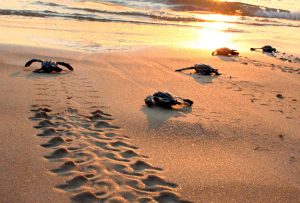
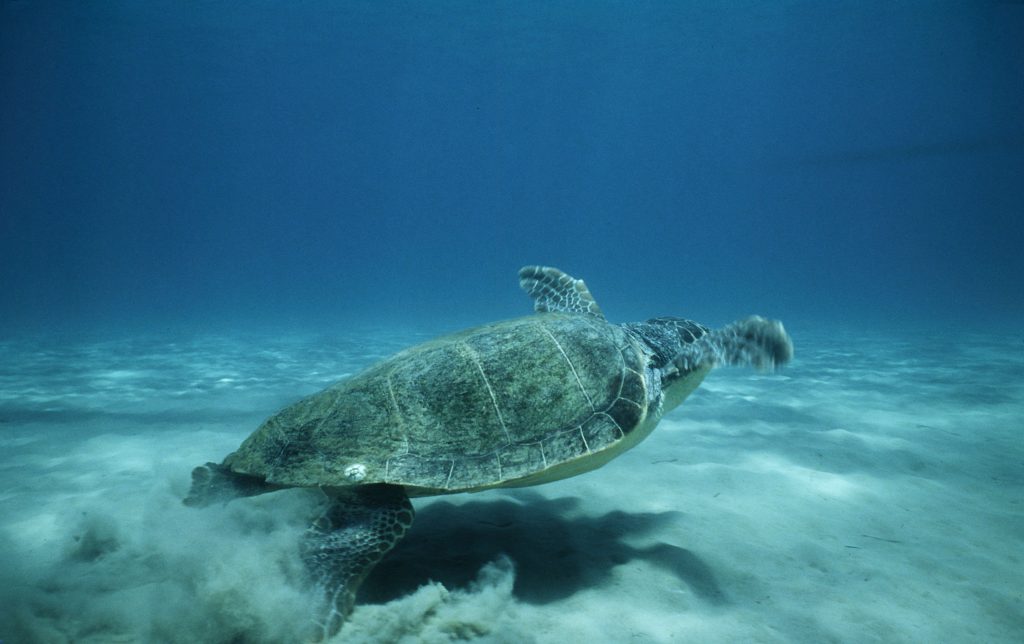
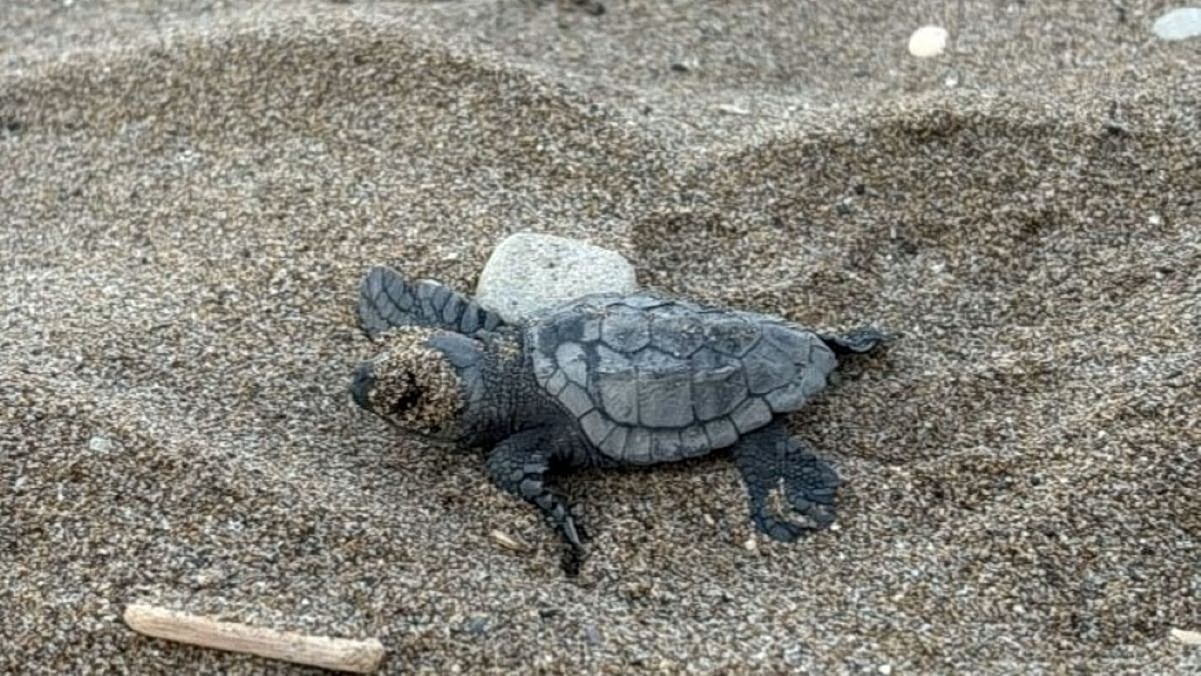
 The first loggerhead sea turtle (Caretta caretta) hatchlings of the season have begun emerging on Greek beaches, reaffirming Greece‘s position as the Mediterranean’s most important nesting ground for the endangered species.
According to ARCHELON, the Sea Turtle Protection Society of Greece, the first nest to hatch this year was recorded on Dafni Beach in Zakynthos’ Laganas Bay, one of the country’s most significant nesting sites. Volunteers monitoring nearly 100 kilometers of coastline spotted the tiny hatchlings’ tracks in the early hours of Tuesday, July 14, and immediately alerted the local management unit of the Hellenic Natural Environment and Climate Change Agency (N.E.C.C.A.), allowing protective measures to be put in place.
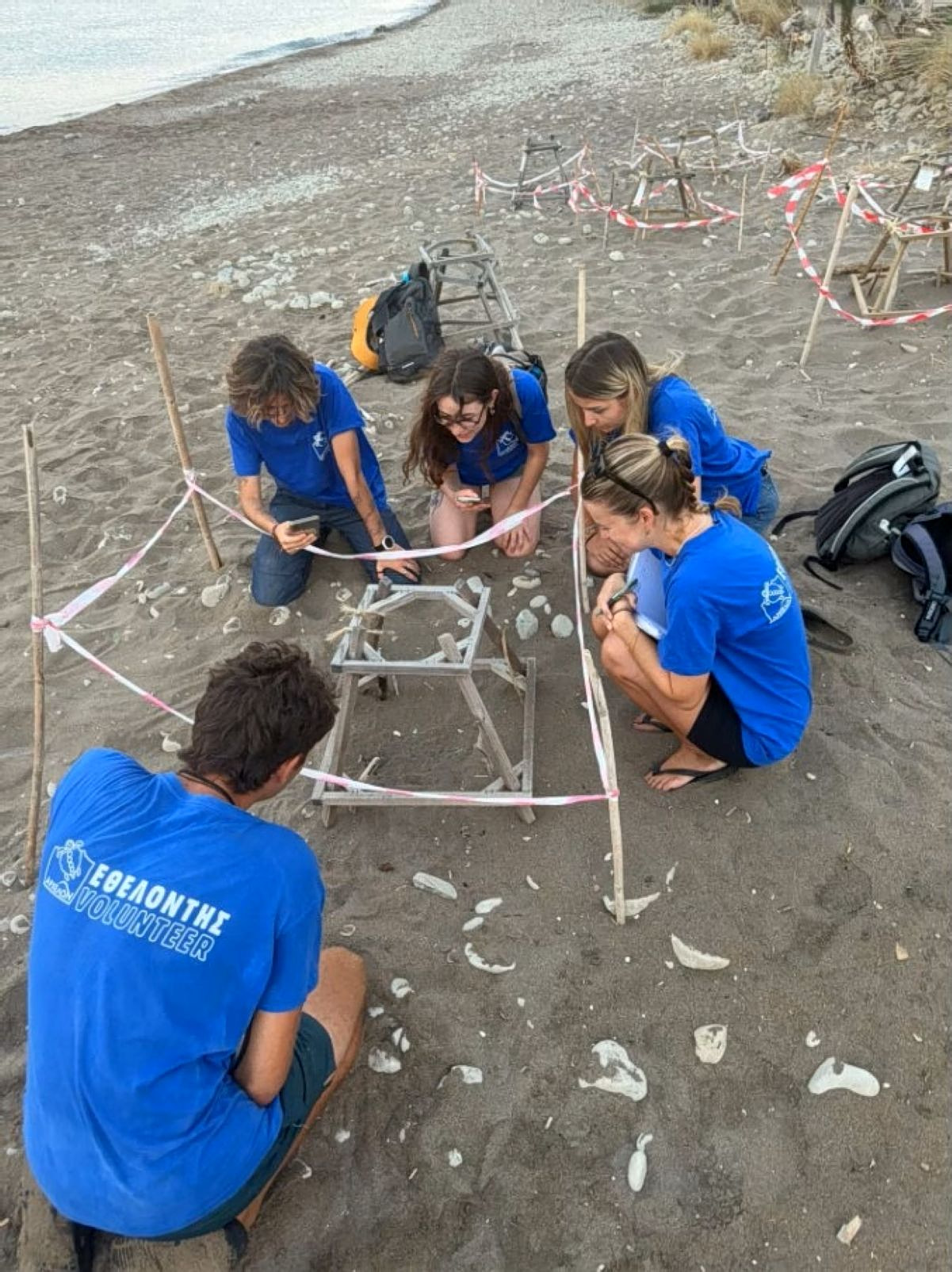
Over the coming weeks, thousands of hatchlings will embark on the most perilous journey of their lives, making their way from their nests to the sea. To safeguard them during this critical period, ARCHELON conducts daily patrols across major nesting beaches, including Laganas Bay, Kyparissia Bay, Koroni, the Lakonian Gulf, Rethymno, Chania and Messara Bay in Crete.
Source: ACHELON
Special attention is being given to beaches affected by significant light pollution, particularly in Rethymno, Chania and the Lakonian Gulf. Protective shading is installed around nests to prevent hatchlings from becoming disoriented by artificial lighting, which can lure them away from the sea.
Advice for Beachgoers
ARCHELON is urging visitors to nesting beaches—and to coastal areas where isolated nests may also be found—to take extra care during the hatching season, as the young turtles are especially vulnerable.
Visitors are advised to avoid nesting beaches at night, when most hatchlings emerge, to reduce the risk of accidentally stepping on them. Artificial lights should be switched off, as hatchlings instinctively move toward the brightest horizon and can easily become disoriented.
If you encounter hatchlings, do not touch them or carry them into the sea, as they must reach the water on their own. Flash photography should also be avoided because it can interfere with their orientation. If necessary, provide shade using your body or a towel to protect them from the sun, and remove any obstacles or animals blocking their path so they can safely reach the water.
Source: ACHELON